

Car insurance generally follows the vehicle, meaning that coverage is tied to the specific car rather than the driver. However, there are important nuances to consider, such as who is driving the car and the type of policy in place. Understanding these distinctions is crucial for both vehicle owners and drivers, as it can significantly impact financial responsibilities in the event of an accident. This article will clarify how car insurance works in relation to the insured person and the vehicle, offering insights into policy structures and best practices.
Understanding Car Insurance Basics
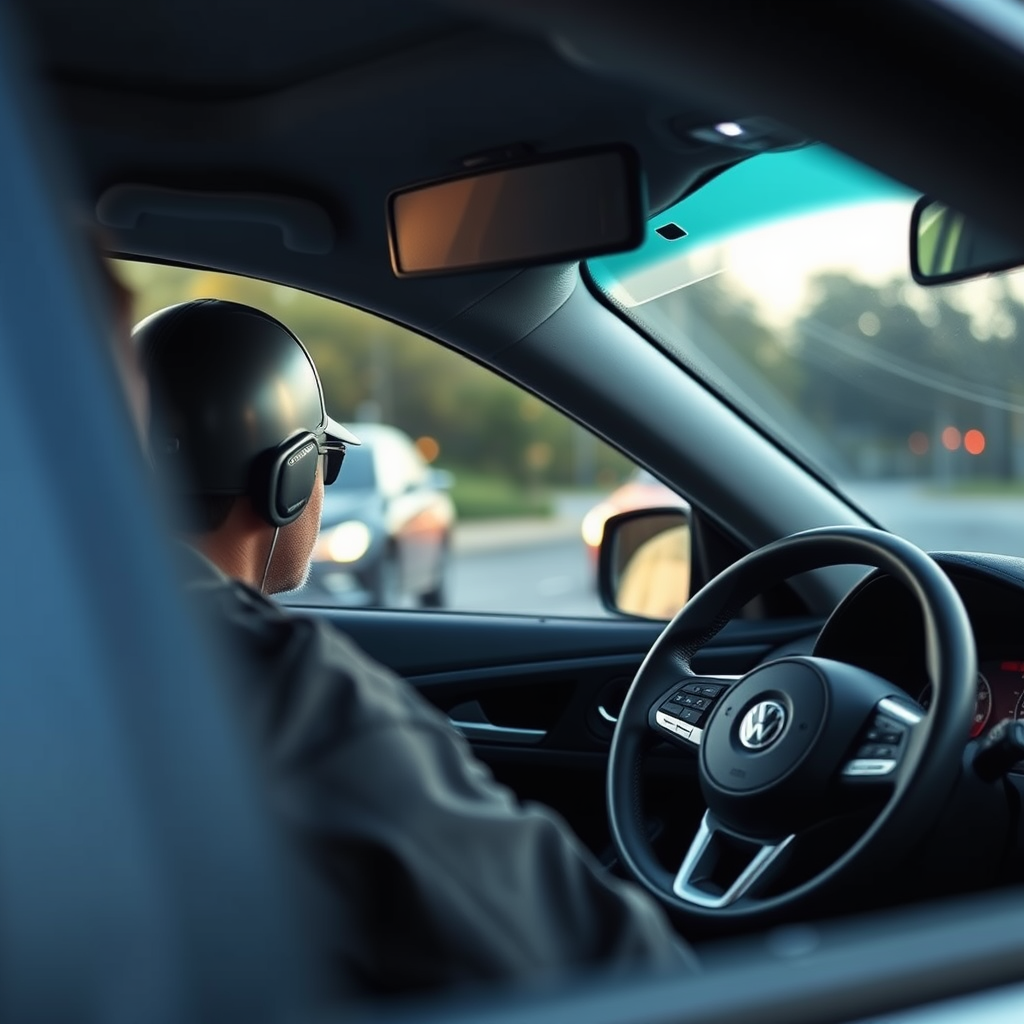
Car insurance is designed to protect against financial loss due to accidents, theft, and various liabilities that may arise from vehicle ownership. It serves as a safety net, ensuring that individuals are not financially crippled by unexpected incidents on the road. Policies can differ significantly based on the types of coverage included, which typically encompass liability, collision, and comprehensive insurance.
Liability coverage is essential, as it protects you from claims resulting from accidents for which you are deemed legally responsible. Collision coverage pays for damages to your vehicle resulting from a collision with another car or object, while comprehensive coverage addresses non-collision-related incidents, such as theft, vandalism, or natural disasters. Understanding these coverage types is pivotal in choosing the right policy, as they influence both premium costs and the extent of protection provided.
The Vehicle as the Insured Entity
Most standard car insurance policies provide coverage for the vehicle listed on the policy, regardless of who is driving it. This means that if a friend or family member has permission to drive the insured vehicle, they are typically covered under the policy. For example, if you lend your car to a neighbor who gets into an accident while driving, your insurance would generally cover the damages, assuming that your policy allows for permissive use.
However, it’s important to note that the specifics can vary based on the insurance provider and the policy terms. Some policies may include restrictions on who can drive the vehicle, emphasizing the need for policyholders to be aware of who is covered under their insurance. For instance, if your policy specifically states that only named drivers are covered, then allowing an unlisted driver to operate your vehicle could result in denied claims.
When Insurance Follows the Person
While most car insurance policies primarily cover the vehicle, there are instances where insurance follows the person. Some policies include permissive use clauses, which allow other drivers to use the vehicle under certain conditions without voiding the policy. This can provide flexibility for vehicle owners who frequently lend their cars to family or friends.
Additionally, there is an option for individuals who do not own a car but still wish to have liability coverage while driving. Non-owner car insurance is available for these drivers, offering personal liability coverage in the event of an accident. This type of policy is particularly beneficial for those who frequently rent cars or borrow vehicles, as it provides essential protection without the need to own a car.
Impact of Named Drivers
Many insurance policies allow for named drivers, which can significantly affect premiums and coverage. Named drivers are individuals specifically listed on the policy who are permitted to operate the insured vehicle. Often, premiums are adjusted based on the driving histories of these named individuals; for instance, adding a driver with a clean record may lower rates, while including a driver with a history of accidents could increase costs.
If a named driver gets into an accident while driving the insured vehicle, the insurance typically covers the damages, provided that all policy conditions are met. This coverage can offer peace of mind for vehicle owners, knowing that designated drivers are protected under the same policy.
However, it’s vital to ensure that all named drivers are responsible and maintain good driving practices. Regularly reviewing and updating the list of named drivers can help avoid complications in case of an accident.
Exclusions and Limitations
Every car insurance policy comes with exclusions and limitations that can affect coverage in certain scenarios. Most policies have specific exclusions, such as driving without permission, using the vehicle for commercial purposes, or being under the influence of drugs or alcohol at the time of an accident. Understanding these exclusions is crucial to avoid unexpected financial burdens.
For example, if a friend borrows your car without your knowledge and gets into an accident, your insurance may refuse to cover the damages if it can be proven that they did not have your permission to use the vehicle. Similarly, if you use your personal car for business purposes without notifying your insurer, you may not be covered in the event of an accident. It is essential for policyholders to be aware of these limitations and to communicate openly with their insurance providers about their specific needs and situations.
The Importance of Policy Terms
Each insurance company has its own terms and conditions, which can vary widely between policies. Reviewing these terms is essential to understand your coverage fully. Factors such as state laws, the specific insurer’s policies, and your personal driving history can all influence how insurance applies.
For instance, some states have minimum coverage requirements, while others allow for more flexible terms. Being aware of these regulations can help you select a policy that not only meets legal requirements but also aligns with your personal circumstances. It’s advisable to ask your insurance agent detailed questions about any ambiguities in the policy to ensure complete understanding.
Making Informed Decisions
When it comes to car insurance, being informed is key. Always consult with an insurance agent to clarify coverage specifics and explore the various options available to you. Assessing your driving habits and needs can significantly influence your choice of coverage. For example, if you frequently lend your vehicle to friends or family, you might consider a policy that offers robust permissive use coverage.
Additionally, it’s wise to periodically review your policy, especially after significant life changes, such as moving to a new state, buying a new vehicle, or adding named drivers. Regular check-ins with your insurance provider can help you maintain the right level of coverage that suits your evolving circumstances.
Understanding whether car insurance follows the person or the vehicle is crucial for drivers and vehicle owners alike. The key takeaway is that car insurance primarily follows the vehicle, but nuances exist that can affect coverage. By being aware of how your policy operates and considering factors such as named drivers, exclusions, and types of coverage, you can make informed decisions that best protect you and your assets. For peace of mind, review your policy and consult with your insurance provider to ensure you have the right protection in place.
Frequently Asked Questions
Does car insurance follow the person or the vehicle when driving someone else’s car?
Car insurance typically follows the vehicle, meaning that the car’s insurance policy will cover any damages or liabilities in the event of an accident. However, if you’re driving someone else’s car with their permission and you are involved in an accident, their insurance is generally primary. Your personal insurance may provide secondary coverage, depending on the terms of your policy.
What happens to my car insurance if I lend my car to a friend?
If you lend your car to a friend and they get into an accident, your insurance policy will usually cover the damages, assuming your friend has permission to drive your vehicle. However, this could lead to an increase in your premium if a claim is filed. It’s important to check with your insurance provider regarding their policy on permissive use to avoid any surprises.
Why is it important to know if car insurance follows the person or the vehicle?
Understanding whether car insurance follows the person or the vehicle is crucial for liability and coverage reasons. Knowing this can help you determine who is financially responsible in the event of an accident and can guide you in making informed decisions about lending your car or borrowing someone else’s. It can also affect your own insurance premiums if claims are made under your policy.
How can I ensure I am covered when driving a rental car?
To ensure you are covered when driving a rental car, check the terms of your personal auto insurance policy, as many policies extend coverage to rental vehicles. Additionally, you can purchase insurance directly from the rental agency, which typically provides liability and collision coverage. It’s advisable to review both options to determine which offers the best protection for your needs.
Which type of car insurance provides the best coverage for borrowed vehicles?
The best type of car insurance for borrowed vehicles is one that includes comprehensive and collision coverage as part of your policy. This can provide extensive protection against damages to the borrowed car and any liabilities incurred while driving it. Additionally, policies that offer “permissive use” clauses are beneficial, as they outline coverage for drivers who operate your vehicle with your consent.
References
- 404 – Page not found | III
- https://www.nolo.com/legal-encyclopedia/car-insurance-follows-person-vehicle-29980.html
- ConsumerReports.org – Page not found error – Consumer Reports
- https://www.insurance.wa.gov/auto-insurance-coverage-when-driving-someone-elses-car
- https://www.ncdoi.gov/Consumer/Auto/AutoInsuranceFAQs.aspx
- https://www.nerdwallet.com/article/insurance/auto-insurance-coverage-types
- https://www.forbes.com/advisor/insurance/car-insurance-coverage-explained/
- https://www.dmv.ca.gov/portal/handbook/driverhandbook/vehicleinsurance.html