

Many car insurance policies do cover damage caused by snow, but the extent of coverage can vary based on the type of policy you have. It is crucial for policyholders to understand what their specific insurance agreements entail, as some may only provide limited protection. In this article, we will explore the types of damages typically covered by car insurance in snowy conditions, the process for filing a claim, and important considerations to keep in mind while driving in winter weather.
Understanding Your Policy Types
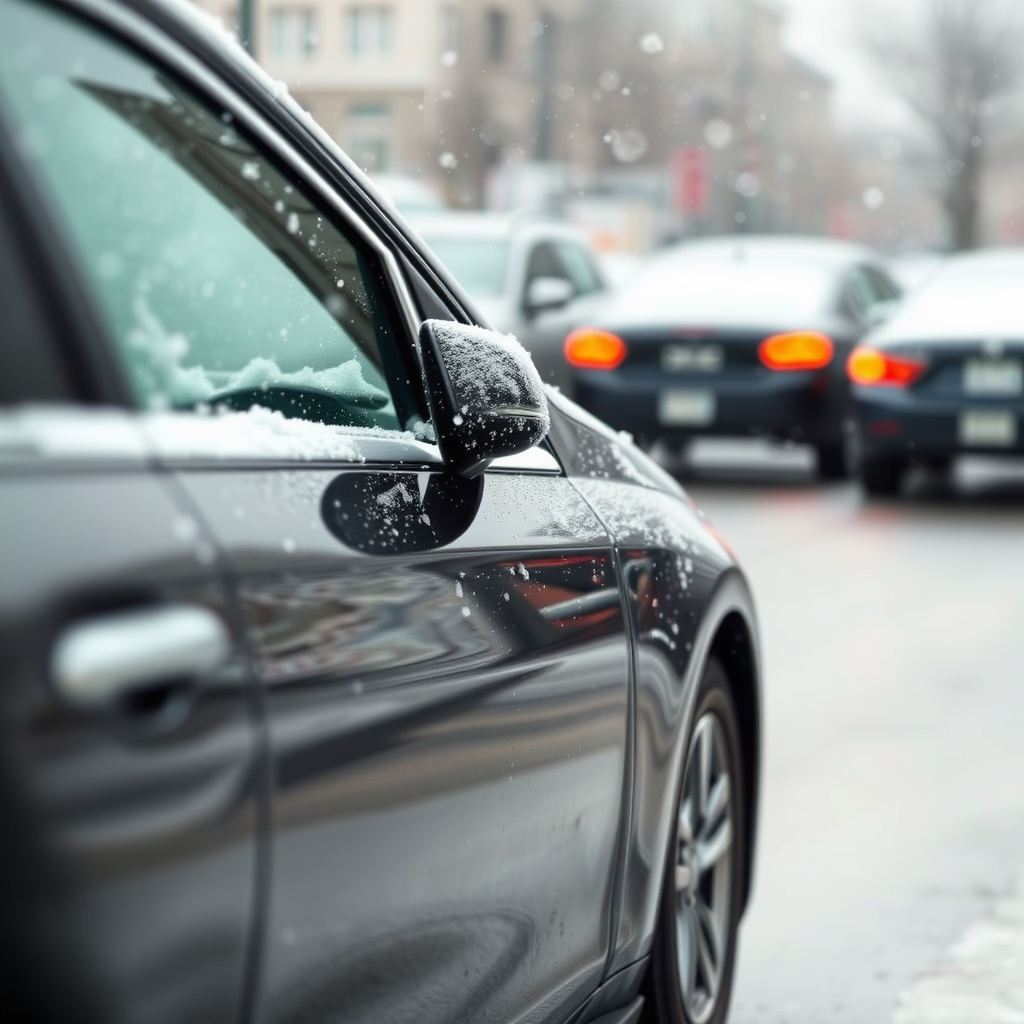
When it comes to car insurance, understanding the different types of policies available is essential for adequate coverage during snowy conditions.
– Liability Coverage: This type of coverage is primarily designed to protect you against claims made by third parties if you are found to be at fault in an accident. Liability coverage does not extend to damage to your own vehicle, including any that may arise from snow-related incidents. Therefore, if your vehicle incurs damage due to snow or ice, liability insurance will not cover the costs.
– Comprehensive Coverage: Comprehensive coverage is typically the type of insurance that includes protection against damages from a variety of non-collision events. This can include natural disasters, theft, vandalism, and yes, even snow-related damages. If your vehicle sustains damage due to heavy snow accumulation, ice storms, or falling branches, comprehensive coverage is likely to cover the repairs after deductibles are applied. It is advisable for vehicle owners in snowy regions to consider this type of coverage to mitigate financial risks associated with winter weather.
Common Types of Snow Damage
Snow and ice can lead to a variety of damages that may impact your vehicle. Understanding these risks can help you assess your insurance needs more effectively.
– Roof Collapse: In severe cases, heavy snowfall can accumulate on the roof of a parked vehicle, potentially leading to structural issues. If the weight of the snow causes the roof of your car to cave in, it can result in significant repair costs. Many comprehensive policies will cover these types of damages, but it’s essential to check if there are any specific exclusions in your policy regarding snow accumulation.
– Ice Damage: Ice can create hazardous conditions that lead to falling branches or other debris striking your vehicle. For instance, if icy conditions cause a tree branch to break and fall on your parked car, the resulting damage may be covered under your comprehensive insurance. As with roof collapse, reviewing your specific policy details is critical to ascertain whether such incidents are included in your coverage.
Filing a Claim for Snow Damage
If you experience snow-related damage to your vehicle, knowing how to file a claim effectively can streamline the process and help you get back on the road sooner.
– Gather Evidence: Before contacting your insurance company, document the damage thoroughly. Take clear photographs of the affected areas of your vehicle from multiple angles. Additionally, note the weather conditions at the time of the incident. This information will be vital when substantiating your claim.
– Contact Your Insurer: Once you have gathered all necessary evidence, reach out to your insurance provider promptly to report the claim. Be prepared to provide detailed information about the incident, including the time, location, and nature of the damage. Timely reporting can facilitate a quicker response from your insurer.
Factors That Impact Coverage
Several elements can influence the coverage you receive for snow-related damages, and being aware of these can help you make informed decisions.
– Location: The geographical area in which you live can significantly impact your insurance coverage. Some insurers may have specific exclusions for regions that experience frequent heavy snowfall or ice storms. It is important to inquire about these conditions when purchasing or renewing your policy.
– Policy Limits: Every insurance policy comes with a set deductible and coverage limits. Understanding these limits is crucial when filing a claim for snow damage. For example, if your policy has a high deductible, you may find that the cost of repairs is not entirely covered after the deductible is applied. Reviewing your policy and discussing any concerns with your insurance agent can help clarify your coverage limits.
Preventative Measures for Snow Damage
Taking proactive steps can help minimize the risk of snow damage to your vehicle, ultimately saving you time and money.
– Parking Strategies: When possible, choose safe parking spots that are clear of overhanging branches or structures that could collapse under the weight of snow or ice. Parking in a garage or carport can provide added protection against the elements.
– Vehicle Maintenance: Regular maintenance checks can help prevent snow and ice-related damage. Ensure that your windshield wipers are in good condition, and consider using a snow cover to protect your windshield. Additionally, keep your vehicle’s battery and antifreeze levels in check, as cold temperatures can affect performance.
What to Do If You’re Denied a Claim
If your insurer denies a claim related to snow damage, it’s important not to panic. Instead, take the following steps.
– Review Your Policy: Carefully read through your insurance policy to understand the reasons for the denial. There may be clauses or conditions you were previously unaware of. This can help identify if there was a misunderstanding or miscommunication regarding the coverage.
– Appeal Process: If you still believe your claim should be covered, familiarize yourself with the appeal process provided by your insurance company. Document your case thoroughly, and include any evidence that supports your claim. Keep in mind that persistence and clear communication are key in navigating the appeals process.
The key takeaway is that while many car insurance policies will provide coverage for damage caused by snow, it’s essential to know your specific policy details. Understanding the types of coverage, how to file a claim, and preventative measures can help you protect your vehicle better. If you suspect your coverage may not include snow damage, review your policy or consult with your insurance agent to ensure you’re adequately protected. Being informed can make all the difference when winter weather impacts your vehicle.
Frequently Asked Questions
Does standard car insurance cover damage from snow and ice?
Yes, standard car insurance can cover damage from snow and ice, but it depends on the type of coverage you have. Comprehensive insurance typically covers damage caused by severe weather conditions, including snow and ice. If your vehicle is damaged due to falling branches or collisions caused by icy roads, your comprehensive or collision coverage may apply, so it’s essential to review your policy details.
What types of car insurance cover snow damage?
To be adequately protected against snow damage, you should consider comprehensive and collision coverage. Comprehensive coverage protects against non-collision events, such as damage from snow or ice, while collision coverage handles damages resulting from accidents, including those that occur on icy roads. Always check your policy to ensure you have the necessary coverage for winter hazards.
How can I file a claim for snow damage on my car?
To file a claim for snow damage on your car, start by documenting the damage with photos and notes. Contact your insurance provider to report the incident and provide them with the necessary information, including your policy number and details about how the damage occurred. They will guide you through the claims process, which may involve an inspection of your vehicle.
Why is it important to have comprehensive coverage for winter weather?
Having comprehensive coverage is crucial for winter weather because it protects your vehicle from various non-collision-related damages, such as those caused by heavy snow, ice, or falling debris. Without this coverage, you may face significant out-of-pocket expenses for repairs if your car is damaged during winter storms. It ensures peace of mind knowing that you’re protected against the unpredictable nature of winter conditions.
Which factors affect car insurance premiums in snowy regions?
Several factors can influence car insurance premiums in snowy regions, including the frequency of winter storms, the average snowfall, and accident rates in the area. Insurers may also consider your driving history and the type of vehicle you own, as some cars are more susceptible to winter damage than others. It’s beneficial to shop around for quotes and understand how these factors impact your insurance rates in snowy climates.
References
- https://www.nolo.com/legal-encyclopedia/car-insurance-coverage-during-winter-weather-29796.html
- 404 – Page not found | III
- https://www.insurance.wa.gov/auto-insurance-coverage-winter-weather
- ConsumerReports.org – Page not found error – Consumer Reports
- https://www.economist.com/finance-and-economics/2021/02/18/how-winter-weather-affects-car-insurance
- https://www.thebalance.com/winter-car-insurance-coverage-5070988
- https://www.forbes.com/advisor/auto/car-insurance-winter-weather-coverage/