
Car insurance typically covers damage caused by lightning strikes under comprehensive coverage. This means if your vehicle is struck by lightning and sustains damage, your policy may help pay for repairs. However, the extent of this coverage can depend on various factors, including your specific insurance policy and the provider. In this article, we’ll explore how car insurance handles lightning damage, what you need to know about coverage types, and steps to take if you find yourself in this unfortunate situation.
Understanding Comprehensive Coverage
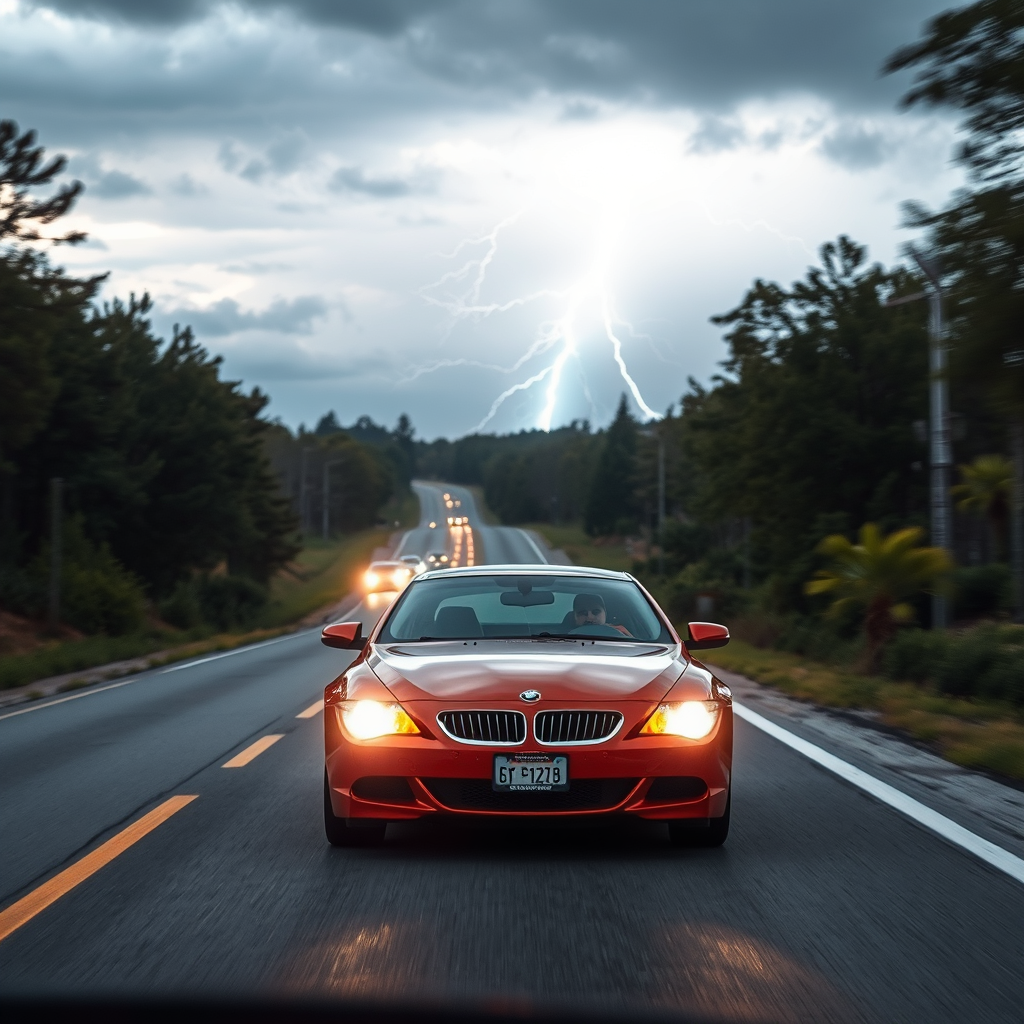
Comprehensive coverage is an essential component of car insurance that protects against a wide range of non-collision-related incidents. This includes damages caused by natural disasters, theft, vandalism, and even animal strikes. Lightning strikes fall into this category, meaning that if your car is damaged by a lightning strike, comprehensive coverage can help cover the costs associated with repairs.
It’s important to note that comprehensive coverage is typically optional. While many drivers choose to include it in their policies for added protection, others may forgo this coverage to save on premiums. If you live in an area prone to severe weather, including thunderstorms, having comprehensive coverage may be a wise decision. Always check your insurance policy documents and speak with your insurance agent to ensure that you have comprehensive coverage included in your policy.
What Happens When Lightning Strikes Your Car?
When lightning strikes a car, the effects can be both severe and multifaceted. A direct hit can cause extensive electrical damage to the vehicle’s systems, potentially frying the onboard computer, disabling the engine, and damaging other electrical components. Moreover, the intense heat generated by a lightning strike can lead to physical damage, such as burns on the exterior or even a fire that may compromise the vehicle’s structure.
In many instances, the damage from a lightning strike is significant enough to necessitate major repairs. This could range from replacing electrical systems to, in more severe cases, declaring the vehicle a total loss. The cost of repairs can quickly escalate, making comprehensive coverage even more critical for financial protection.
Filing a Claim for Lightning Damage
If your vehicle is damaged by lightning, the first step is to document the damage thoroughly. Take clear photos from multiple angles, capturing any visible scorch marks, melted components, or other signs of damage. Additionally, gather any relevant information about the incident, such as the time, location, and weather conditions. This documentation will be invaluable when filing your insurance claim.
Once you have documented the damage, contact your insurance company promptly to report the claim. This process typically involves providing them with the information you’ve gathered and describing the incident in detail. It’s crucial to understand the next steps, as insurers may require specific forms or additional documentation. Be prepared for the possibility of a claims adjuster inspecting your vehicle to assess the damage firsthand.
Common Misconceptions About Lightning Coverage
There is a prevalent belief that only specific circumstances are covered under car insurance when it comes to lightning damage. However, most comprehensive coverage plans generally include damage from lightning strikes. This misunderstanding can lead to confusion and potential financial strain if a claim is needed.
To avoid surprises, it’s advisable to clarify the specifics of your coverage with your insurer. Ask about the extent of your comprehensive coverage, any exclusions that may apply, and what steps you need to take if you suffer damage due to a lightning strike. Understanding these details will help you make informed decisions and ensure you’re adequately protected.
Factors Affecting Your Claim
When filing a claim for lightning damage, several factors will influence the outcome, including your deductible. The deductible is the amount you agree to pay out of pocket before your insurance coverage kicks in. For example, if your deductible is set at $500 and the repair costs amount to $3,000, you will be responsible for the first $500, and your insurance will cover the remaining $2,500.
Additionally, the overall cost of repairs and your vehicle’s current market value will significantly affect the claims process and potential payout. If the damage is extensive, your insurance company may deem the vehicle a total loss, which generally occurs when repair costs exceed a certain percentage of the car’s value. In such cases, understanding your car’s value and how it aligns with your policy will be crucial in determining the compensation you receive.
Tips for Preventing Lightning Damage
While it’s impossible to prevent lightning strikes entirely, there are steps you can take to minimize the risk of damage to your vehicle during storms. One of the most effective preventive measures is to park your car in a garage or under a sturdy structure when severe weather is forecasted. This can provide a physical barrier against the elements, including lightning.
Furthermore, it is advisable to avoid staying inside your vehicle during a lightning storm. While cars can provide some protection from lightning strikes, they are not completely safe. If possible, seek shelter in a nearby building until the storm passes. This not only protects you from potential injury but also helps to safeguard your vehicle from damage.
The specifics regarding lightning strike coverage can vary by policy and provider, so it’s essential to review your insurance documents and consult with your agent. Understanding your coverage can help you navigate potential claims more effectively.
Being informed about your car insurance coverage for lightning strikes prepares you for unexpected events. Regularly review your policy, consider additional coverage options if necessary, and stay safe during stormy weather. By taking these proactive steps, you can ensure that you are adequately protected against the potential risks posed by lightning strikes and other natural disasters.
Frequently Asked Questions
Does car insurance cover damage from lightning strikes?
Yes, car insurance can cover damage from lightning strikes, but it primarily depends on the type of policy you have. Comprehensive car insurance typically includes coverage for natural disasters, including lightning strikes that cause damage to your vehicle. If your car is struck by lightning and suffers electrical damage or fire, your comprehensive coverage should help pay for repairs or replacement, minus your deductible.
What should I do if my car gets struck by lightning?
If your car gets struck by lightning, the first step is to ensure your safety and that of any passengers. If you notice smoke, fire, or unusual electrical issues, pull over to a safe location and call emergency services if needed. After ensuring safety, document any damage for insurance purposes and contact your insurance provider to file a claim under your comprehensive coverage.
How can I tell if my car was damaged by lightning?
Signs of lightning damage to your vehicle can include melted or burnt electrical components, blown fuses, or malfunctioning electronics. Additionally, if your car shows signs of a fire or burns on the exterior, it could be indicative of a lightning strike. A thorough inspection by a qualified mechanic or technician can help identify any underlying issues caused by the lightning strike.
Which car insurance policies cover lightning strikes?
Comprehensive car insurance policies cover lightning strikes, as they are designed to protect against non-collision-related incidents. Basic liability coverage, however, does not cover damages from natural disasters like lightning. If you want to ensure your vehicle is protected against such events, it’s advisable to invest in a comprehensive policy that includes coverage for natural occurrences.
Why is it important to have comprehensive coverage for lightning damage?
Having comprehensive coverage for lightning damage is important because it safeguards you against unexpected and costly repairs resulting from natural events. Lightning strikes can cause significant electrical damage and fire risks, which can lead to expensive repair bills. Without comprehensive coverage, you would be responsible for these costs out of pocket, making it a smart choice for vehicle protection.
References
- https://www.autoinsurance.org/does-car-insurance-cover-lightning-strikes/
- 404 – Page not found | III
- https://www.nolo.com/legal-encyclopedia/what-does-car-insurance-cover-29631.html
- https://www.insure.com/car-insurance/does-car-insurance-cover-lightning.html
- https://www.forbes.com/advisor/car-insurance/lightning-strike-car-insurance-coverage/



