

If you’re considering using student loans to purchase a car, the straightforward answer is no; student loans are specifically intended for educational expenses. While it may be tempting to divert these funds for a vehicle purchase, doing so is not permissible and can lead to significant repercussions. Understanding the guidelines surrounding student loans, as well as exploring alternative financing options, can help you navigate this financial dilemma without jeopardizing your educational funding or future financial stability.
Understanding Student Loans
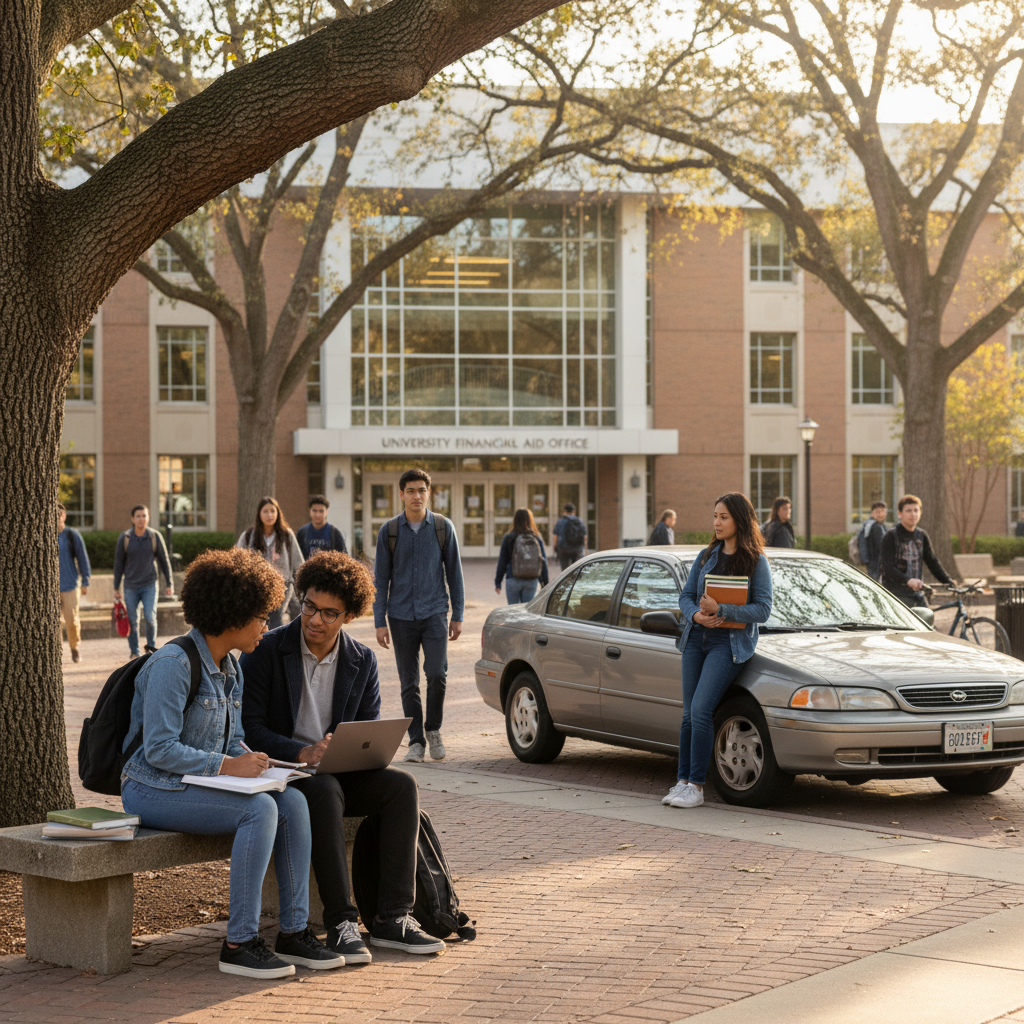
Student loans are financial instruments designed to support students in covering tuition, fees, room and board, books, and other education-related expenses. The federal government and private lenders offer these loans to ensure that students can access the education necessary to succeed in their future careers. According to the U.S. Department of Education, the primary uses of student loan funds are strictly limited to educational purposes, which means that any diversion of these funds to non-educational expenses, such as vehicle purchases, is considered misuse.
Additionally, federal regulations are clear about the appropriateness of student loan expenditures. Using student loan funds for non-educational purposes can lead to legal consequences, including the possibility of facing criminal charges for fraud. Therefore, it is vital for students to adhere to the intended use of their loans and maintain proper financial practices.
The Risks of Misusing Student Loans
The misallocation of student loan funds can result in serious penalties. If a student is found to have misused their loan money, they may face immediate repercussions, including penalties, such as having to repay the loan in full immediately. Furthermore, misusing student loans can jeopardize future eligibility for financial aid, making it more difficult to secure funding for education down the line.
Moreover, using student loans for a car can negatively impact your financial aid status. Many financial aid programs assess a student’s overall financial situation, including existing debts. If it appears that you are prioritizing a vehicle over your educational funding, it may raise red flags with your financial aid office and diminish your access to future aid or grants. Consequently, this decision can have long-reaching effects on your academic journey and financial health.
Alternative Financing Options
If you need to finance a vehicle while managing student loans, several alternative options can provide the necessary funds without compromising your educational financing. One viable alternative is to consider personal loans. Personal loans can be obtained from banks, credit unions, or online lenders and typically offer flexible terms that can accommodate your budget. The interest rates can vary based on your credit score, income, and repayment terms.
Another option is to explore auto loans specifically designed for car purchases. These loans often come with lower interest rates compared to personal loans, and many lenders provide competitive financing terms. If you have a good credit score, you may qualify for favorable rates, making them a more financially sound choice for purchasing a vehicle.
For those who may not qualify for traditional loans, there are also options like co-signing with a parent or guardian, which can improve your chances of securing a loan and potentially lower the interest rate. Additionally, some dealerships offer financing options that can be worth exploring, particularly if they have promotional rates.
Budgeting for a Car Purchase
Before committing to a car purchase, it is essential to create a comprehensive budget that accounts for all associated expenses. This includes not only the monthly car payment but also insurance, maintenance, fuel costs, and registration fees. Failing to consider these additional costs can lead to financial strain, especially for students who may already be managing tuition and living expenses.
Assessing your current financial situation is crucial in determining how much you can afford without compromising your educational commitments. Take time to evaluate your income, expenses, and savings to create a realistic budget that includes your potential car payment. Online budgeting tools and apps can assist you in tracking your finances and identifying areas where you can cut back to afford a vehicle.
Moreover, it may be beneficial to consider purchasing a used car instead of a new one. Used cars typically come with a lower price tag and can reduce your overall financial burden. Researching reliable models and understanding their market value can help you make an informed decision that aligns with your budget and needs.
Impact on Long-term Financial Health
Understanding the long-term implications of car payments on your financial health is essential. Having a car can significantly improve your ability to access job opportunities, internships, and other experiences that may enhance your educational journey. However, it is crucial to recognize that car payments will affect your overall debt-to-income ratio, which lenders evaluate when determining your creditworthiness for future loans.
By taking on additional debt for a vehicle, you may find it more challenging to manage your finances after graduation, especially if you are already facing student loan repayments. Therefore, it is vital to evaluate the potential long-term benefits of investing in a reliable vehicle versus the immediate need for transportation. A well-planned financial strategy can help you achieve your goals without sacrificing your financial stability.
Seeking Financial Advice
If you find yourself uncertain about the best options for financing a vehicle while managing student loans, consulting with a financial advisor can provide valuable insights tailored to your unique situation. A financial advisor can help you assess your financial health, explore various financing options, and develop a comprehensive plan that aligns with your goals.
Additionally, many educational institutions offer resources through their financial aid offices, providing guidance on managing student loans and navigating other financial matters. These resources can help you better understand your options, ensuring that you make informed decisions that support your education and financial well-being.
In summary, while using student loans to buy a car is not permissible, there are various alternative financing options available. It is crucial to consider your financial circumstances and explore other avenues to secure a vehicle without jeopardizing your educational funding. If you are unsure about your options, reaching out to a financial advisor or your school’s financial aid office can provide valuable assistance.
Frequently Asked Questions
Can I use student loans to buy a car?
No, student loans are specifically designed to cover educational expenses, such as tuition, fees, and living costs while attending college. Using student loans to buy a car is not permissible under federal guidelines, as these loans are intended to support your education and related costs, not personal purchases like vehicles. If you need a car for commuting to school or work, you may want to explore other financing options like personal loans or auto loans.
What are the consequences of using student loans for non-educational expenses?
Using student loans for non-educational expenses, such as purchasing a car, can lead to serious consequences. Firstly, it may violate the terms of your loan agreement, which could result in penalties, including the requirement to repay the loan immediately. Additionally, misusing student loans can affect your credit score and eligibility for future student aid, complicating your financial situation in the long run.
How can I finance a car if I am a student?
As a student looking to finance a car, you have several options. You can consider applying for a personal loan, which may have higher interest rates but can be used for any purpose, including vehicle purchases. Additionally, many dealerships offer student auto loans or special financing programs that may come with lower requirements. Always compare interest rates, terms, and your budget before making a decision.
Why is it important to consider your budget before buying a car as a student?
Considering your budget before buying a car as a student is crucial to avoid financial strain. Student life often comes with limited income, and a car purchase can add expenses such as insurance, maintenance, and fuel. By understanding your budget, you can make an informed decision on what type of car you can afford and ensure that you can manage your overall financial responsibilities without overextending yourself.
Which type of car is best for students on a tight budget?
For students on a tight budget, used cars often represent the best option due to their lower purchase price and slower depreciation compared to new vehicles. Look for reliable brands known for longevity, such as Honda or Toyota, and consider models that are fuel-efficient to help with ongoing costs. Additionally, researching vehicles that come with lower insurance premiums can further ease your financial burden as a student.
References
- Federal Student Aid
- What happens when a mortgage lender checks my credit? | Consumer Financial Protection Bureau
- https://www.npr.org/sections/money/2021/08/23/1025202157/student-loans-car
- https://www.forbes.com/advisor/personal-finance/student-loans-and-car-purchase/
- https://www.investopedia.com/does-a-car-loan-affect-your-student-loan-eligibility-5110168
- Client Challenge