

Boat insurance is not legally required in Texas, but it is highly recommended for boat owners. While you can operate a boat without insurance, having coverage helps protect you from financial loss due to accidents, theft, or liability claims. In this article, we’ll explore the reasons why you should consider getting boat insurance, the types of coverage available, and other important factors to keep in mind.
Understanding the Importance of Boat Insurance
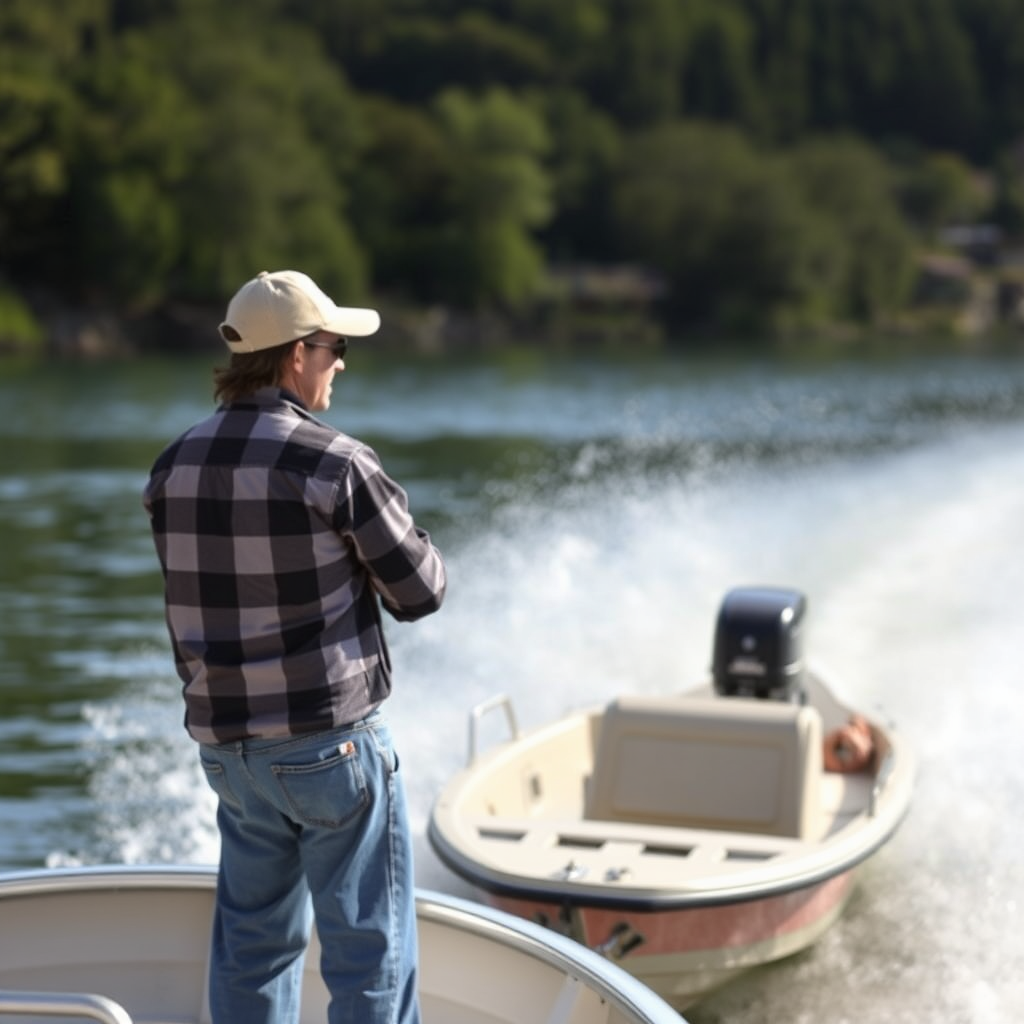
Boat insurance is essential for safeguarding your financial investment and ensuring peace of mind while enjoying the water. Accidents can happen at any time, whether due to adverse weather conditions, mechanical failures, or human error. In the event of an accident, boat insurance protects against financial losses from damages to your vessel, as well as any potential liabilities arising from injuries to others or property damage. For example, if you accidentally collide with another boat, the costs associated with repairs or medical expenses could quickly escalate. Liability coverage is particularly critical, as it offers financial protection in case you are held responsible for injuries sustained by others or damage to their property. Without insurance, you could face significant out-of-pocket costs that may disrupt your financial stability.
Texas Laws Regarding Boat Insurance
In Texas, there is no legal requirement mandating that boat owners carry insurance. This lack of a statutory obligation can lead some boaters to forego coverage, believing that they can operate their vessels without risk. However, it is important to recognize that while insurance is not required by law, certain situations may necessitate it. For instance, if you finance the purchase of your boat, your lender may require you to obtain insurance as a condition of the loan. Additionally, some marinas or waterways may require proof of insurance for access or docking privileges. It is wise to check the specific requirements of your lender or any locations where you plan to operate your boat to avoid unexpected complications.
Types of Boat Insurance Coverage
Understanding the different types of boat insurance coverage can help you make informed decisions about your policy. The most common types of coverage include:
– Liability Coverage: This coverage protects you against claims arising from bodily injury or property damage that you may cause to others while operating your boat. For example, if you collide with another vessel and cause injury to its occupants, liability insurance can cover medical expenses and legal fees.
– Physical Damage Coverage: This coverage is designed to protect your boat from physical damage due to accidents, theft, vandalism, or natural disasters. It can cover the cost of repairs or the replacement of your boat if it is deemed a total loss. For instance, if your boat is damaged in a storm or stolen from a marina, physical damage coverage can help mitigate the financial impact.
– Uninsured/Underinsured Boater Coverage: This type of insurance provides protection in the event that you are involved in an accident with a boater who does not have adequate insurance coverage. It can help cover your medical expenses and damages if the other party is unable to pay.
– Medical Payments Coverage: This type of coverage pays for medical expenses incurred by you or your passengers in the event of an accident, regardless of fault. It can be particularly beneficial in covering immediate medical needs after a boating incident.
Factors Influencing Boat Insurance Costs
Several factors can influence the cost of your boat insurance premiums. Understanding these factors can help you find the best rates and coverage options:
– Size and Type of the Boat: Generally, larger and faster boats are more expensive to insure due to their higher risk profiles. For example, a high-performance speedboat may cost more to insure than a small fishing boat due to the increased likelihood of accidents or damage.
– Boating Experience and Safety Record: Insurers often consider your experience level and safety record when determining premiums. Experienced boaters with a clean safety history typically qualify for lower rates, while new or inexperienced boaters might face higher premiums due to perceived risks.
– Location: Where you operate your boat can also affect your insurance rates. For example, if you frequently boat in areas known for rough waters or high accident rates, your premiums may be higher.
– Usage: The frequency and purpose of your boat’s use can impact your insurance costs. Boats used for commercial purposes or rented out to others typically incur higher premiums than those used solely for personal leisure.
How to Choose the Right Boat Insurance Policy
Choosing the right boat insurance policy involves careful consideration of your individual needs and circumstances. Here are some actionable steps to help you make the best choice:
– Assess Your Needs: Consider factors such as the value of your boat, how often you use it, and the types of activities you engage in. If you plan to use your boat for fishing, water sports, or extended trips, you may require more comprehensive coverage.
– Compare Quotes from Multiple Insurers: Shopping around is crucial for finding the best coverage options and prices. Different insurance providers offer varying policies and rates, so it’s beneficial to obtain quotes from multiple companies to compare coverage limits, deductibles, and premium costs.
– Read Customer Reviews: Researching customer experiences with different insurers can provide valuable insights into their claims process and customer service reputation. Look for reviews on independent sites to gauge overall satisfaction.
– Consult with Insurance Agents: Speaking with knowledgeable insurance agents can clarify coverage options and help you navigate the complexities of different policies. They can provide tailored recommendations based on your unique needs.
Common Myths About Boat Insurance
Numerous misconceptions surround boat insurance, which can lead to inadequate protection for boat owners. Here are some common myths debunked:
– Myth: Insurance is unnecessary if you only use your boat occasionally. While infrequent use may reduce risk, accidents can happen at any time. Even occasional boaters benefit from insurance, as unforeseen incidents can lead to significant financial liabilities.
– Myth: All boat insurance policies are the same. This is untrue, as coverage varies widely between providers. Policies can differ significantly in terms of coverage limits, exclusions, and pricing. Carefully reviewing policy details is essential to ensure you select the best option for your needs.
– Myth: My homeowner’s insurance covers my boat. Generally, homeowner’s insurance may provide limited coverage for small boats, but it often does not cover larger vessels or specific boating-related liabilities. It is crucial to check your homeowner’s policy details and consider separate boat insurance for adequate protection.
Summarizing the importance of boat insurance, it is evident that while it may not be legally required in Texas, having the right coverage can save you from significant financial troubles. If you own a boat, consider reaching out to insurance providers to discuss your options and find a policy that suits your needs. Safety on the water starts with smart decisions, so don’t delay in protecting your investment.
Frequently Asked Questions
Do you need boat insurance in Texas if you own a small boat?
Yes, while Texas law does not mandate boat insurance for all boats, having coverage is highly recommended even for small boats. Boat insurance protects you from financial loss due to accidents, theft, or damage. Even for small watercraft, the costs associated with repairs or liability claims can be significant, making insurance a wise investment.
What types of boat insurance are available in Texas?
In Texas, several types of boat insurance are available, including liability coverage, which protects you if you cause injuries or damage to others, and physical damage coverage, which covers repairs to your boat. Additionally, you can find comprehensive policies that may include coverage for theft, vandalism, and environmental damages. Understanding these options can help you select the best policy that fits your boating needs.
How much does boat insurance cost in Texas?
The cost of boat insurance in Texas can vary widely based on factors such as the type and size of the boat, the coverage limits you choose, your boating experience, and your location. On average, boat insurance can range from $200 to $600 annually for smaller boats, while larger or high-performance vessels may see premiums exceeding $1,000. It’s advisable to shop around and compare quotes from different insurers to find the best deal.
Why is boat insurance important even if it’s not required by law in Texas?
Boat insurance is important because it provides financial protection against unexpected events, such as accidents or natural disasters. Without insurance, you could face hefty repair costs or liability claims that could lead to significant financial strain. Additionally, having insurance can offer peace of mind, allowing you to enjoy your time on the water without worrying about potential risks.
Which factors affect boat insurance premiums in Texas?
Several factors can influence your boat insurance premiums in Texas, including the type of boat you own, its age, and its value. Other considerations include your boating history, including any accidents or claims, the area where you primarily boat, and the coverage limits you choose. By understanding these factors, you can take steps to potentially lower your premiums, such as improving your boating safety credentials or opting for higher deductibles.
References
- https://www.tdi.texas.gov/consumer/boatinsurance.html
- https://www.nolo.com/legal-encyclopedia/boat-insurance-texas-30253.html
- https://www.insurance.utexas.edu/boat-insurance-texas
- 404 – Page not found | III
- https://www.texas.gov/en/discover/boating.html