

Sedation dentistry is often covered by insurance, but the extent of coverage can vary widely depending on your specific plan and the reasons for sedation. Many insurance policies may include provisions for sedation when it is deemed necessary for specific medical conditions or patient needs. Understanding your insurance plan, the types of sedation available, and how to navigate coverage can make a significant difference in your dental experience.
Understanding Sedation Dentistry
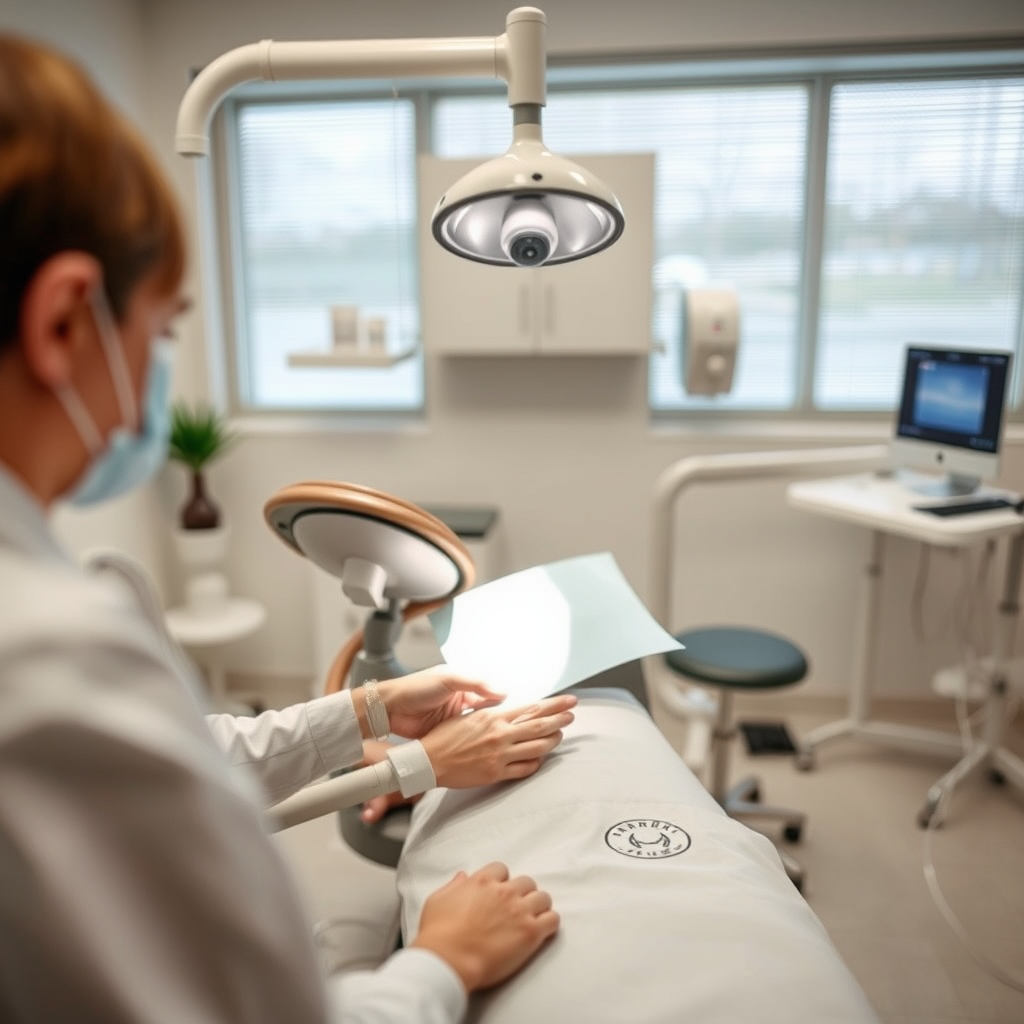
Sedation dentistry employs medication to help patients achieve a relaxed state during dental procedures, making it particularly beneficial for those who experience anxiety or discomfort when visiting the dentist. There are several common types of sedation used in dentistry:
1. Nitrous Oxide: Often referred to as “laughing gas,” nitrous oxide is inhaled through a mask and helps patients feel calm and comfortable while remaining awake and alert.
2. Oral Sedation: This involves taking medication in pill form prior to the appointment. Depending on the dosage, it can range from mild to moderate sedation, allowing patients to remain awake but relaxed.
3. IV Sedation: Administered through an intravenous line, IV sedation allows for deeper levels of sedation and can be adjusted throughout the procedure. Patients may not remember the procedure afterward.
Understanding these types of sedation can help patients communicate their needs effectively with their dental providers and may also influence insurance coverage decisions.
Types of Insurance Plans
Insurance plans can vary significantly in terms of coverage for dental procedures, including sedation dentistry. The most common types of dental insurance plans include:
– Preferred Provider Organization (PPO): These plans typically offer a broader range of services and may cover sedation if it is deemed medically necessary. Patients can choose their dental provider from a list of approved professionals.
– Health Maintenance Organization (HMO): HMO plans generally have a more limited network of providers and may require referrals. Coverage for sedation can vary, and it may only be covered under specific circumstances.
– Indemnity Plans: These plans generally allow patients to see any dentist, but coverage may be less comprehensive. Patients may need to pay upfront and submit claims for reimbursement.
It is crucial to carefully review the specifics of your dental insurance plan, as some may cover sedation only for certain procedures or under specific circumstances, such as surgical interventions.
When Sedation is Considered Medically Necessary
Insurance companies often establish criteria for determining whether sedation is medically necessary. Conditions that may warrant coverage include:
– Severe Dental Anxiety: For patients who experience extreme fear or anxiety about dental work, sedation may be justified to ensure they receive necessary care.
– Strong Gag Reflex: Patients with a pronounced gag reflex may find it challenging to undergo dental procedures without sedation, making it a necessary option.
– Special Needs Patients: Individuals with physical or cognitive disabilities may require sedation to facilitate dental treatment safely.
– Extensive Dental Work: Procedures that are lengthy or complex, such as multiple extractions or extensive restorative work, may also qualify for sedation coverage to minimize patient discomfort and anxiety.
If you believe you fall into one of these categories, it may be beneficial to discuss your situation with both your dentist and insurance provider to explore your options.
How to Check Your Insurance Coverage
To determine your insurance coverage for sedation dentistry, follow these steps:
1. Contact Your Insurance Provider: Speak directly with a representative from your insurance company to inquire about specifics related to sedation coverage. Prepare to provide details about your plan and the procedures you anticipate undergoing.
2. Review Your Policy Documents: Go over your policy documents carefully, focusing on sections that outline dental coverage. Look for any clauses related to sedation and exceptions that may apply.
3. Ask Your Dentist’s Office: Your dentist’s office may have experience dealing with insurance claims for sedation dentistry. They can assist in determining eligibility and may even take care of the billing process on your behalf.
By understanding your coverage, you can avoid unexpected out-of-pocket costs and make informed decisions about your dental care.
Out-of-Pocket Costs and Payment Options
In instances where insurance does not fully cover sedation dentistry, it is essential to be aware of potential out-of-pocket costs. These can vary based on the type of sedation used, the procedure being performed, and the dental provider’s fees. Here are some strategies for managing these costs:
– Discuss Financing Options: Many dental practices offer financing options, allowing you to pay for services over time rather than as a lump sum. Inquire about payment plans that can fit your budget.
– Consider Dental Savings Plans: If you do not have insurance or your plan does not cover sedation, you might explore dental savings plans, which can provide discounts on dental procedures, including sedation.
– Negotiate Fees: Don’t hesitate to discuss costs with your dental provider. They may be willing to offer a discount or work out a payment plan that accommodates your financial situation.
Understanding the financial aspects of sedation dentistry will help you plan effectively and alleviate financial stress during your dental visits.
Tips for Maximizing Your Insurance Benefits
To ensure you get the most out of your insurance coverage for sedation dentistry, consider the following tips:
1. Get Pre-Authorization: Before undergoing any procedures, request pre-authorization from your insurance company for sedation services. This can help confirm coverage and reduce the chances of denial after the fact.
2. Keep Detailed Records: Maintain comprehensive records of all communications with your insurance provider and dental office. Document dates, names of representatives, and specifics discussed to safeguard yourself in case of disputes.
3. Educate Yourself on Policy Changes: Insurance policies can change, so stay informed about any updates to your plan that could affect your coverage for sedation dentistry.
By proactively engaging with your insurance provider and dental office, you can navigate the complexities of coverage and ensure that you receive the necessary care without undue financial stress.
What to Discuss with Your Dentist
When considering sedation dentistry, clear communication with your dentist is paramount. Here are some critical points to address:
– Anxiety Levels: Be open about your anxiety or discomfort regarding dental procedures. This information helps your dentist understand your needs and recommend the appropriate type of sedation.
– Medical History: Provide a comprehensive medical history, including any medications you are taking and existing health conditions. This information is vital for determining the safest sedation options.
– Sedation Options: Ask about the different types of sedation available and the associated costs. Understanding the benefits and risks of each option can help you make an informed choice.
By fostering open dialogue with your dental provider, you can ensure a tailored approach to your sedation needs and overall dental care.
By understanding the nuances of insurance coverage for sedation dentistry, you can make informed decisions about your dental care. Always consult with both your dental provider and insurance representative to clarify coverage details. If you’re considering sedation dentistry, reach out to your insurance company and dental office today to discuss your options and ensure a smooth experience. Remember, proper planning and communication can lead to a more comfortable dental experience and peace of mind regarding your financial responsibilities.
Frequently Asked Questions
What is sedation dentistry and how does it work?
Sedation dentistry is a specialized dental practice that uses medication to help patients relax during dental procedures. The sedation can range from minimal sedation, where you are awake but relaxed, to deep sedation, where you may be unaware of the procedure taking place. This approach is particularly beneficial for anxious patients or those undergoing lengthy treatments, making their experience more comfortable and stress-free.
Does insurance typically cover sedation dentistry?
Insurance coverage for sedation dentistry varies widely among providers and plans. While some dental insurance policies may cover sedation if it’s deemed medically necessary, others may only cover it for specific procedures or not at all. It’s essential to check with your insurance provider to understand your specific coverage details and any potential out-of-pocket costs associated with sedation dentistry.
Why might my dentist recommend sedation for a procedure?
Dentists may recommend sedation for a variety of reasons, including to help manage patient anxiety, to facilitate longer or more complex procedures, or to aid patients with a low pain threshold. Sedation also allows the dentist to work more efficiently, as a relaxed patient is less likely to move abruptly, which can enhance the safety and effectiveness of the treatment.
What types of sedation are used in dentistry, and which is the best option for me?
The most common types of sedation used in dentistry include nitrous oxide (laughing gas), oral sedatives, and intravenous (IV) sedation. The best option for you depends on your level of anxiety, the complexity of the procedure, and your medical history. Discuss your concerns and preferences with your dentist, who can help you choose the most appropriate form of sedation based on your specific needs.
How can I find out if my dental insurance covers sedation dentistry?
To determine if your dental insurance covers sedation dentistry, start by reviewing your policy details or contacting your insurance provider directly. Additionally, you can consult with your dental office, as they often have experience dealing with various insurance plans and can assist you in understanding your coverage options and potential benefits related to sedation.
References
- https://www.ada.org/en/member-center/oral-health-topics/sedation-dentistry
- https://www.mouthhealthy.org/en/az-topics/s/sedation-dentistry
- https://www.nidcr.nih.gov/health-info/dental-anesthesia
- https://www.verywellhealth.com/sedation-dentistry-5190610
- https://www.ncbi.nlm.nih.gov/pmc/articles/PMC5540095/
- https://www.webmd.com/oral-health/what-is-sedation-dentistry