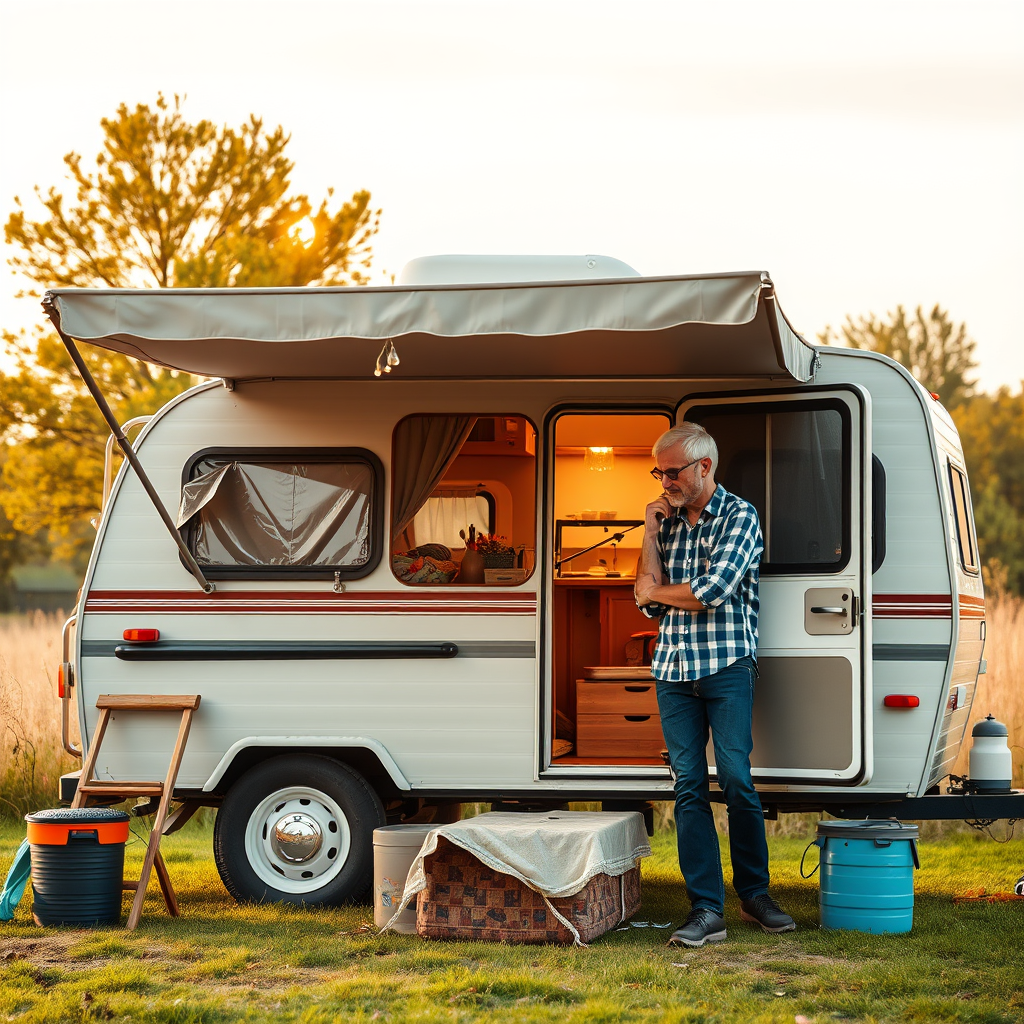

While it’s not legally required in all states to insure a pop-up camper, having insurance is highly recommended to protect your investment and ensure peace of mind. Insuring your pop-up camper safeguards against potential financial loss due to damage, theft, or liability claims. In this article, we will delve into the reasons for considering camper insurance, the types of coverage available, and tips for selecting the right policy that suits your unique needs.
Why Consider Insuring Your Pop Up Camper?
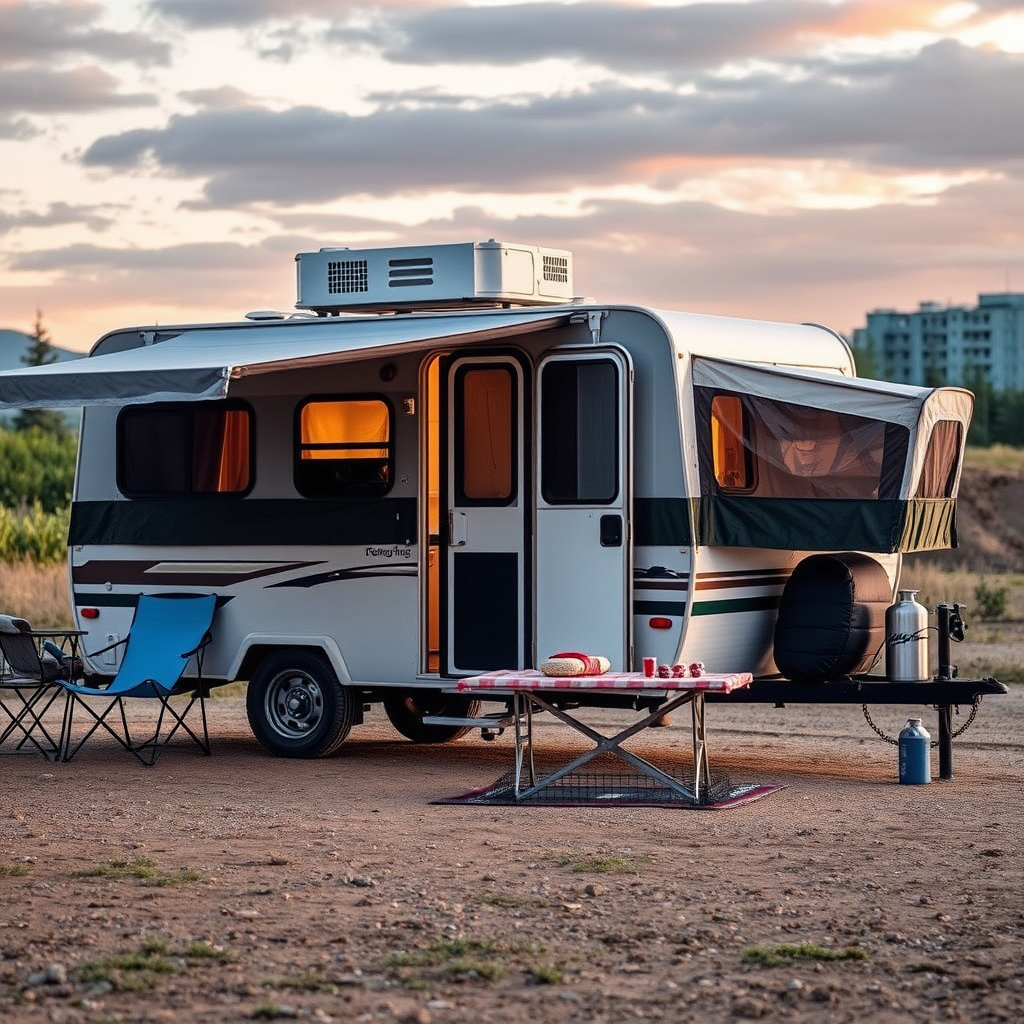
One of the primary reasons for insuring your pop-up camper is to protect it against various types of damage. Whether it’s an accident that causes significant repairs, weather-related damages such as hail or flooding, or even acts of vandalism, having insurance can alleviate the financial burden associated with these events. For instance, if a tree falls on your camper during a storm, comprehensive insurance can cover the costs of repairs, which could otherwise run into thousands of dollars.
Moreover, liability coverage is a crucial component of camper insurance. This type of coverage offers financial protection in the event that your camper causes injury to others or damages their property. For example, if someone trips over your camper at a campsite and sustains an injury, liability insurance can cover medical expenses and legal fees, protecting you from potential lawsuits that could arise from such incidents. Overall, having insurance is a proactive measure that not only protects your camper but also shields your finances.
Legal Requirements for Pop Up Camper Insurance
When it comes to legal requirements, the rules governing pop-up camper insurance vary by state. In some states, all recreational vehicles (RVs), including pop-up campers, must carry a minimum level of insurance before they can be registered. For instance, states like California and Florida require RV owners to have liability insurance to cover damages caused to other people or their property.
On the other hand, some states do not mandate insurance for pop-up campers, especially if they are not used on public roads. However, even if your state does not require insurance for registration, it’s prudent to consider obtaining a policy. Understanding local laws and regulations can help you navigate the requirements and ensure compliance while also considering your personal risk tolerance.
Types of Insurance Coverage Available
When selecting insurance for your pop-up camper, it’s essential to understand the types of coverage available. Comprehensive coverage is one option that protects against non-collision damages, such as theft, fire, or natural disasters. This coverage can be particularly valuable for campers, which may be parked in various locations and could be vulnerable to theft or damage from unforeseen circumstances.
Another vital type of coverage is collision coverage, which provides financial protection for damages resulting from accidents, whether they involve other vehicles or stationary objects. For instance, if you back your pop-up camper into a tree and cause significant damage, collision coverage would assist in covering the repair costs. Understanding the distinctions between these coverage types will enable you to tailor your policy to your specific needs.
Evaluating Your Insurance Needs
Assessing your insurance needs is a critical step in securing the right coverage for your pop-up camper. Consider the frequency of use—if you frequently take your camper on road trips or extended vacations, your risk exposure increases, making insurance even more important. Conversely, if your camper is used infrequently and mostly stored on your property, you may opt for a more basic policy.
Additionally, evaluating the value of your pop-up camper is crucial. Determine its replacement value by researching similar models and their market prices. This assessment will help ensure that you have adequate coverage in place. If your camper is an older model, you might consider whether actual cash value (ACV) or replacement cost coverage is more appropriate for your situation. Underinsuring your camper can lead to significant out-of-pocket expenses in the case of a total loss.
Choosing the Right Insurance Provider
Selecting the right insurance provider is as important as choosing the right coverage. Start by researching multiple insurance companies to compare rates and available coverage options. Websites that aggregate insurance quotes can be useful tools in identifying competitive rates. Furthermore, make sure to evaluate the specific services offered by each provider, such as roadside assistance or camper-specific services.
Reading customer reviews can also provide insights into the insurer’s reliability. Look for feedback on the claims process, customer service responsiveness, and overall satisfaction. A company with a solid reputation for handling claims efficiently can save you a great deal of stress in case of an incident.
Tips for Lowering Your Insurance Premium
While camper insurance is an investment, there are several strategies you can implement to lower your insurance premium without sacrificing essential coverage. One effective method is to bundle your camper insurance with other insurance policies, such as home or auto insurance. Many insurers offer discounts for bundling, which can result in significant savings.
Additionally, consider enhancing the safety and security of your pop-up camper. Installing anti-theft devices, such as wheel locks or GPS tracking systems, can reduce the risk of theft and may lead to lower insurance premiums. Keeping your camper in a secure location when not in use can also demonstrate to insurers that you are proactive about minimizing risk, potentially resulting in additional discounts.
Ultimately, being an informed consumer allows you to find the best coverage that fits your needs while optimizing your costs.
Securing insurance for your pop-up camper, while not legally mandated in all states, is a wise decision that protects your investment and provides peace of mind. Comprehensive coverage can protect against various risks, while liability insurance shields you from financial repercussions arising from accidents. By evaluating your individual needs, understanding the legal landscape, and selecting the right insurance provider, you can ensure that you have the appropriate coverage for your camper. Don’t wait—protect your investment today!
Frequently Asked Questions
Do I have to insure a pop-up camper?
Yes, insuring a pop-up camper is highly recommended, although it may not be legally required in all states. Insurance can protect you from financial loss due to accidents, theft, or damage. Additionally, if you plan to tow your camper, your auto insurance may not cover it adequately, making a dedicated pop-up camper policy essential for peace of mind and comprehensive coverage.
What types of insurance are available for pop-up campers?
There are several types of insurance options for pop-up campers, including comprehensive coverage, collision coverage, and liability coverage. Comprehensive coverage protects against non-collisional incidents like theft or vandalism, while collision coverage covers damages from accidents. Liability coverage is crucial as it protects you if you cause damage to someone else’s property or if someone is injured while using your camper.
How much does it cost to insure a pop-up camper?
The cost of insuring a pop-up camper varies widely based on factors such as the camper’s value, your location, and your driving history. On average, you can expect to pay between $100 to $300 annually for basic coverage. It’s wise to obtain quotes from multiple insurance providers to compare rates and find the best policy that fits your needs and budget.
Why is insuring a pop-up camper important?
Insuring a pop-up camper is important because it protects your investment and provides financial security in case of unforeseen events. Without insurance, you could face significant out-of-pocket expenses for repairs, replacement, or liability claims following an accident. Moreover, many campgrounds and RV parks require proof of insurance before allowing you to stay, making it a practical necessity for campers.
Which insurance companies offer the best coverage for pop-up campers?
Several insurance companies are known for offering competitive coverage and rates for pop-up campers, including Progressive, Geico, and Allstate. These providers often have specialized RV insurance options tailored for campers. It’s essential to review policy details, coverage limits, and customer reviews to determine which company aligns best with your camping lifestyle and insurance needs.
References
- https://www.nolo.com/legal-encyclopedia/how-insure-your-rv-camper-29811.html
- https://www.rvda.org/News/News/ArticleID/1837/Do-You-Need-Insurance-for-Your-RV
- 404 – Page not found | III
- ConsumerReports.org – Page not found error – Consumer Reports
- https://www.geico.com/information/insurance/rv-insurance/
- https://www.progressive.com/answers/what-is-rv-insurance/



