

Many insurance plans do not cover 3D ultrasounds, as they are often considered elective or non-essential for standard prenatal care. However, coverage can vary widely depending on the insurance provider and specific policy. Understanding the nuances of your insurance plan is crucial for expectant parents contemplating a 3D ultrasound. In this article, we will explore what factors influence coverage, common exceptions, and tips for navigating insurance claims related to 3D ultrasounds.
Understanding 3D Ultrasound and Its Purpose
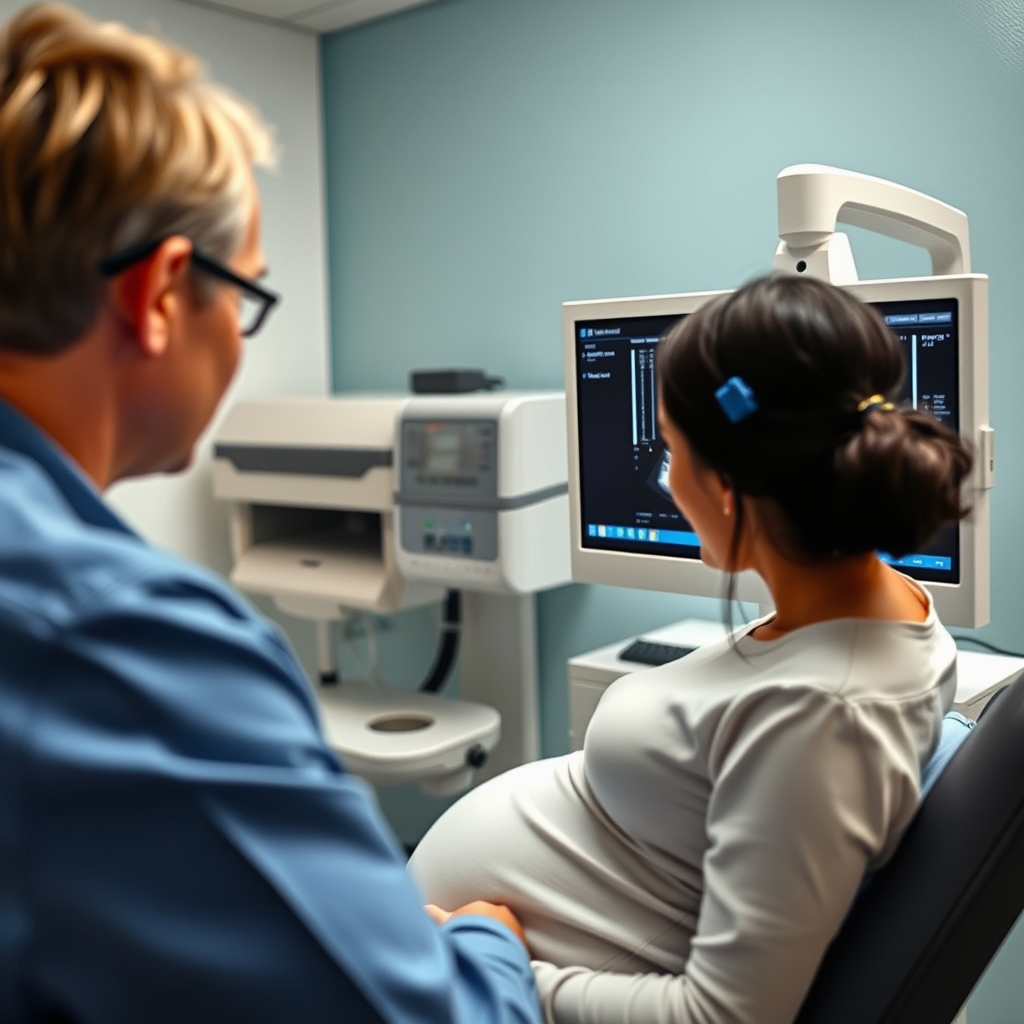
3D ultrasounds offer expectant parents a unique opportunity to view detailed images of their developing fetus, enhancing both diagnostic capabilities and bonding experiences. Unlike traditional 2D ultrasounds, which provide flat images that can be limited in detail, 3D ultrasounds create lifelike images that allow parents to see features such as facial expressions, limb movements, and even the baby’s smile. Typically performed in the second or third trimester, these ultrasounds can cost significantly more than their 2D counterparts, leading many parents to question the necessity and coverage of this advanced imaging technique.
While some may view 3D ultrasounds as an exciting addition to prenatal care, they are not always medically necessary in the eyes of insurance providers. Consequently, parents should weigh the emotional benefits of having these images against potential out-of-pocket costs.
Insurance Coverage Basics
When it comes to insurance coverage, it is essential to understand that most insurance policies will cover routine 2D ultrasounds as part of standard prenatal care. These are typically performed at specific intervals throughout pregnancy to monitor the health of both the mother and the fetus. However, 3D ultrasounds may be classified differently, often falling under elective procedures that may not be covered unless they serve a medical purpose.
Policies can vary significantly between insurance providers and even within the same provider depending on the specific plan. Therefore, reviewing your insurance policy documentation is crucial to understand the coverage details and limitations. Look for sections that discuss imaging procedures, prenatal care, and any specific language regarding elective or non-essential services.
Factors Influencing Coverage
Several factors can influence whether a 3D ultrasound is covered by insurance. One of the most significant is medical necessity. If a healthcare provider determines that a 3D ultrasound is vital for diagnosing a potential complication or monitoring a high-risk pregnancy, there is a higher likelihood that the procedure will be covered. For example, if a doctor suspects a congenital anomaly that can be better assessed through 3D imaging, they may be able to justify the request for coverage.
Additionally, provider agreements play a crucial role. Some insurance companies have established specific agreements with imaging centers that may affect costs and coverage. It is beneficial to check whether your chosen facility is in-network with your insurance plan, as this can significantly reduce out-of-pocket expenses.
Common Exceptions and Special Cases
While many insurance plans categorize 3D ultrasounds as elective, there are common exceptions where coverage may be provided. For instance, if a pregnancy is classified as high-risk due to factors such as maternal age, pre-existing medical conditions, or complications in previous pregnancies, insurers may be more willing to cover advanced imaging to ensure the health and safety of both mother and child.
Furthermore, certain states have mandates that require insurance companies to cover specific types of advanced imaging under particular circumstances. For example, some states might require coverage for 3D ultrasounds if they are deemed necessary for diagnosing fetal conditions or anomalies. It is essential for expectant parents to be aware of local regulations regarding insurance coverage for prenatal imaging.
Tips for Navigating Insurance Claims
Navigating insurance claims for 3D ultrasounds can be challenging, but there are several strategies expectant parents can employ to improve their chances of coverage. First, it is advisable to contact your insurance provider before scheduling a 3D ultrasound. This proactive approach allows you to understand potential out-of-pocket costs and ensures that the procedure is covered under your plan.
Obtaining a referral or formal request from your healthcare provider can also increase the chances of receiving coverage approval. When a medical professional advocates for the necessity of the procedure, insurance companies are often more inclined to consider it as a covered service.
Finally, keep thorough documentation of all communications with your insurance company and healthcare provider. Should a claim be denied, having a record of your interactions can help you contest the decision more effectively.
Alternative Options
If insurance coverage for a 3D ultrasound is not available or if out-of-pocket costs are prohibitive, there are several budget-friendly alternatives to consider. A standard 2D ultrasound, often covered by insurance, can still provide essential information about the health of the fetus. Additionally, many imaging facilities offer private pay options for 3D ultrasounds at reduced rates, especially if you book packages that include multiple sessions.
Another option is to look for local facilities that provide reasonable pricing for expectant parents interested in 3D ultrasounds. Some may even run promotional events or offer special deals designed to make advanced imaging more accessible.
Understanding whether insurance covers 3D ultrasounds requires careful consideration of your specific policy and circumstances. By exploring your coverage options and consulting with your healthcare provider, you can make informed decisions about your prenatal imaging needs. If you’re unsure about your coverage, contact your insurance company directly for clarity. This proactive approach can help you manage expectations and financial planning as you navigate this exciting time in your life.
Frequently Asked Questions
Does insurance typically cover 3D ultrasound during pregnancy?
Coverage for 3D ultrasound during pregnancy varies by insurance provider and policy. Generally, standard ultrasounds required for medical reasons are covered, while 3D ultrasounds, often considered elective or non-medical, may not be. It’s essential to check with your insurance company to confirm if they cover 3D ultrasounds and under what conditions.
What are the reasons insurance might deny coverage for a 3D ultrasound?
Insurance may deny coverage for a 3D ultrasound if it’s deemed non-essential or elective. Common reasons include the absence of medical necessity, as 3D ultrasounds are often used for aesthetic purposes rather than diagnostic reasons. Additionally, certain insurance plans may have specific exclusions for advanced imaging techniques like 3D ultrasounds, so reviewing your policy is crucial.
How can I find out if my insurance covers a 3D ultrasound?
To determine if your insurance covers a 3D ultrasound, start by reviewing your policy documents or the benefits summary provided by your insurer. You can also call the customer service number on your insurance card and ask a representative about coverage specifics for 3D ultrasounds. Don’t forget to inquire about any required pre-authorizations or referrals.
Why would someone choose a 3D ultrasound if it’s not covered by insurance?
Many expectant parents opt for 3D ultrasounds despite potential out-of-pocket costs because they offer a unique and detailed view of the baby’s features. Parents often appreciate the emotional experience and bonding opportunity that comes from seeing their baby in a more lifelike manner. Additionally, 3D ultrasounds can help detect certain physical anomalies that might not be visible in standard 2D images.
Are there alternative imaging options covered by insurance for monitoring pregnancy?
Yes, many insurance plans cover traditional 2D ultrasounds, which are commonly used for monitoring fetal development and checking for any medical concerns during pregnancy. Additionally, some plans may cover 4D ultrasounds, which provide a live video feed of the baby, often considered a medical necessity in certain cases. Always consult with your healthcare provider to understand which imaging options are appropriate and covered by your insurance.
References
- https://www.womenshealth.gov/a-z-topics/ultrasound
- Page Not Found | ACOG
- https://www.mayoclinic.org/tests-procedures/ultrasound/about/pac-20387436
- https://www.ncbi.nlm.nih.gov/pmc/articles/PMC7151461/
- https://www.healthcare.gov/coverage/what-to-know-about-coverage/
- https://www.verywellfamily.com/what-to-know-about-3d-ultrasounds-4172910
- Hand Hygiene – StatPearls – NCBI Bookshelf