

When it comes to owning a jet ski, having insurance is not legally required in every state, but it is highly recommended. While you may not face a legal mandate to insure your watercraft, the financial protection it offers is invaluable. Jet ski insurance can safeguard you against potential risks, including accidents, theft, and liability claims. This article will explore the reasons behind the necessity of insuring your jet ski, the types of coverage available, the factors affecting insurance costs, the risks of going uninsured, how to choose the right policy, and common misconceptions that often surround jet ski insurance.
Understanding Jet Ski Insurance
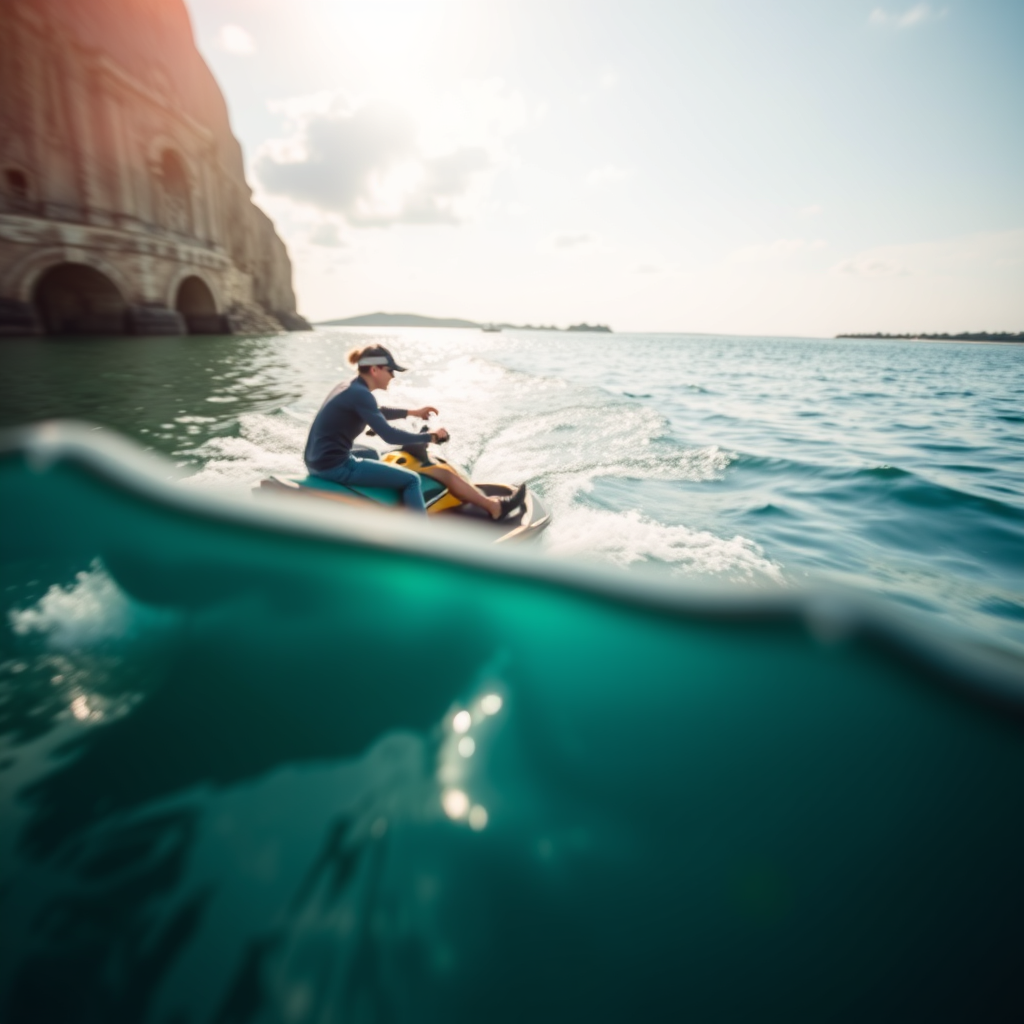
Jet ski insurance is designed to protect you from financial loss in various scenarios, including accidents, theft, and damage to your watercraft. Just like auto insurance, it provides a safety net that can cover repair costs, medical expenses for injuries sustained by you or others, and potential legal fees if you are held liable for an incident. Although many states do not mandate insurance, it is essential to consider that if you are financing your jet ski, most lenders will require you to carry insurance to protect their investment. Without this coverage, you could face significant financial burdens in the event of an accident or theft.
Types of Coverage Available
When considering jet ski insurance, it’s crucial to understand the different types of coverage available:
– Liability Coverage: This is often the most basic form of insurance and is critical if you cause injury or property damage to others while operating your jet ski. Liability coverage typically includes bodily injury and property damage liability, ensuring that you are protected against claims made by other parties.
– Comprehensive Coverage: This type of coverage goes beyond just accidents on the water. It protects against non-collision-related damages, such as those caused by theft, vandalism, fire, or extreme weather conditions. For example, if your jet ski is stolen from a marina or damaged in a storm, comprehensive coverage would help cover the loss or repair costs.
– Collision Coverage: While not always included in basic policies, collision coverage protects your jet ski against damages incurred during an accident with another vessel or object. If you collide with a dock or another boat, this coverage would help pay for repairs, irrespective of fault.
– Medical Payments Coverage: This coverage can help cover medical expenses for you or your passengers in the event of an accident, regardless of who is at fault. This can be particularly beneficial for families or groups who frequently ride together.
Understanding these coverage options will help you tailor a policy that best fits your needs, ensuring you have the right protection for your specific riding habits and circumstances.
Factors Influencing Insurance Costs
Several factors can influence the cost of jet ski insurance premiums. One of the primary considerations is the age, make, and model of your jet ski. Newer models with advanced safety features or higher value may incur higher premiums, while older models may be less expensive to insure.
Your location is another significant factor; areas with a higher prevalence of water activities, such as lakes or coastal regions, may have more competitive rates due to the increased number of providers, but they may also carry higher risks due to potential accidents or thefts.
Additionally, your riding habits will play a role in determining your premiums. If you frequently ride in busy areas or participate in racing events, your insurance costs may increase due to the higher likelihood of accidents. Conversely, if you primarily ride in less populated areas or engage in leisurely activities, you may benefit from lower rates.
Risks of Not Having Insurance
Choosing to go without jet ski insurance can expose you to various financial risks. In the event of an accident, you could face substantial out-of-pocket expenses for repairs or medical bills. For example, if you collide with another vessel and are found liable, you may be responsible for covering the other party’s damages, which can quickly escalate into thousands of dollars.
Additionally, uninsured jet ski owners may encounter difficulties when attempting to sell their vehicle or secure loans. Many potential buyers or lenders will require proof of insurance before proceeding with a sale or financing arrangement, effectively limiting your options if you are uninsured.
Beyond financial implications, the lack of insurance can also result in legal consequences if you are involved in an accident. If someone sustains injuries due to your negligence and you lack coverage, you may face lawsuits that could further deplete your financial resources and impact your credit rating.
How to Choose the Right Insurance Policy
Choosing the right insurance policy for your jet ski involves careful consideration of your specific needs and usage patterns. Start by comparing quotes from various insurance providers to find the best rates and coverage options. Many companies offer online tools that allow you to input your information and receive instant quotes, making it easier to evaluate your options.
Consider your riding habits, the type of water you frequent, and how often you use your jet ski. If you plan to take longer trips or participate in competitive events, you may want a more comprehensive policy. Additionally, review the policy limits and deductibles; a lower deductible may result in higher premiums, but it can save you money in the event of a claim.
It’s also beneficial to read customer reviews and assess the claims process of each provider. A company that is known for excellent customer service and efficient claims handling can make a significant difference during stressful situations.
Common Misconceptions About Jet Ski Insurance
There are several misconceptions surrounding jet ski insurance that can lead to inadequate protection. One common belief is that homeowners’ insurance covers jet skis. While some policies may provide limited coverage for watercraft, it is often insufficient for the unique risks associated with operating a jet ski. Relying solely on homeowners’ insurance could leave you vulnerable in the event of an accident or theft.
Another misconception is that having liability coverage is enough. While liability coverage is essential, it may not cover all potential risks. Comprehensive and collision coverage can provide more extensive protection, ensuring you are safeguarded against various scenarios, including theft or damage due to severe weather.
Understanding these misconceptions can help you make informed decisions about your insurance needs and avoid potential gaps in coverage.
Choosing to insure your jet ski is a prudent decision that can protect your finances and provide peace of mind while enjoying water activities. By understanding the types of coverage available, factors influencing insurance costs, and the risks of going uninsured, you can make an informed decision that best suits your needs. It is advisable to reach out to local insurance providers to explore your options and find the best coverage for your specific situation. Prioritizing insurance is not just about compliance; it’s about ensuring a safer and more enjoyable experience on the water.
Frequently Asked Questions
Do I need insurance for my jet ski?
While insurance for your jet ski is not legally required in all states, it is highly recommended. Having insurance can protect you from financial liabilities in case of accidents, theft, or damage to the watercraft. Additionally, some marinas and lenders may require insurance before allowing you to dock or finance your jet ski.
What types of coverage are available for jet ski insurance?
Jet ski insurance typically includes liability coverage, which covers bodily injury and property damage to others if you’re at fault in an accident. Other options may include collision coverage for damages to your own jet ski, comprehensive coverage for non-collision incidents such as theft or vandalism, and personal injury protection for medical costs incurred during an accident. It’s essential to evaluate your needs to choose the best coverage for your situation.
How much does jet ski insurance cost?
The cost of jet ski insurance can vary widely based on factors such as the type of jet ski, its value, your location, driving experience, and the coverage options you select. On average, you can expect to pay between $100 to $500 annually for insurance. Comparing quotes from multiple providers can help you find the best rates while ensuring adequate coverage.
Why should I consider getting insurance for my jet ski?
Getting insurance for your jet ski mitigates financial risks associated with accidents, theft, or damages, which can be quite costly. Without insurance, you could face significant out-of-pocket expenses if an incident occurs. Furthermore, having insurance can provide peace of mind, allowing you to enjoy your time on the water without worrying about potential liabilities.
Which factors affect my jet ski insurance rates?
Several factors can influence your jet ski insurance rates, including the jet ski’s make and model, its age and value, your claims history, and your driving record. Additionally, where you keep your jet ski, the frequency of use, and your age can also play a role in determining your premium. Understanding these factors can help you make informed decisions when seeking insurance coverage.
References
- https://www.wikiHow.com/Insure-a-Jet-Ski
- https://www.boat-ed.com/faq/jet-ski-insurance/
- 404 – Page not found | III
- https://www.michigan.gov/documents/dnr/Jet_Ski_Safety_Handbook_2013_421690_7.pdf
- – NASBLA Connect