

If you’re wondering whether it’s possible to secure student loans without filling out the FAFSA, the answer is yes. While the FAFSA (Free Application for Federal Student Aid) is a critical gateway to accessing federal financial aid, there are indeed alternative avenues for obtaining student loans. In this article, we’ll delve into how you can acquire loans without the FAFSA, the different options available, and the implications associated with those choices.
Understanding FAFSA and Its Importance
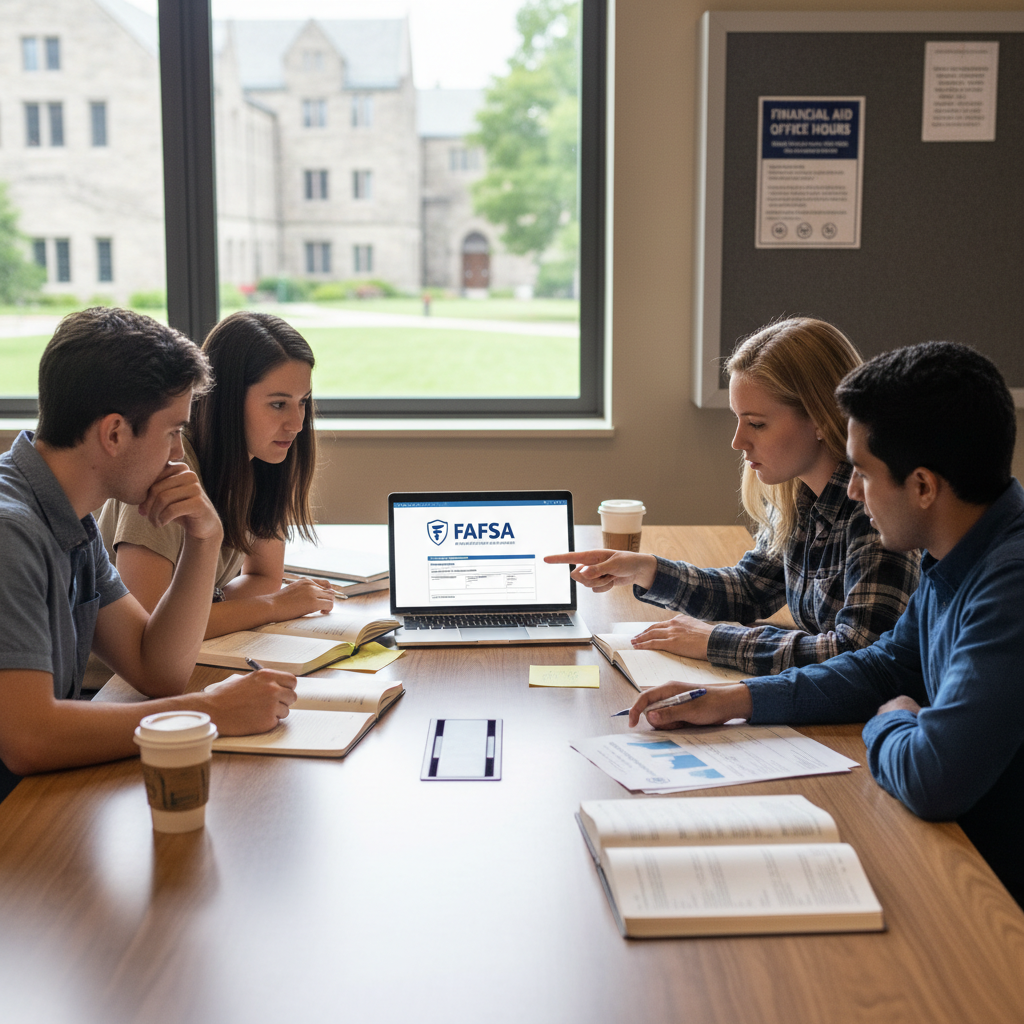
The FAFSA is a vital tool for students seeking financial assistance to fund their education. Not only does it allow students to qualify for federal grants, work-study programs, and subsidized loans, but many states and colleges also rely on FAFSA data to determine eligibility for their own financial aid programs. By completing the FAFSA, students can access a considerable array of financial resources that can substantially lower their educational expenses. For instance, federal loans typically offer lower interest rates and more flexible repayment options compared to private loans. Additionally, federal financial aid is often designed to accommodate students from low- to moderate-income families, providing a safety net for those who might otherwise struggle to afford tuition costs.
Alternative Federal Loan Options
While the FAFSA is generally required for most federal loans, there are specific scenarios where students can secure federal funding without submitting the FAFSA. For example, Federal Direct PLUS Loans, which are available to graduate or professional students and parents of dependent undergraduate students, do not require FAFSA completion if the borrower does not wish to apply for need-based assistance. However, it’s essential to note that PLUS loans require a credit check and are subject to higher interest rates than unsubsidized loans.
Additionally, Direct Unsubsidized Loans, which are available to both undergraduate and graduate students regardless of financial need, may be obtained without a FAFSA in specific circumstances, though eligibility might be limited. It’s crucial for students to understand that while these options exist, they may not offer the same benefits as more traditional federal loans accessed through FAFSA.
Private Student Loans Without FAFSA
Private lenders typically do not require the FAFSA when processing loan applications. Instead, they focus on the borrower’s creditworthiness, income, and other financial indicators. This means that students can apply directly to private lenders for student loans without the need for FAFSA. Numerous financial institutions and online lenders offer private student loans, so it is prudent to research various options to find the best rates and terms tailored to your financial situation.
For example, lenders like SoFi, Discover, and Sallie Mae present competitive interest rates and flexible repayment plans. However, it’s essential to compare the terms and conditions of each lender meticulously. Understanding the total cost of borrowing, including fees and interest rates, will help you make an informed decision.
Pros and Cons of Avoiding FAFSA
There are both advantages and disadvantages to securing loans without completing the FAFSA.
Pros: One significant advantage is the potentially faster application process for some private loans, as they may have fewer requirements than federal loans. Additionally, certain private lenders may offer better loan terms, such as lower interest rates or more flexible repayment options, especially for borrowers with strong credit profiles.
Cons: On the flip side, avoiding the FAFSA means losing out on numerous federal loan benefits, including lower interest rates, income-driven repayment plans, and eligibility for loan forgiveness programs. Federal loans typically come with borrower protections that private loans do not, such as deferment and forbearance options, which can be crucial during financial hardships.
Steps to Secure Loans Without FAFSA
If you decide to pursue loans without the FAFSA, there are specific steps you should follow to ensure a smooth application process:
1. Assess Your Creditworthiness: Start by reviewing your credit report and score. Most private lenders will consider your credit history as a significant factor in determining loan eligibility and interest rates. If necessary, take steps to improve your credit score before applying.
2. Gather Necessary Financial Documents: Compile documents that demonstrate your income and financial status, such as pay stubs, tax returns, or bank statements. Being prepared with this information will streamline the application process.
3. Compare Different Private Lenders: Research various private lenders to understand their application criteria, terms, and interest rates. Use online comparison tools to evaluate multiple options and select the lender that best meets your needs.
4. Apply Directly to Your Chosen Lender: Once you’ve narrowed down your options, complete the application process directly with your chosen lender. Ensure you meet all their requirements and provide all necessary documentation.
Understanding the Risks
While obtaining loans without the FAFSA is possible, it is essential to recognize the associated risks. One primary concern is that private loans often come with higher interest rates and less favorable repayment options compared to federal loans. Borrowers may find themselves facing stringent repayment terms and higher monthly payments, which can strain their finances, especially after graduation.
Moreover, without the protections afforded by federal loans, such as deferment or income-driven repayment plans, borrowers may find themselves with fewer options for managing their debt in times of financial difficulty. This lack of support can lead to increased stress and financial instability.
Final Considerations
Before deciding to secure student loans without the FAFSA, it is crucial to determine your financial needs and evaluate all available options thoroughly. Consider reaching out to a financial advisor or consulting with your college’s financial aid office for personalized advice. They can provide insights specific to your situation and help you navigate the complexities of student loans.
In summary, while securing student loans without the FAFSA is indeed possible, it comes with its own set of challenges and considerations. It is imperative to weigh the pros and cons carefully, explore all available resources, and make informed decisions to ensure you choose the best financing options for your educational journey.
Frequently Asked Questions
Can you get student loans without filling out the FAFSA?
Yes, it is possible to obtain student loans without completing the Free Application for Federal Student Aid (FAFSA). While the FAFSA is essential for federal student loans and grants, alternative sources such as private lenders offer loans based on credit history and income rather than financial need. However, without the FAFSA, you may miss out on federal loan options with lower interest rates and more flexible repayment terms.
What are the alternatives to federal student loans if I don’t fill out the FAFSA?
If you choose not to fill out the FAFSA, you can explore several alternatives to federal student loans. These include private student loans from banks or credit unions, which may offer competitive rates based on creditworthiness. Additionally, you might consider personal loans or educational loans from nonprofit organizations, as well as scholarships and grants from private institutions that do not require FAFSA completion.
Why should I consider filling out the FAFSA even if I think I won’t qualify for aid?
Filling out the FAFSA is highly recommended even if you believe you won’t qualify for federal aid, as it can unlock various financial benefits. Many colleges use FAFSA data to determine eligibility for institutional aid, which may include scholarships and grants that do not require repayment. Additionally, some states offer financial aid programs based on FAFSA information, so completing it could lead to unexpected funding opportunities.
How do private student loans differ from federal student loans?
Private student loans differ from federal student loans primarily in terms of eligibility requirements, interest rates, and repayment options. Federal loans typically offer lower interest rates and more flexible repayment options, including income-driven repayment plans. In contrast, private loans often require a credit check and may have variable interest rates, which can lead to higher costs over time, making it essential to weigh your options carefully before borrowing.
Which lenders provide student loans without FAFSA, and how can I apply?
Several lenders provide student loans without requiring FAFSA, including well-known banks, credit unions, and online lenders like SoFi, Discover, and College Ave. To apply, you typically need to fill out an application on the lender’s website, providing personal information, financial details, and your credit history. It’s important to compare interest rates, terms, and repayment options from multiple lenders to find the best fit for your financial situation.
References
- Federal Student Aid
- https://www.ed.gov/financial-aid/loans
- https://www.nasfaa.org/
- https://www.thebalance.com/student-loans-without-fafsa-4172579
- https://www.nerdwallet.com/article/loans/student-loans-without-fafsa
- https://www.investopedia.com/articles/personal-finance/030515/how-get-student-loans-without-fafsa.asp
- https://www.usnews.com/education/best-colleges/paying-for-college/articles/how-to-get-student-loans-without-fafsa
- https://www.thecollegeinvestor.com/2017/05/student-loans-without-fafsa/