

Getting student loans for community college is not only possible, but it can also be a practical way to fund your education. Many students are unaware that federal and private loan options are available to help cover tuition and related expenses at community colleges. Understanding the landscape of financial aid is essential, as it enables students to make informed choices that align with their financial goals and educational aspirations. In this article, we will explore the various types of student loans you can access for community college and how to make the most of your financial aid options.
Federal Student Loans
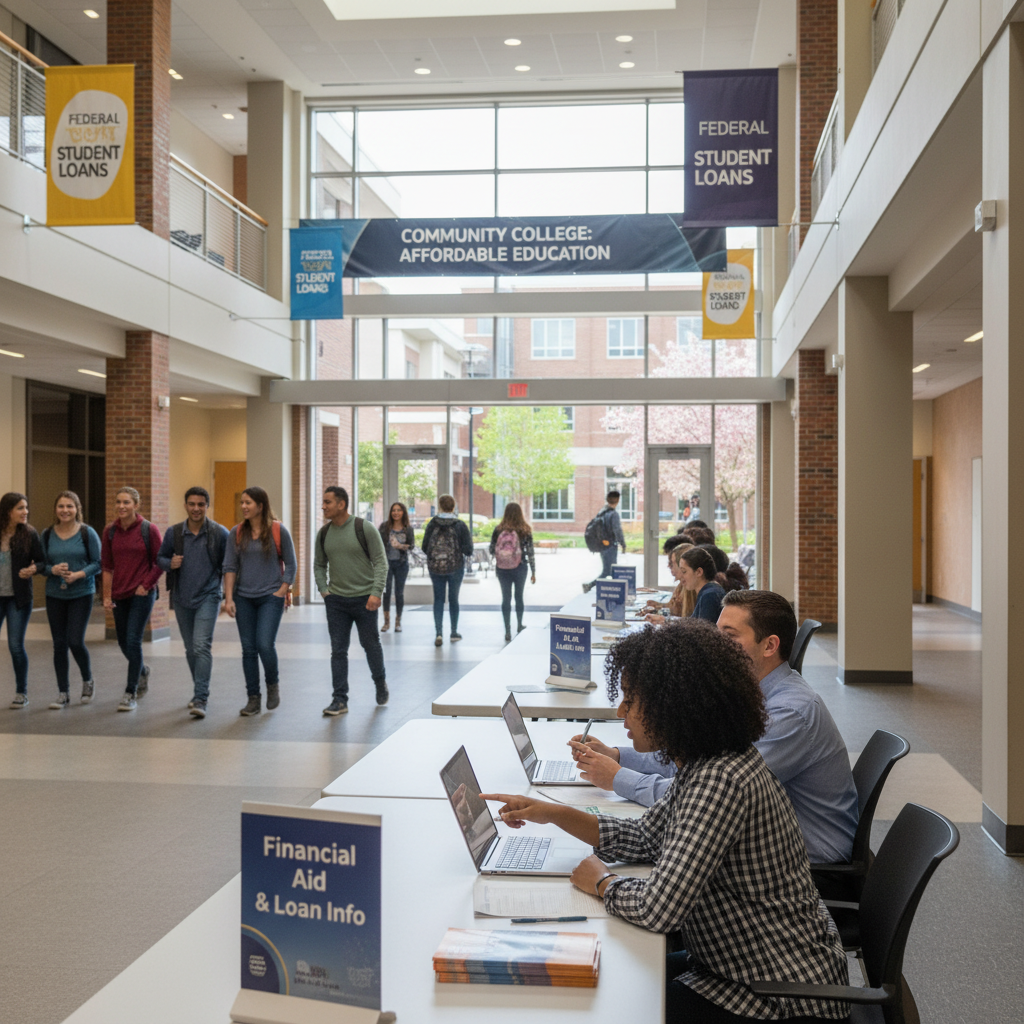
Federal student loans are a primary source of funding for many students attending community colleges. The two main types of federal loans available are Direct Subsidized Loans and Direct Unsubsidized Loans.
Direct Subsidized Loans are need-based loans for which the government pays the interest while the borrower is in school at least half-time, during the grace period, and during deferment periods. This feature makes them particularly appealing as they help to minimize the overall cost of borrowing. On the other hand, Direct Unsubsidized Loans are not based on financial need; therefore, interest accrues from the time the loan is disbursed, regardless of the borrower’s enrollment status.
To qualify for these loans, students must complete the Free Application for Federal Student Aid (FAFSA). This application assesses financial need and helps determine eligibility for federal student aid, including grants, work-study, and loans. Eligibility requirements for federal loans generally include being enrolled at least half-time in an eligible program at a community college and maintaining satisfactory academic progress.
Private Student Loans
While federal student loans are often the first choice for financing education, private student loans can also provide necessary funding for community college students. Private loans, offered by banks, credit unions, and other financial institutions, tend to have different eligibility criteria and terms compared to federal loans.
One significant difference is that private loans typically require a credit check, and the interest rates can vary widely based on the borrower’s creditworthiness. Additionally, private lenders may not offer the same flexible repayment options or borrower protections that federal loans do, such as income-driven repayment plans or deferment options. When considering a private loan, it is crucial to evaluate key factors such as interest rates, repayment terms, and loan fees. Students should shop around and compare multiple lenders to find the best deal that meets their specific financial situation.
Scholarships and Grants
In addition to loans, students should actively seek out scholarships and grants specifically for community college students. Scholarships are often merit-based or need-based awards that do not require repayment, making them an excellent option to reduce the overall cost of education. Many organizations, foundations, and local businesses offer scholarships targeting students attending community colleges.
Similarly, federal and state grants can significantly alleviate the financial burden. Programs like the Pell Grant and state-funded grants are designed to assist low-income students, providing funds that can be used for tuition, books, and other educational expenses. To qualify for these grants, completing the FAFSA is essential, as it helps assess eligibility based on financial need.
Work-Study Programs
Work-study programs can be a valuable resource for community college students aiming to finance their education while gaining valuable work experience. These federally funded programs allow students to work part-time, typically on campus, in positions that can help cover tuition and living expenses.
Eligibility for work-study programs is determined through the FAFSA, which evaluates financial need. Once approved, students can apply for available positions at their community college, which often cater to students’ schedules. Balancing work and study not only helps manage educational costs but also provides practical experience, enhancing a resume and improving employability after graduation.
Loan Repayment Options
Understanding repayment options is crucial for managing student loans effectively. Federal student loans come with various repayment plans that can accommodate different financial situations, including standard, graduated, and income-driven repayment plans. Income-driven repayment plans, in particular, adjust monthly payments based on the borrower’s income and family size, making them a viable option for graduates entering the workforce with lower salaries.
For students currently in school or those who have recently graduated, managing loan payments can be challenging. It is advisable to stay informed about grace periods, deferment options, and potential loan forgiveness programs. Establishing a budget early on can help borrowers plan for future payments and avoid defaulting on loans.
Common Myths About Student Loans for Community College
There are several misconceptions surrounding student loans for community college students. One common myth is that community college students cannot receive loans, which is simply not true. Federal and private student loans are available to all eligible students, regardless of their institution type.
Another widespread concern is that taking out student loans will lead to unmanageable debt levels that hinder future financial stability. While student loan debt can be significant, careful planning and informed financial decisions can mitigate these risks. Understanding repayment options and seeking out scholarships and grants can help students minimize their borrowing and set them up for a successful financial future.
Tips for Managing Student Loans
Effectively managing student loans begins with budgeting and careful planning. Students should create a detailed budget that accounts for tuition, fees, living expenses, and loan payments. Utilizing financial management tools or apps can simplify tracking expenses and income.
Additionally, students should take advantage of resources for financial literacy and loan management. Many community colleges offer workshops and counseling services that provide guidance on budgeting, managing debt, and understanding loans. Staying informed and proactive about financial decisions is key to navigating the complexities of student loans.
In summary, community college students have access to a variety of financial resources, including federal and private loans, scholarships, and work-study programs. Understanding these options is crucial to making informed decisions about funding your education. Take the time to research and apply for the financial aid that best suits your needs, ensuring you can pursue your community college education with confidence.
Frequently Asked Questions
Can you get federal student loans for community college?
Yes, you can obtain federal student loans for community college. As long as you are enrolled at least half-time in an eligible program, you can apply for federal student aid through the Free Application for Federal Student Aid (FAFSA). This includes Direct Subsidized and Unsubsidized Loans, which can help cover tuition and related educational expenses.
What types of student loans are available for community college students?
Community college students can access several types of student loans, including federal loans, private loans, and state loans. Federal loans, such as Direct Subsidized and Unsubsidized Loans, generally offer lower interest rates and more flexible repayment options. Private loans from banks or credit unions may also be available but often come with less favorable terms and credit requirements.
How do I apply for student loans for community college?
To apply for student loans for community college, start by completing the FAFSA, which determines your eligibility for federal financial aid. After submitting the FAFSA, your college will send you a financial aid offer, detailing the loans you qualify for. Be sure to review all options and understand the terms before accepting any loans.
Why should I consider taking out student loans for community college?
Taking out student loans for community college can be beneficial as it allows you to invest in your education, which can lead to better job opportunities and higher earning potential. Community colleges often have lower tuition rates, making loans more manageable. Additionally, federal loans often come with benefits such as deferment options and income-driven repayment plans, making them a viable option for many students.
Which community colleges offer the best financial aid packages, including student loans?
The best community colleges for financial aid packages vary by state and individual circumstances. However, colleges that participate in federal and state financial aid programs typically offer competitive packages. Research community colleges in your area, review their financial aid offices, and consider factors like average loan debt, scholarships, and grant opportunities to find the best fit for your financial needs.
References
- Federal Student Aid
- https://www.ed.gov/college-access-initiatives/community-colleges
- American Council on Education
- https://www.nasfaa.org/Community_College_Financial_Aid
- How do I stop automatic payments from my bank account? | Consumer Financial Protection Bureau
- College Board – SAT, AP, College Search and Admission Tools
- https://www.chegg.com/homework-help/questions-and-answers/community-college-student-loans-q89572403
- https://www.niche.com/blog/financial-aid-community-college/