

If you’re considering taking summer classes, the good news is that you can indeed access federal loans to help cover the costs. Many students are unaware that federal financial aid is available for summer sessions, leading to missed opportunities for educational advancement. This article will guide you through the types of federal loans available, eligibility criteria, and the application process, ensuring you have all the information you need to make an informed decision about financing your summer education.
Types of Federal Loans Available
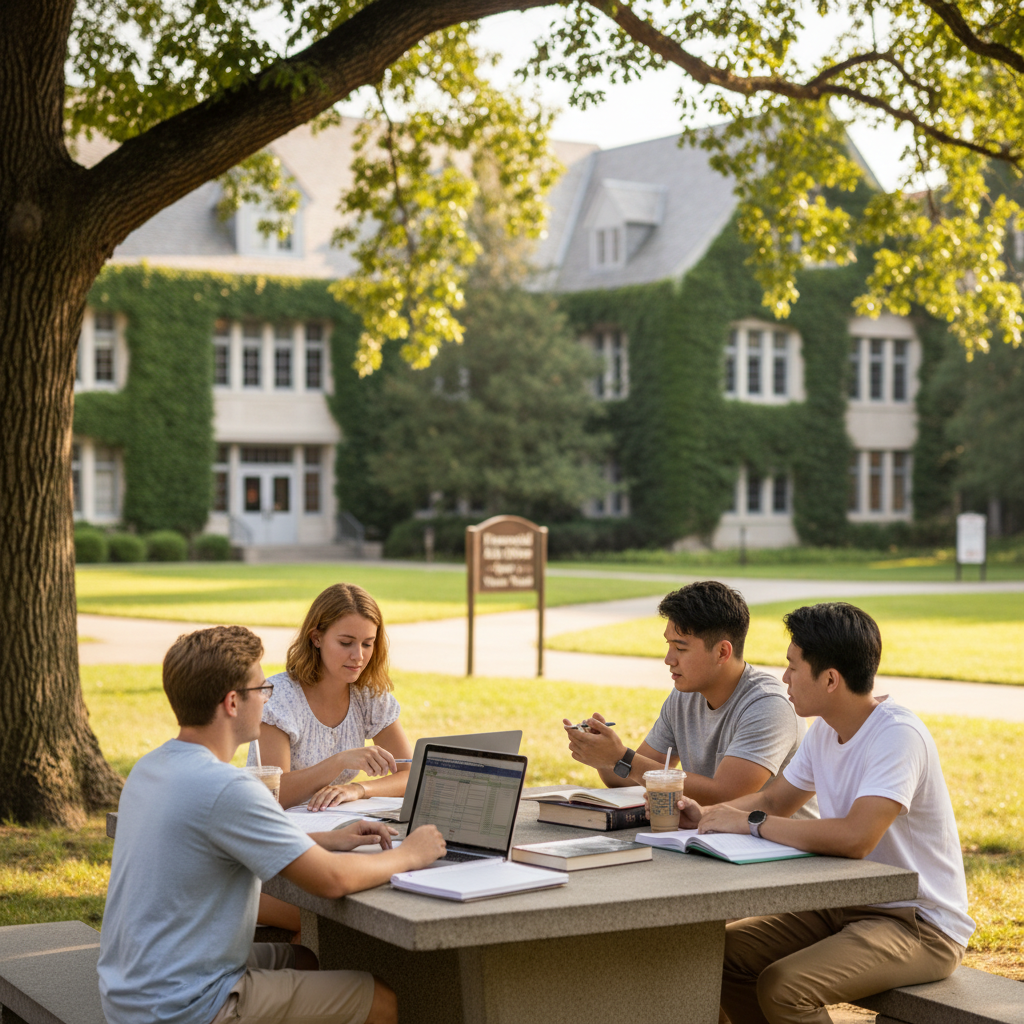
Understanding the types of federal loans is crucial when planning for your summer classes.
– Direct Subsidized Loans: These loans are awarded based on financial need and are a solid option for students looking to minimize their debt. The key advantage is that the government pays the interest while you are in school, which can save you money over time. For instance, if you take out $5,500 as a Direct Subsidized Loan, you won’t accrue interest on that amount until you enter repayment, making it a more affordable option.
– Direct Unsubsidized Loans: Unlike subsidized loans, Direct Unsubsidized Loans are available to all eligible students regardless of financial need. Although you are responsible for paying the interest that accrues while you are in school, these loans still offer flexible borrowing limits. For example, dependent undergraduate students can borrow up to $2,000 in addition to their subsidized loan limits, giving them greater access to funds without the requirement of demonstrating financial need.
Both types of loans can be utilized for summer classes, allowing students to bridge the gap between financial aid received during the academic year and the costs associated with summer coursework.
Eligibility for Federal Loans
Eligibility for federal loans is determined by a few key factors that students must meet:
– Enrollment Status: To qualify for federal loans, you must be enrolled at least half-time in an eligible program. This means that if you plan to take summer classes, your course load should align with your school’s definition of half-time status, which typically requires enrollment in at least six credit hours for undergraduate programs. It’s essential to consult your institution’s guidelines, as definitions may vary.
– FAFSA Requirement: Completing the Free Application for Federal Student Aid (FAFSA) is crucial. The FAFSA determines your financial aid eligibility, including federal loans. If you haven’t already submitted your FAFSA for the academic year, you should do so as soon as possible, indicating your intention to enroll in summer classes. This ensures that your financial aid package accounts for the additional costs associated with your summer courses.
By meeting these eligibility criteria, you can position yourself to receive the funding needed for your educational pursuits.
Application Process for Summer Loans
Navigating the application process can seem daunting, but it’s straightforward if you follow these steps:
– Complete the FAFSA: The first step is to submit your FAFSA for the academic year. Be sure to indicate your intent to take summer classes. This information will help your school’s financial aid office identify the additional funding you may need.
– Check with Your School: After submitting your FAFSA, it’s important to consult your financial aid office. They can provide specific guidance on the steps you need to take for summer loan applications, including any additional forms that may be required. Schools may have their own deadlines and procedures for awarding summer financial aid, so staying informed is critical to securing the funds you need.
Following these steps will help ensure a smooth application process, enabling you to focus on your studies rather than financial concerns.
Loan Amount Limits
Understanding the financial limits imposed on federal loans is vital for effective budgeting:
– Aggregate Loan Limits: Federal loans have maximum borrowing limits that depend on your year in school and your dependency status. For instance, dependent undergraduates can borrow a maximum of $31,000 in federal loans, with no more than $23,000 being subsidized. It’s important to keep these limits in mind when considering how much financial aid you may need for your summer coursework.
– Summer-Specific Limits: Some institutions impose additional limits for summer classes based on your remaining eligibility. For example, if you’ve exhausted your annual borrowing limit during the fall and spring semesters, you may have limited funds available for summer courses. It’s advisable to speak with your financial aid advisor to understand any specific limits or options that may apply to your situation.
Awareness of these limits can aid in effective planning for your educational financing needs.
Repayment Options
When considering federal loans, understanding repayment options is equally important:
– Grace Period: Federal loans typically come with a six-month grace period after you graduate, leave school, or drop below half-time enrollment. This means you won’t have to start repaying your loans immediately, giving you time to secure employment and establish a financial footing.
– Income-Driven Repayment Plans: For many graduates, managing monthly payments can be challenging. Income-driven repayment plans can adjust your monthly payments based on your income level, ensuring that your loan repayment is manageable. These plans can be especially beneficial if you’re entering a lower-paying job after graduation or pursuing further education.
Exploring these repayment options will empower you to make informed decisions about your financial future.
Common Misconceptions
There are several misconceptions surrounding federal loans for summer classes that can lead to confusion:
– Summer Classes Are Not Eligible: A prevalent myth is that summer courses are not eligible for federal loans. This is incorrect; federal loans can be used for any eligible coursework, including summer sessions, as long as you meet the enrollment and FAFSA requirements.
– Loans Are Only for Full-Time Students: Another misconception is that only full-time students can qualify for federal loans. In reality, part-time students can also receive federal loans as long as they meet the minimum half-time enrollment requirement. This means that even if you’re taking fewer courses during the summer, you may still qualify for assistance.
Clearing up these misconceptions can help students take full advantage of the financial aid options available to them.
By summarizing the key points, if you’re planning to take summer classes, federal loans can be a viable option to finance your education. Ensure you complete your FAFSA and connect with your school’s financial aid office for tailored guidance. Don’t miss out on the opportunity to enhance your learning this summer! Leveraging federal loans effectively can pave the way for academic success and future career opportunities.
Frequently Asked Questions
Can you get federal loans for summer classes?
Yes, you can obtain federal loans for summer classes if you are enrolled at least half-time in an eligible program. Most federal student loans, like Direct Subsidized and Unsubsidized Loans, can be applied to summer terms, provided you meet the necessary enrollment criteria. It’s essential to check with your school’s financial aid office for specific requirements and to ensure that you have completed the FAFSA for the current academic year.
How do I apply for federal loans for summer classes?
To apply for federal loans for summer classes, you need to complete the Free Application for Federal Student Aid (FAFSA) if you haven’t already done so for the academic year. Once your FAFSA is processed, consult your school’s financial aid office to discuss your summer enrollment plans and to determine your eligibility for federal loans. They will guide you through the process of accepting your summer loan offer and any additional documentation that may be required.
Why are summer classes sometimes not covered by federal loans?
Summer classes may not be covered by federal loans if a student does not meet the required enrollment status or if they have exhausted their annual loan limits. Federal loans are typically tied to your overall academic progress and enrollment in a degree program, so if you are not enrolled at least half-time during the summer, you may not qualify for funding. Always check with your school’s financial aid office for specific policies regarding summer loans.
What types of federal loans can be used for summer classes?
The primary types of federal loans available for summer classes include Direct Subsidized Loans, Direct Unsubsidized Loans, and PLUS Loans for parents or graduate students. Direct Subsidized Loans are need-based and do not accrue interest while you are enrolled at least half-time, while Direct Unsubsidized Loans can be awarded regardless of financial need. Understanding the differences can help you choose the best loan option for your summer coursework.
Which financial aid options are available besides federal loans for summer classes?
Besides federal loans, students can explore several financial aid options for summer classes, including grants, scholarships, and institutional aid. Some schools offer specific summer scholarships, and you may qualify for state grants or private scholarships that can be applied to summer tuition. It’s advisable to research and apply for these options early, as funding may vary significantly between institutions.
References
- Federal Student Aid
- https://www.ed.gov/financial-aid-education
- https://www.nasfaa.org/uploads/documents/2021_Summer_Financial_Aid_Guide.pdf
- Your Guide for College Financial Aid – Finaid
- https://www.collegeboard.org/financial-aid/college-costs/summer-classes-financial-aid
- https://www.nichols.edu/admissions/financial-aid/summer-financial-aid-options
- https://www.wsj.com/articles/financial-aid-for-summer-classes-1532242795
- CampusTours – Interactive Virtual Tours and Campus Maps