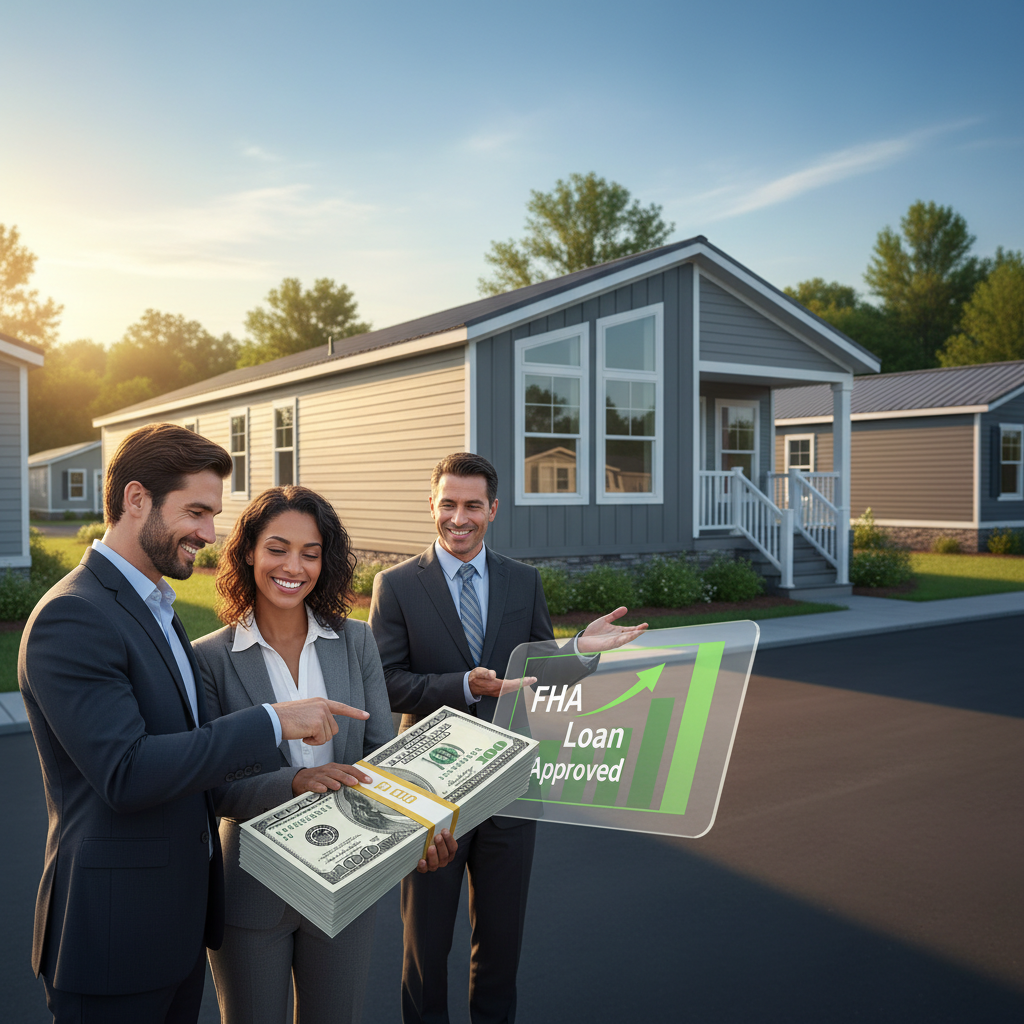

Buying a modular home with an FHA loan is indeed possible, as FHA loans are designed to accommodate various types of housing, including modular homes. This financing option can provide an accessible pathway to homeownership for many individuals and families, especially those with low to moderate incomes. In this article, we will explore the requirements, advantages, and considerations of using an FHA loan for your modular home purchase, ensuring you have all the necessary information to make an informed decision.
Understanding FHA Loans
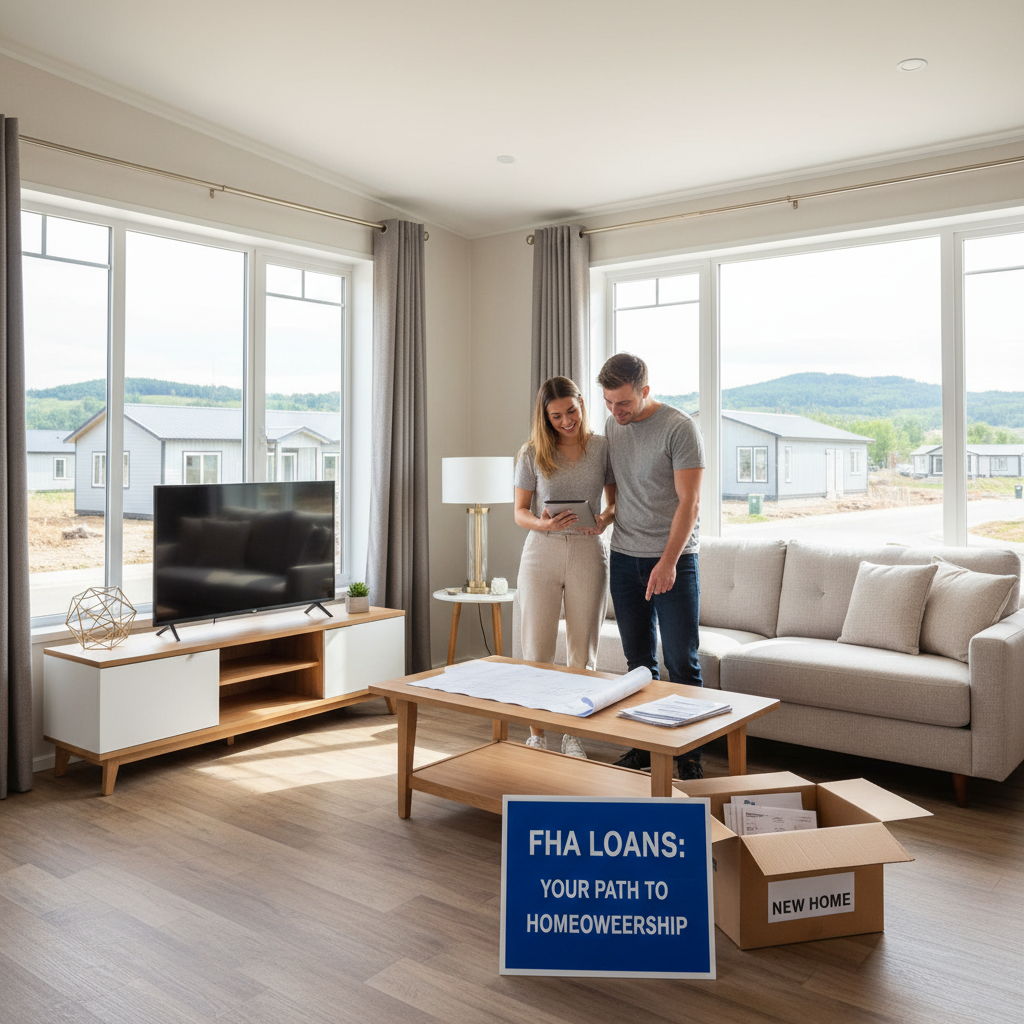
FHA loans, or Federal Housing Administration loans, are government-backed mortgages aimed specifically at helping low-to-moderate income buyers achieve homeownership. One of the most attractive features of FHA loans is their lower down payment requirements, which can be as low as 3.5% of the purchase price. This is particularly beneficial for first-time homebuyers who may struggle to save a larger sum. Furthermore, FHA loans typically have more flexible credit score requirements compared to conventional loans. While traditional lenders often require a credit score of 620 or higher, FHA lenders may approve loans for borrowers with scores as low as 580, or even lower in some cases with a larger down payment.
The appeal of FHA loans extends beyond their accessibility; they also offer competitive interest rates and favorable loan terms that can significantly ease the financial burden on borrowers. Additionally, these loans come with mortgage insurance premiums that protect the lender, making them a safer choice for banks and other lending institutions. Therefore, FHA loans represent a viable option for many who wish to invest in a modular home.
Modular Homes Explained
Modular homes are factory-built structures constructed to meet the same building codes and standards as traditional homes. Unlike mobile homes, which are often considered personal property, modular homes are classified as real estate because they are permanently affixed to a foundation. This distinction is crucial when considering financing options. Modular homes come in a variety of styles and sizes, ranging from single-story models to expansive multi-level designs, which makes them an appealing choice for many homebuyers seeking customization and efficiency in their living spaces.
The construction process of modular homes is streamlined, allowing for quicker build times compared to traditional stick-built homes. Additionally, the use of advanced technology and materials in factories leads to higher energy efficiency and lower long-term maintenance costs. As a result, many homebuyers are turning to modular homes not only for their affordability but also for their sustainability and modern aesthetics.
FHA Loan Requirements for Modular Homes
To qualify for an FHA loan for a modular home, borrowers must meet specific criteria. The FHA requires a minimum credit score, typically around 580, although some lenders may accept lower scores with a higher down payment. Furthermore, borrowers must maintain a debt-to-income (DTI) ratio of no more than 43%, which ensures that they do not take on more debt than they can handle.
It is also imperative that the modular home be permanently affixed to a foundation, as this is a fundamental requirement for FHA financing. The home must adhere to FHA’s minimum property standards, which include safety, security, and soundness, to ensure the property is suitable for habitation. Additionally, the home must be located in an area that is not deemed to be subject to significant flooding or other natural disasters without appropriate insurance coverage.
Benefits of Using an FHA Loan for Modular Homes
Utilizing an FHA loan for purchasing a modular home offers several benefits. One of the primary advantages is the lower down payment option, which can be as low as 3.5%. This feature is particularly appealing for first-time homebuyers who may not have substantial savings set aside for a traditional down payment.
Moreover, FHA loans provide competitive interest rates and favorable loan terms, making them an economical choice for many borrowers. The long repayment periods available with FHA loans also help to keep monthly payments manageable. Additionally, the mortgage insurance premiums required for FHA loans can often be lower than those associated with conventional loans, further enhancing the affordability of this financing option.
Another significant benefit is the ability to finance closing costs within the loan amount. This means that buyers may not need to have a substantial amount of cash on hand at closing, which can be a significant hurdle for many homebuyers.
Potential Challenges and Considerations
While FHA loans present many opportunities for potential homeowners, they also come with challenges and considerations. One notable issue is the limited availability of FHA-approved modular home dealers. Not all manufacturers or builders are approved by the FHA, which can restrict your options when selecting a modular home. It is essential to do thorough research and ensure that the homebuilder you choose is recognized by the FHA to avoid complications during the financing process.
Additionally, the FHA may require more extensive paperwork and inspections than conventional loans. This can include additional documentation to verify income and employment, as well as property inspections to ensure compliance with FHA standards. These requirements can lengthen the home purchasing process and may lead to delays, which could be frustrating for buyers eager to move into their new home.
Steps to Secure an FHA Loan for a Modular Home
If you are considering purchasing a modular home with an FHA loan, there are several important steps to follow. First and foremost, it is advisable to get pre-approved by an FHA-approved lender. This step will give you a clear understanding of your budget and strengthen your position when negotiating with sellers.
Next, research and choose a modular home that meets FHA guidelines. This means ensuring that the home is permanently affixed to a foundation and adheres to all necessary building codes. Be sure to consult with your lender regarding any specific requirements they may have for the modular home you wish to purchase.
Once you have identified a suitable home, you will need to submit your loan application along with the required documentation. Be prepared for the lender to conduct their appraisal and inspections to verify the home’s condition and value. If everything checks out, you will be on your way to securing your modular home through an FHA loan.
Alternatives to FHA Loans for Modular Homes
While FHA loans are an excellent option for many homebuyers, alternatives do exist for those who may not qualify for FHA financing. Conventional loans may be an option, though they typically require higher credit scores and larger down payments, making them less accessible for some buyers.
Another alternative is VA loans, which are available to eligible veterans and active-duty service members. VA loans offer several advantages, including no down payment requirement and no private mortgage insurance, making them a highly attractive option for qualifying individuals interested in purchasing modular homes.
In summary, buying a modular home with an FHA loan is a feasible option that can offer numerous benefits to homebuyers. The accessibility of FHA loans, combined with the versatility and appeal of modular homes, makes this financing method an attractive choice for many. If you’re considering this route, start by getting pre-approved and researching FHA guidelines for modular homes to ensure a smooth purchasing process. With careful planning and the right information, you can successfully navigate the exciting journey of homeownership.
Frequently Asked Questions
Can you buy a modular home with an FHA loan?
Yes, you can buy a modular home with an FHA loan, provided it meets specific criteria. The Federal Housing Administration (FHA) insures loans for modular homes if they are constructed in accordance with HUD standards and are placed on a permanent foundation. Additionally, the home must be classified as real property and not personal property, which is essential for the FHA loan approval process.
What are the eligibility requirements for using an FHA loan to purchase a modular home?
To qualify for an FHA loan for a modular home, buyers must meet certain eligibility requirements, including a minimum credit score of 580 for a 3.5% down payment or 500 for a 10% down payment. Additionally, the borrower’s debt-to-income ratio should not exceed 43%, and they must demonstrate steady income and employment history. It’s also important that the modular home meets FHA guidelines regarding safety and structural integrity.
How does the FHA loan process work for buying a modular home?
The FHA loan process for purchasing a modular home typically begins with pre-approval from an FHA-approved lender. Once pre-approved, buyers can search for eligible modular homes that meet FHA standards. After selecting a home, the buyer submits a loan application, and the lender conducts an appraisal and inspection to ensure the home meets FHA requirements. Upon approval, the loan closes, and the buyer can take possession of the home.
What are the advantages of using an FHA loan to buy a modular home?
One of the main advantages of using an FHA loan to buy a modular home is the low down payment requirement, which can be as low as 3.5%. Additionally, FHA loans are accessible to borrowers with lower credit scores compared to conventional loans, making homeownership more attainable. Furthermore, FHA loans offer competitive interest rates and can cover both the home purchase and any necessary upgrades or modifications.
Which types of modular homes qualify for FHA financing?
For FHA financing, modular homes must be built in accordance with the HUD Code and placed on a permanent foundation. This includes single-section and multi-section homes that are affixed to land owned by the borrower. It’s crucial that the home is classified as real estate rather than personal property, which means it should not be movable and must have utilities connected. Always consult with your lender to ensure the specific home meets FHA guidelines.
References
- https://www.hud.gov/program_offices/housing/rmra/mhp/mhfinancing
- https://www.fha.com/fha_loan_types
- https://www.nahb.org/Other/Consumer-Resources/Buying-a-Manufactured-Home
- When can I remove private mortgage insurance (PMI) from my loan? | Consumer Financial Protection …
- https://www.hud.gov/program_offices/comm_planning/affordablehousing/
- https://www.fha.com/fha_loan_limits
- https://www.investopedia.com/terms/m/manufactured-home.asp
- https://www.nolo.com/legal-encyclopedia/manufactured-homes-fha-loans-29770.html