

If you owe taxes, getting a home loan can be challenging, but it is not impossible. Lenders will consider various factors, including the amount owed and your overall financial situation. Fortunately, understanding the intricacies of the lending process and preparing adequately can significantly improve your chances of securing a home loan despite tax debts. In this article, we’ll explore the conditions under which you might still qualify for a home loan, along with some strategies to enhance your approval prospects.
Understanding Lender Concerns
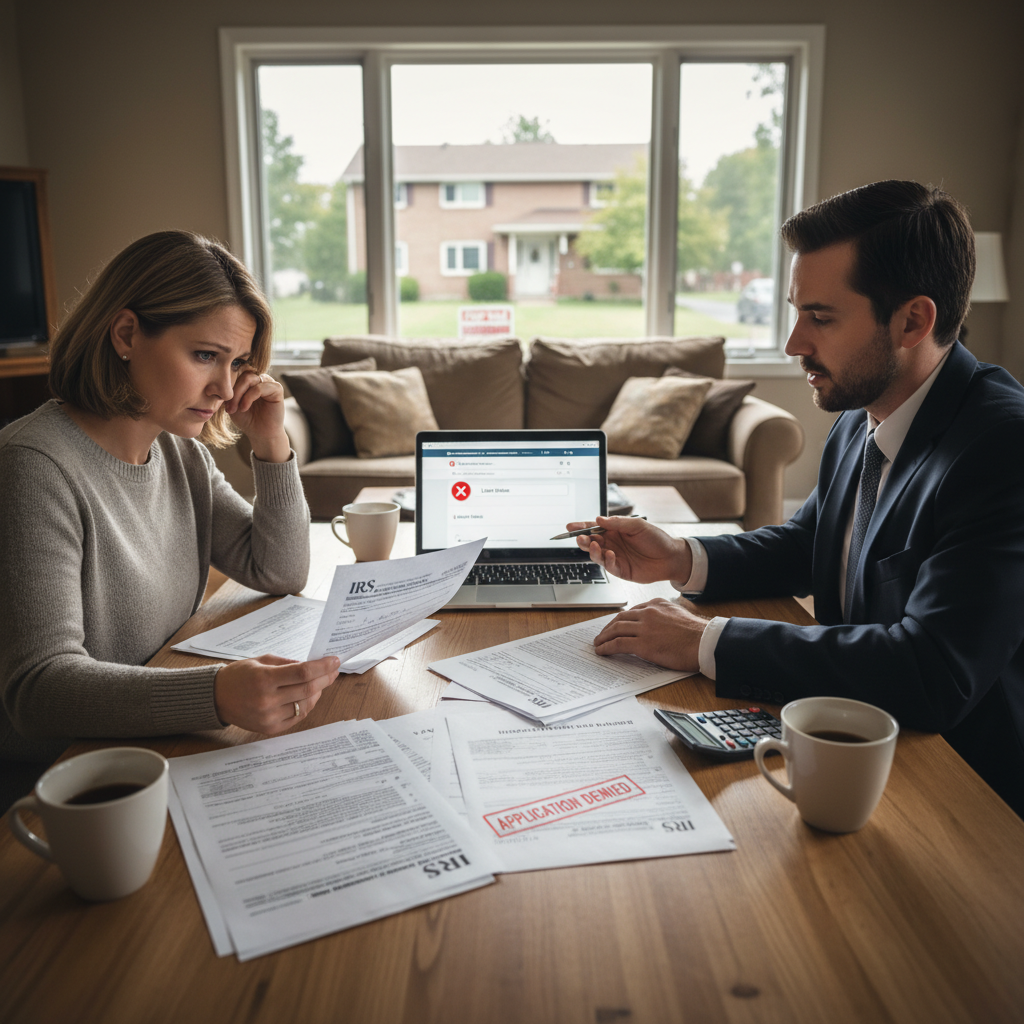
Lenders typically view tax debt as a risk factor, as it may indicate financial instability. When assessing your loan application, they will scrutinize any outstanding tax liabilities, as unresolved debts can raise red flags regarding your reliability as a borrower. The lender’s primary concern is whether you can repay the loan, and tax debts can signal a potential inability to manage financial obligations.
Your credit score will also be a major consideration; a higher score can help offset concerns about tax debt. A good credit score demonstrates a history of responsible borrowing and repayment, which can reassure lenders that you are likely to honor your mortgage payments. It’s worth noting that while tax debts can negatively impact your credit score, the effects vary based on the overall financial picture. For example, if you have a solid credit history and relatively low other debts, lenders might be more inclined to overlook your tax situation.
Types of Home Loans Available
When it comes to securing a home loan with tax liabilities, understanding the different types of loans available is crucial. Conventional loans may be harder to secure if you have tax liabilities, but options still exist. These loans typically require a higher credit score and a lower debt-to-income ratio, making it essential to demonstrate your financial stability through other means, such as substantial savings or a strong income.
FHA loans, backed by the Federal Housing Administration, are generally more flexible and may accommodate borrowers with tax debts under certain conditions. For instance, the FHA allows for the consideration of a payment plan for your tax debts, which can show lenders that you are actively managing your obligations. This flexibility can make FHA loans a viable option for many borrowers who may be struggling with tax liabilities.
Importance of a Debt-to-Income Ratio
Lenders often use the debt-to-income (DTI) ratio to evaluate your ability to repay a loan. This ratio compares your monthly debt payments to your gross monthly income, providing a clear picture of your financial health. A lower DTI means you are using a smaller portion of your income to pay debts, which makes you a more attractive candidate for a home loan.
To improve your chances of loan approval, focus on reducing other debts before applying. For instance, paying off credit card balances or personal loans can significantly reduce your DTI. Additionally, if you can increase your income through side jobs or asking for a raise, that can also enhance your DTI ratio. Lenders typically prefer a DTI of 43% or lower, but the lower, the better.
Strategies to Improve Loan Approval Chances
If you owe taxes and are seeking a home loan, there are several proactive strategies you can implement to improve your approval chances. One effective approach is to set up a payment plan with the IRS. This not only helps you manage your tax liabilities but also demonstrates to lenders that you are taking responsibility for your debts. Having a formal payment arrangement can reassure lenders that you are committed to resolving your financial obligations.
Additionally, document your income stability and savings. Providing proof of consistent income through pay stubs or tax returns can help lenders see that you have the means to make your mortgage payments. Furthermore, showcasing a healthy savings account can provide additional security to lenders, indicating that you have a financial cushion for emergencies.
Preparing Your Financial Documents
Preparation is key when applying for a home loan, especially if you owe taxes. Gather relevant documents such as tax returns, proof of payment plans, and income statements. Being transparent about your tax situation can build trust with potential lenders. For example, if you have entered a payment plan with the IRS, include that documentation with your loan application to show that you are actively addressing your tax liabilities.
In addition to tax-related documents, ensure you have all necessary paperwork regarding your income, assets, and current debts. This comprehensive preparation can help streamline the lending process and present you as a well-organized applicant.
Alternatives to Traditional Home Loans
If conventional loans or FHA loans do not seem like feasible options for you, consider exploring alternatives like VA loans or USDA loans. VA loans, available to veterans and active-duty military personnel, may offer more lenient criteria regarding tax liabilities. Similarly, USDA loans, designed for rural homebuyers, can provide financing with favorable terms and less stringent credit requirements.
Additionally, consider working with a credit union or local bank that may offer more personalized service. These institutions often have more flexibility in their lending criteria and may be willing to work with you on a case-by-case basis, especially if you have been a long-time member or customer.
Your tax debt doesn’t have to be an insurmountable barrier to homeownership. By understanding lender concerns, exploring various loan types, and taking proactive steps to improve your financial profile, you can increase your chances of securing a home loan. Take the first step by assessing your financial situation and gathering the necessary documents today. With the right preparation and knowledge, achieving your dream of homeownership is still within reach.
Frequently Asked Questions
Can I qualify for a home loan if I owe back taxes?
Yes, it is possible to qualify for a home loan even if you owe back taxes, but it will depend on several factors. Lenders typically assess your overall financial situation, including your credit score, debt-to-income ratio, and whether you have a payment plan in place with the IRS. If you are making regular payments on your tax debt, it may improve your chances of securing a mortgage.
What types of home loans are available for borrowers with tax debts?
Borrowers with tax debts may have access to various types of home loans, including FHA, VA, and conventional loans, depending on their creditworthiness and financial situation. FHA loans are often more forgiving of past tax issues, while VA loans require a clean credit history. It’s essential to consult with lenders to explore your options and find the best loan type that suits your circumstances.
How do tax debts affect my credit score when applying for a mortgage?
Tax debts can negatively impact your credit score if they result in a tax lien, which is a public record that lenders may view as a red flag. While unpaid taxes are not directly reflected in your credit report, a lien can lower your score and affect your ability to secure a mortgage. Paying off tax debts and ensuring that any liens are released can help improve your creditworthiness before applying for a home loan.
Why do lenders care about tax debt when considering a mortgage application?
Lenders are concerned about tax debt because it indicates potential financial irresponsibility or instability, which increases the risk of lending. Tax debts suggest that a borrower may struggle to meet their financial obligations, including monthly mortgage payments. By assessing your tax status, lenders can better gauge your overall financial health and likelihood of defaulting on the loan.
What steps can I take to improve my chances of getting a home loan with tax debt?
To improve your chances of securing a home loan while having tax debt, first, ensure you are current on all payments and, if possible, enter into an IRS payment plan. Secondly, work on improving your credit score by paying down other debts and making timely payments. Lastly, gather documentation that shows your financial stability, such as pay stubs, bank statements, and all correspondence regarding your tax debt, to present a comprehensive picture to potential lenders.
References
- https://www.consumerfinance.gov/ask-cfpb/can-i-get-a-mortgage-if-i-owe-taxes-questions/
- https://www.irs.gov/newsroom/can-you-get-a-loan-while-you-owe-back-taxes
- https://www.hud.gov/program_offices/housing/sfh/ins/loanapp
- https://www.nolo.com/legal-encyclopedia/using-fha-loan-with-tax-liens-29703.html
- https://www.investopedia.com/articles/personal-finance/102914/can-you-get-mortgage-tax-lien.asp