

You can indeed obtain student loans for summer classes, provided you meet certain eligibility criteria set by lenders and your educational institution. Many students find summer courses beneficial for accelerating their degree completion or lightening their course load during the regular academic year. However, navigating the financial landscape for summer classes requires understanding how student loans work in this context, the types of loans available, and the implications of borrowing. In this article, we’ll explore how summer classes fit into your overall academic financing, the types of loans available, and important considerations to keep in mind.
Understanding Student Loan Eligibility
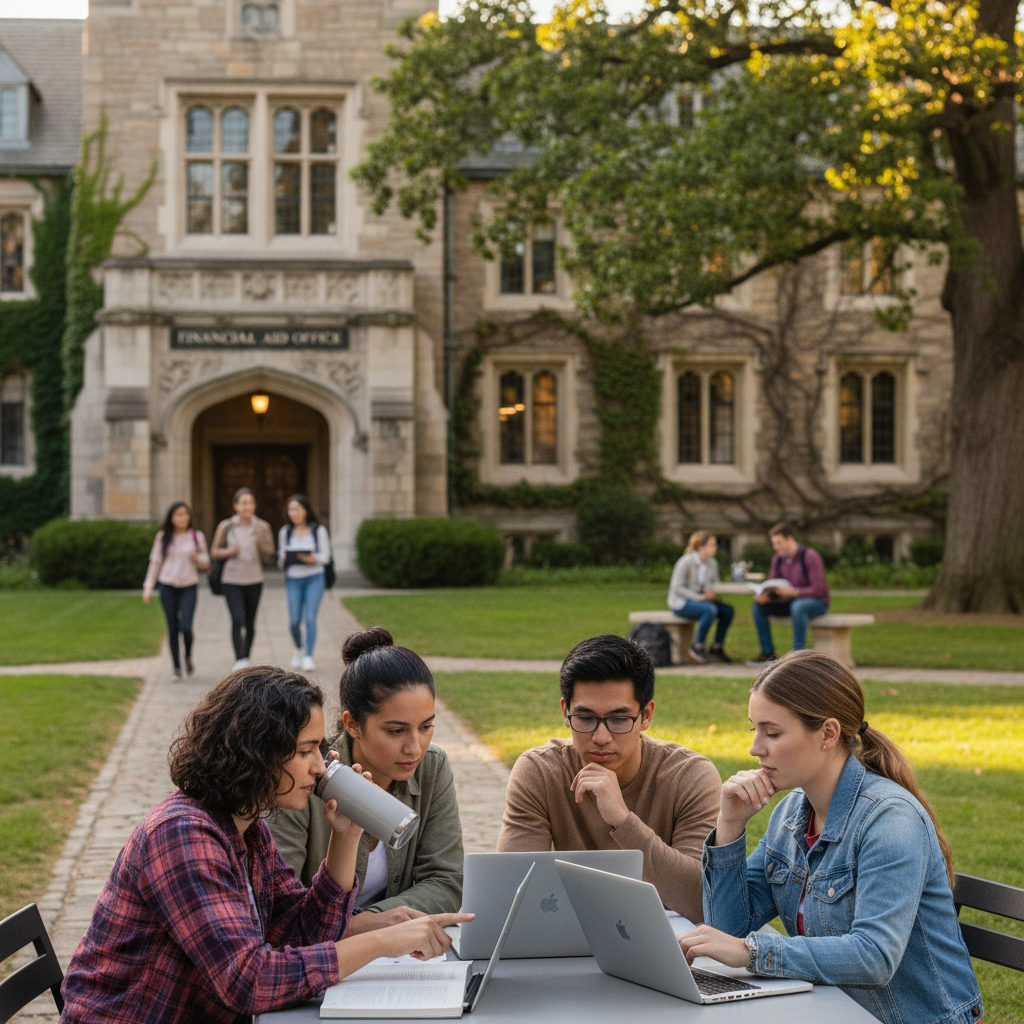
Eligibility for student loans, particularly for summer classes, primarily hinges on your enrollment status. Most lenders require students to be enrolled at least half-time, which typically means taking at least six credit hours per semester. This requirement is crucial as it determines the amount of financial aid you may qualify for.
Federal student loans are another avenue, but they come with specific stipulations. For instance, you must be enrolled in a school that participates in federal student aid programs to be eligible for Federal Direct Loans. It’s also important to note that some institutions might have their own guidelines regarding summer enrollment; therefore, confirming with your school’s financial aid office is a wise first step. Additionally, students who have already exhausted their loan limits during the standard academic year may face restrictions, making it essential to understand your total borrowing capacity.
Types of Student Loans Available
When it comes to funding summer classes, there are primarily two types of loans to consider: Federal Direct Loans and Private Loans.
Federal Direct Loans are the most common option for students. These loans are available to undergraduate and graduate students regardless of their enrollment period. The main advantage of Federal Direct Loans is that they often come with lower interest rates compared to private loans and offer flexible repayment options, such as income-driven repayment plans. Notably, Direct Subsidized Loans do not accrue interest while you’re enrolled at least half-time and during the grace period.
On the other hand, Private Loans are offered by banks, credit unions, and other financial institutions. These loans can be a viable option when federal loans are insufficient to cover your educational expenses. However, private loans typically have stricter credit requirements, and interest rates can vary significantly. It’s essential to carefully review the terms and conditions, as repayment plans and interest rates can differ from federal options.
How to Apply for Summer Student Loans
Applying for student loans to fund summer classes involves a few essential steps. The first step is to check with your school’s financial aid office, as they often have specific summer loan applications and guidelines tailored to their programs. This is crucial, as different institutions may have varying policies regarding summer funding.
After confirming your eligibility with your school, you should complete the FAFSA (Free Application for Federal Student Aid). The FAFSA is vital not only for determining your eligibility for federal aid but also for some state and institutional aid programs. It’s advisable to fill out the FAFSA as early as possible to maximize your financial aid opportunities. Once you’ve submitted your application, your school will provide you with a financial aid package outlining the types and amounts of aid available to you, including any summer loans.
Key Considerations When Borrowing
Before taking on student loans for summer classes, it’s crucial to understand the financial implications. Start by reviewing the interest rates and repayment terms associated with each loan option. Federal loans generally offer lower interest rates and more favorable repayment terms compared to private loans, which can significantly affect your future financial situation.
Additionally, consider how taking summer classes will impact your overall academic timeline. For instance, if you plan to graduate early by taking summer courses, it may be financially beneficial in the long run. However, ensure that the courses align with your degree requirements to avoid unnecessary expenses or delays. Assessing your financial situation holistically, including current debts and projected future income, will help you make informed borrowing decisions.
Potential Impact on Financial Aid
Taking summer classes can have significant implications for your overall financial aid package. For example, if you receive federal aid during the regular academic year, enrolling in summer classes may affect your eligibility for future aid. It could lead to changes in your financial aid status or even result in a recalculation of your financial need.
Furthermore, students must maintain Satisfactory Academic Progress (SAP) to continue receiving federal aid. This means that your performance in summer classes could impact your standing for future semesters. It’s essential to be aware of your school’s SAP requirements and ensure that enrolling in summer courses will not jeopardize your aid eligibility.
Tips for Managing Student Loans
Once you’ve secured student loans for summer classes, developing a solid management strategy is paramount. Begin by creating a budget that outlines your expected expenses and income while in school. This budget should include tuition, books, living expenses, and loan payments. By planning ahead, you can ensure that you’re not only able to cover your costs during the summer session but also manage your loan payments effectively post-graduation.
Additionally, explore various loan repayment options. Federal loans offer income-driven repayment plans that adjust your monthly payments based on your income, which can be especially helpful if you anticipate a lower starting salary after graduation. Understanding these options ahead of time will prepare you for managing your debt responsibly and confidently.
In conclusion, obtaining student loans for summer classes is certainly possible, but it requires careful consideration of eligibility, loan types, and repayment strategies. By understanding the nuances of student loans, checking with your financial aid office, and planning your budget, you can make informed financial decisions that support your academic goals. If you’re planning to take summer courses, reach out to your financial aid office and explore your options to ensure you make the best choices for your educational journey.
Frequently Asked Questions
Can I get federal student loans for summer classes?
Yes, you can receive federal student loans for summer classes if you are enrolled at least half-time in an eligible degree program. To qualify, ensure that your school has a summer financial aid application process in place, as you may need to complete a Free Application for Federal Student Aid (FAFSA) for the summer term. Additionally, keep in mind that your total loan eligibility will be based on your remaining loan limits for the academic year.
How do I apply for student loans for summer classes?
To apply for student loans for summer classes, start by completing the FAFSA for the current academic year, if you haven’t already. After that, contact your school’s financial aid office to inquire about any specific summer loan applications or requirements. They can guide you through the process and inform you about the types of loans available, including federal and private options.
What types of student loans are available for summer classes?
There are several types of student loans available for summer classes, including federal Direct Subsidized and Unsubsidized Loans, as well as PLUS Loans for graduate students or parents. Some students may also consider private student loans, which can offer additional funding but typically require a credit check. Be sure to evaluate the terms and interest rates of each option to find the best fit for your financial situation.
Why should I consider taking summer classes with student loans?
Taking summer classes with student loans can help you accelerate your degree progress, allowing you to graduate sooner and potentially reduce the overall cost of your education. Additionally, it gives you the opportunity to focus on difficult courses without the distraction of a full course load during the regular semesters. However, it’s important to weigh the costs of borrowing against the benefits of finishing your degree early.
Which factors should I consider before taking out student loans for summer classes?
Before taking out student loans for summer classes, consider factors such as your total loan debt, the interest rates, and repayment terms of the loans you are considering. Additionally, evaluate the number of credits you plan to take and how they align with your academic goals. Lastly, assess your financial situation to ensure that you can manage any potential loan repayments after graduation without undue stress.
References
- Federal Student Aid
- https://www.ed.gov/students/preparing/college/financial-aid-options
- https://www.nasfaa.org/news-item/28069/what_you_need_to_know_about_summer_financial_aid
- Your Guide for College Financial Aid – Finaid
- https://www.universityaffairs.ca/features/feature-article/what-you-need-to-know-about-summer-study-loans/
- https://www.collegeboard.org/financial-aid
- https://www.nerdwallet.com/article/loans/student-loans-summer-classes
- Blog – Campus Explorer