

Skin biopsy costs can vary significantly based on your insurance plan, but generally, you can expect to pay anywhere from $50 to $300 out-of-pocket, depending on your deductible, copay, and the specific type of biopsy performed. Understanding the nuances of your insurance coverage and the type of biopsy being conducted is essential for anticipating potential costs. In this article, we will explore factors influencing the cost, what your insurance may cover, and other important considerations to help you navigate your expenses effectively.
Understanding Skin Biopsy Types
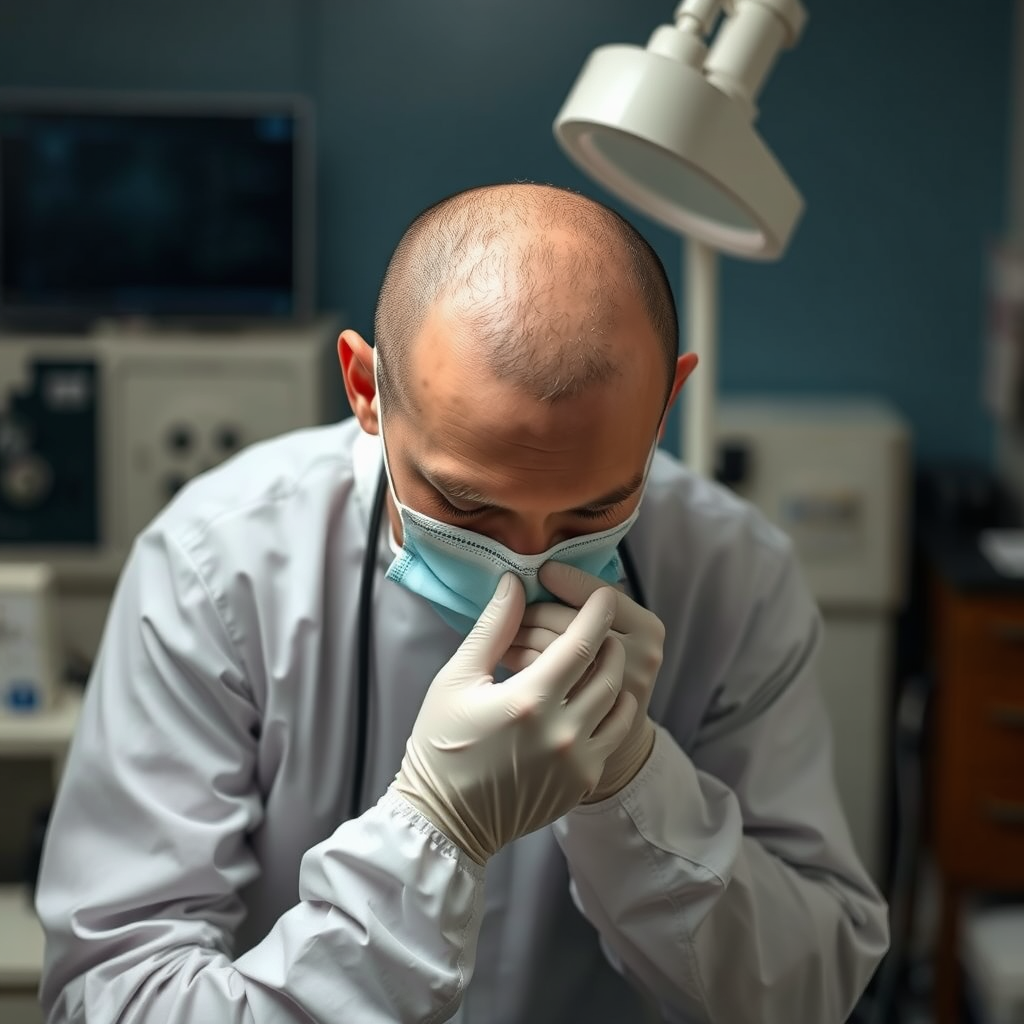
Skin biopsies are essential procedures for diagnosing various dermatological conditions, ranging from benign growths to malignant tumors. They come in several types, each with distinct procedures, cost implications, and diagnostic capabilities. The three most common types of skin biopsies are:
1. Shave Biopsy: This method involves shaving off the top layers of skin using a scalpel. It is typically less invasive and is often used for superficial lesions. The cost for a shave biopsy generally falls on the lower end of the spectrum, often ranging from $50 to $150, depending on the insurance plan and facility.
2. Punch Biopsy: A punch biopsy uses a circular tool to remove a deeper section of skin, providing a cross-section of the tissue. This type is more comprehensive than a shave biopsy and can cost between $100 and $250, depending on the complexity of the procedure and the specific billing practices of the healthcare provider.
3. Excisional Biopsy: This is a more invasive procedure where the entire lesion and some surrounding tissue are removed for analysis. Given its complexity and the need for more extensive lab analysis, excisional biopsies tend to be the most expensive, with costs ranging from $200 to $500.
The complexity of the biopsy and the necessity for laboratory analysis can greatly influence the overall pricing. In addition, some biopsies may require additional procedures such as suturing, which can further increase costs.
Factors Influencing Cost
Multiple factors can affect the cost of a skin biopsy when you have insurance. One of the primary influences is the specifics of your insurance coverage. Each plan has its own set of deductibles, copays, and out-of-pocket maximums that can significantly impact your final bill. For example, if your deductible has not been met, you may need to pay the full cost of the procedure until you reach that threshold.
Geographic location also plays a crucial role in determining biopsy costs. Urban centers tend to have higher fees due to the cost of living and increased overhead for healthcare providers. Conversely, rural areas may offer more competitive pricing. For instance, a skin biopsy in New York City may cost significantly more than one in a smaller town in the Midwest. Additionally, different healthcare providers may charge varying fees; thus, it can be beneficial to compare costs across several clinics or dermatology offices.
What Insurance Typically Covers
Most insurance plans do cover medically necessary skin biopsies, which are typically deemed essential for diagnosis and treatment. However, coverage can vary significantly depending on the specifics of your plan. Some insurance policies may require prior authorization, while others may have limits on the number of procedures covered within a given timeframe.
It’s crucial to check your policy details to understand specific coverage limits and requirements. For instance, if your biopsy is deemed cosmetic rather than medically necessary, your insurance may not cover it at all, leaving you with the full cost to bear. Always confirm with your insurance provider whether your biopsy is covered and what the prerequisites are for coverage.
Out-of-Pocket Expenses
In addition to the direct costs associated with the biopsy procedure itself, patients may face additional out-of-pocket expenses. Lab fees for tissue analysis are typically billed separately and can range from $50 to $300 or more, depending on the complexity of the tests performed and the facility conducting the analysis. Follow-up visits to discuss results or additional treatments may also incur further costs.
Understanding your plan’s benefits in detail can help clarify potential out-of-pocket expenses. It’s advisable to request an itemized breakdown of all anticipated costs before the procedure. This proactive approach can help you prepare both financially and mentally for the process.
Preparing for a Skin Biopsy
Preparation for a skin biopsy involves more than just scheduling the appointment; it also includes a thorough discussion of costs and insurance coverage with your healthcare provider. Before proceeding with the biopsy, it’s wise to inquire about all potential costs, including the procedure, lab analysis, and follow-up visits.
Ask your provider if they can provide an estimate based on your insurance plan. This information can help you avoid surprises when you receive your bill. Additionally, ensuring that your provider is in-network with your insurance can lead to significant savings.
Additional Financial Assistance
For patients who may face high out-of-pocket costs, various resources and financial assistance options are available. Many healthcare facilities offer patient assistance programs or payment plans to help alleviate the financial burden of medical costs. Additionally, some non-profit organizations focus on providing support for individuals facing high medical expenses related to skin conditions.
If your insurance does not cover certain biopsies or if you are underinsured, consider reaching out to these organizations for guidance. They can offer valuable resources and support to help you manage your costs effectively.
In this article, we’ve covered the essential details regarding the costs associated with skin biopsies when using insurance. If you’re facing the prospect of a skin biopsy, it’s crucial to communicate with your provider about costs and coverage to make informed decisions. Don’t hesitate to reach out to your insurance company for clarity on your specific benefits. Understanding the costs and insurance coverage surrounding a skin biopsy can empower you to make well-informed choices about your healthcare.
Frequently Asked Questions
How much does a skin biopsy typically cost with insurance?
The cost of a skin biopsy with insurance can vary significantly based on your specific insurance plan, the type of biopsy performed, and the provider’s fees. Generally, patients can expect to pay a copayment ranging from $20 to $100, while the total procedure cost may range from $200 to $3,000. It’s important to check with your insurance provider for details on coverage and out-of-pocket expenses, as many plans cover biopsies when deemed medically necessary.
What factors influence the cost of a skin biopsy with insurance?
Several factors can influence the cost of a skin biopsy with insurance, including the type of biopsy (shave, punch, or excisional), the location of the procedure, and the physician’s experience. Additionally, whether the biopsy is performed in a hospital, outpatient clinic, or specialist’s office can impact costs. It’s also essential to consider any additional lab fees for analyzing the biopsy samples, which may or may not be covered by your insurance.
Why is it important to know the cost of a skin biopsy before the procedure?
Knowing the cost of a skin biopsy before the procedure is crucial for budgeting and financial planning, especially if you have a high deductible or limited insurance coverage. Understanding the potential costs can help you avoid unexpected medical bills and allow you to discuss payment options or financial assistance programs with your healthcare provider. Additionally, being informed can empower you to make better decisions about your healthcare.
Which insurance plans typically cover the cost of a skin biopsy?
Most major health insurance plans, including employer-sponsored plans and government programs like Medicare, typically cover the cost of a skin biopsy when it is deemed medically necessary. However, coverage can vary by plan, so it’s important to review your specific policy or contact your insurance provider. Some plans may require prior authorization or have specific criteria that must be met for coverage to apply.
How can I reduce my out-of-pocket expenses for a skin biopsy with insurance?
To reduce out-of-pocket expenses for a skin biopsy with insurance, consider asking your healthcare provider about in-network specialists who may charge lower fees. Additionally, be proactive in understanding your insurance benefits, including deductibles and copayments, and inquire about any payment plans or financial assistance options available. Lastly, consider discussing the procedure’s necessity with your doctor to ensure it aligns with your insurance coverage criteria.
References
- https://www.ncbi.nlm.nih.gov/pmc/articles/PMC4426087/
- https://www.webmd.com/skin-problems-and-treatments/what-to-expect-from-a-skin-biopsy
- https://www.healthcare.gov/glossary/skin-biopsy/
- https://www.verywellhealth.com/skin-biopsy-4175566
- https://www.aad.org/public/diseases/skin-cancer/prevention/screening-biopsy
- Intrauterine insemination (IUI) – Mayo Clinic