

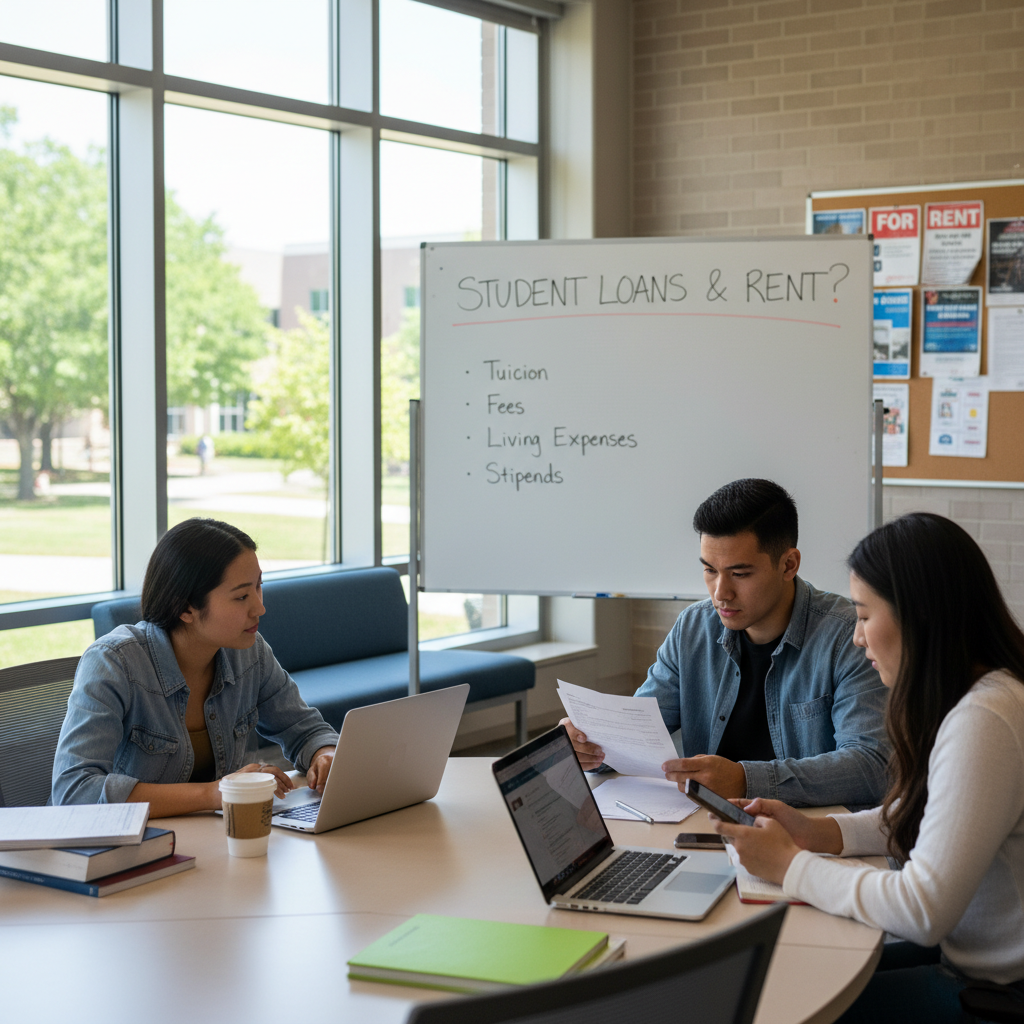
Using student loans for rent can be a viable option, but it depends on the type of loan and your financial situation. Federal student loans, particularly those classified as Direct Subsidized and Unsubsidized Loans, can be used to cover living expenses, including rent. However, it’s vital to approach this with caution, as mismanagement can lead to long-term financial repercussions. In this article, we will explore how student loans work in relation to housing costs, the implications of using them for rent, and alternative solutions for managing expenses.
Understanding Student Loans
Student loans are classified into two main categories: federal and private. Federal student loans are provided by the government and typically offer lower interest rates and more flexible repayment options. They include Direct Subsidized Loans, which do not accrue interest while you’re in school, and Direct Unsubsidized Loans, where interest begins accruing immediately. On the other hand, private loans are offered by banks or financial institutions and may come with variable interest rates and less favorable repayment terms.
Eligibility for federal student loans is often determined by financial need, and students must complete the Free Application for Federal Student Aid (FAFSA) to be considered. Borrowing limits vary by year of study and dependency status; for instance, undergraduates can borrow up to $5,500 to $12,500 annually, depending on their year and status. When it comes to disbursement, student loans are typically sent directly to the educational institution, which will apply the funds to tuition and fees first before any remaining balance is provided to the student for living expenses, including rent.
Using Student Loans for Rent
Federal student loans can indeed be allocated for living expenses, including rent, after tuition and fees have been covered. This can be especially helpful for students attending school in high-cost areas where housing expenses are significant. However, it is crucial to budget wisely to ensure that the loan money is used effectively.
When planning your budget, consider the 30% rule, which suggests that no more than 30% of your gross income (or loan funds, in this case) should be spent on housing. For example, if you receive $10,000 in student loans for the academic year, ideally, you should not allocate more than $3,000 for rent. This allows you to reserve funds for other essential expenses, such as food, transportation, and academic materials.
Implications of Using Loans for Rent
While using student loans to cover rent can alleviate immediate financial burdens, it is essential to consider the long-term implications of such a decision. Accumulating debt can impact future financial planning, as student loans need to be repaid with interest. Graduates may find themselves burdened by a significant debt load, which can affect their ability to purchase a home or save for retirement.
Additionally, using loans for rent could impact your eligibility for future financial aid. If students borrow more than what is necessary, they might find themselves over-leveraged, which can lead to a cycle of debt. This over-borrowing may result in increased monthly payment responsibilities, creating further financial strain, especially in the early stages of a career when income may be limited.
Alternatives to Using Student Loans for Rent
There are various alternatives to using student loans for rent that students should consider. Scholarships and grants can provide financial assistance that does not need to be repaid. Many colleges and universities offer special housing grants or scholarships specifically aimed at reducing living costs for students.
Part-time job opportunities can also be a practical solution. Many institutions have work-study programs that allow students to work on campus while attending classes, providing a steady income to help cover living expenses. Additionally, students can explore community resources and housing assistance programs, which may offer subsidized housing or financial support for eligible individuals.
Tips for Managing Rent While in School
Creating a comprehensive budget that includes all living expenses is crucial for financial health while in school. Begin by listing all sources of income, including student loans, part-time work, and any support from family. Next, itemize all monthly expenses, including rent, utilities, groceries, and transportation. This will help to identify areas where expenses can be trimmed or managed more effectively.
When it comes to finding affordable housing options, consider sharing accommodations with roommates to split costs. Websites and social media platforms often have listings for shared apartments or houses, which can significantly reduce individual rental expenses. Communication with landlords is also essential; discussing your situation may lead to potential negotiation on rent or payment plans that are more manageable for students.
Resources for Students
Students seeking additional support should take advantage of financial aid offices and student support services available at their institutions. These offices can provide guidance on financial literacy, budgeting, and loan management. Additionally, there are numerous online tools and calculators designed to assist students in budgeting and tracking expenses.
Furthermore, government and nonprofit organizations often have programs aimed at assisting students with housing and financial resources. Websites like the U.S. Department of Education or local housing authorities can be valuable sources of information and assistance for those in need.
In summary, while student loans can be used to cover rent, careful consideration of the long-term financial impact is crucial. Students should explore all available resources, manage their budgets wisely, and consider alternatives to minimize debt. For further guidance, reach out to your school’s financial aid office or explore local housing resources. By taking proactive steps, students can better navigate their financial landscape while pursuing their academic goals.
Frequently Asked Questions
Can student loans be used to pay for rent while in college?
Yes, student loans can be used to cover rent expenses while you’re in college. Many students use federal or private loans to help pay for living costs, including rent, as part of their overall educational expenses. It’s important to note that these loans should be used wisely, as you will need to repay them after graduation, often with interest.
What types of student loans can be used for rent payments?
Both federal and private student loans can potentially be used to pay for rent. Federal loans, such as Direct Subsidized and Unsubsidized Loans, are intended to help cover the cost of attendance, which includes housing expenses. Private student loans may also offer flexibility in how the funds are used, but it’s essential to check the lender’s terms and conditions.
How do I budget my student loans to include rent?
To budget your student loans effectively for rent, first determine your total monthly income from loans, including any grants or part-time work. Then, calculate your total monthly expenses, including rent, utilities, food, and transportation. Allocate a portion of your student loan funds specifically for rent while ensuring you leave enough for other essential living costs to avoid unexpected shortfalls.
Why should I consider using student loans for rent instead of finding a part-time job?
Using student loans for rent can provide you with the financial flexibility to focus more on your studies rather than balancing a job while attending classes. While part-time work can offer additional income, it may also lead to time constraints that affect your academic performance. However, it’s crucial to weigh the long-term implications of debt versus the benefits of earning money now.
Which is the best way to use student loans for rent without overborrowing?
To use student loans for rent without overborrowing, start by calculating your actual housing needs based on your budget and living arrangements. Only borrow what you need by researching your housing options and costs in your college area. Additionally, consider exploring scholarships, grants, or work-study programs that may help minimize your reliance on loans for rent.
References
- https://www.ed.gov/answers/finance/using-student-loans.html
- https://www.forbes.com/advisor/student-loans/how-student-loans-work/
- https://www.nasfaa.org/news-item/24680/Can_Student_Loans_Be_Used_for_Living_Expenses
- https://www.consumerfinance.gov/about-us/blog/what-you-need-know-about-student-loans/
- https://www.thecollegeinvestor.com/26472/can-you-use-student-loans-for-rent/
- https://www.washingtonpost.com/business/2021/08/12/student-loans-rent/