
Lightning damage is typically covered by most standard home insurance policies, but the specifics can vary depending on the insurer and the policy details. Homeowners should be aware that while lightning strikes can lead to extensive damage, insurance coverage often includes this peril, albeit with some nuances. In this article, we will explore how lightning damage is treated by home insurance, what types of damage are commonly covered, and what homeowners should consider when reviewing their policies.
Understanding Lightning Damage
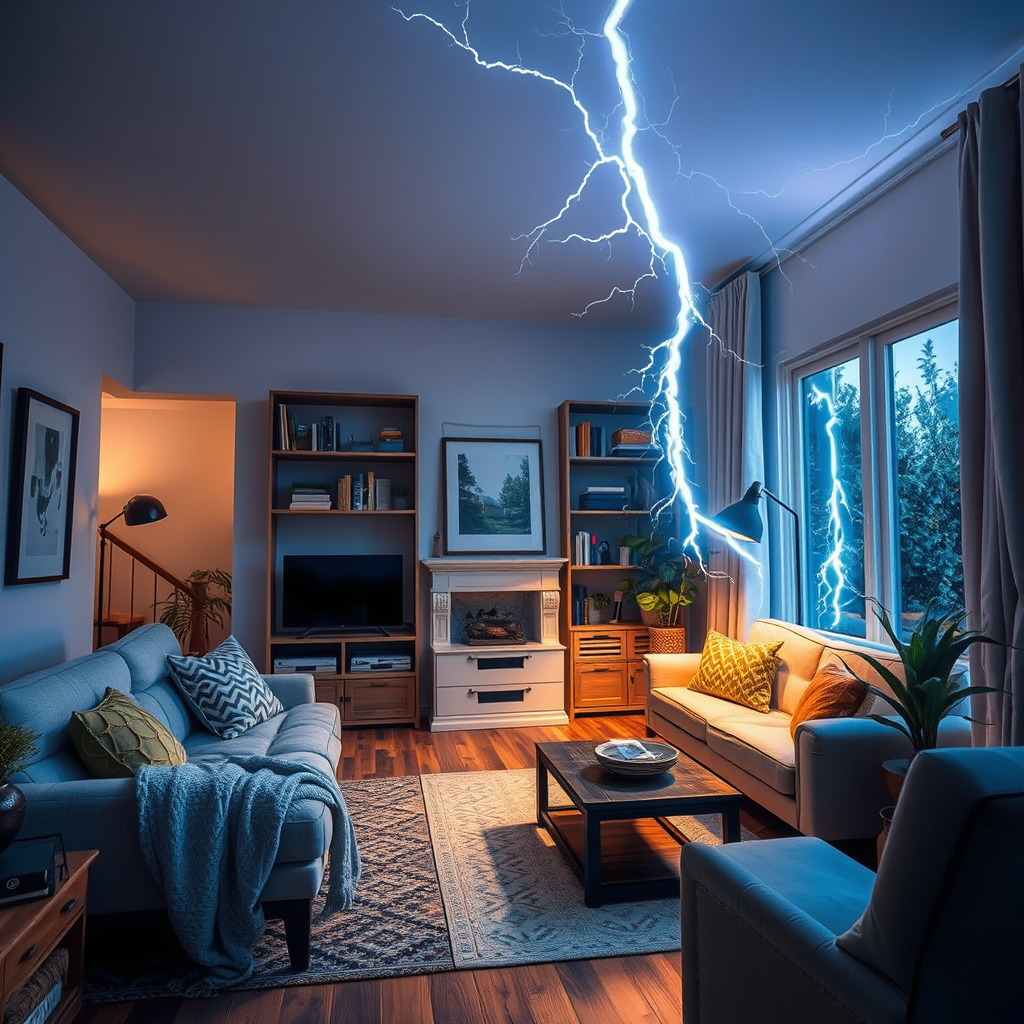
Lightning strikes can inflict severe harm on residential properties, leading to both structural damage and disruptions to electrical systems. When a lightning bolt strikes a home, it can create an electrical surge that damages wiring, appliances, and other electronic devices. The intensity of the strike can also ignite fires, which might be covered under the fire insurance provisions of a homeowner’s policy. Additionally, even homes that are not directly struck by lightning can suffer secondary damage, such as power surges from nearby strikes, which may also necessitate repairs and be covered by insurance. Understanding the potential impacts of lightning is critical for homeowners to ensure they are adequately protected.
Coverage Details in Home Insurance Policies
Most homeowners insurance policies include coverage for lightning strikes as part of their “perils” section, which outlines the events that are covered. This means that if lightning causes damage to your home, your insurance provider is likely to assist you in covering the repair costs. However, it is essential for homeowners to review their individual policies to understand any exclusions or limitations that may apply. For instance, while structural damage from a lightning strike may be covered, specific electrical surges resulting from the strike may require additional endorsements. Homeowners should also check if their policy includes coverage for personal property affected by lightning, as this can vary significantly among providers.
Types of Damage Covered
In general, coverage for lightning damage often includes several key areas. First, damage to the home structure itself, such as charred walls or roofs, is commonly covered under most standard policies. Secondly, personal property, including furniture and electronics, can also be insured against lightning strikes. For example, if a lightning strike causes a power surge that damages your television or computer, these items may be covered. Additionally, if the home becomes uninhabitable due to lightning damage—such as a fire that destroys significant portions of the dwelling—homeowners may qualify for coverage of additional living expenses (ALE). This can include costs for temporary housing and meals while repairs are underway.
Exclusions and Limitations
While many policies cover lightning damage, there can be exclusions and limitations that homeowners should be aware of. Some insurance policies may have specific exclusions regarding certain types of damage, such as indirect damage caused by power surges or equipment failures. Moreover, homeowners should be cautious of deductibles that apply to claims related to lightning damage. For instance, if a policy includes a high deductible, it may affect the feasibility of filing a claim for smaller damages. It is advisable to consult with an insurance agent to clarify these points and understand how they may impact potential claims.
Steps to Take After Lightning Strikes
In the unfortunate event of lightning damage, homeowners should take immediate action to document the harm. This includes photographing the damage and keeping detailed notes of what was affected. Such documentation can be crucial when filing an insurance claim. After assessing the damage, homeowners should contact their insurance provider as soon as possible to report the incident and initiate the claims process. Insurance companies typically require prompt reporting to ensure a smoother claims experience. Additionally, it may be beneficial to keep receipts for any emergency repairs conducted before the insurance adjuster arrives, as these may also be eligible for reimbursement.
Tips for Homeowners
To ensure adequate coverage for potential lightning damage, homeowners should review their insurance policy annually. This regular review process can help identify any gaps in coverage or necessary updates based on changes in the home or local weather patterns. For those living in areas prone to severe storms, considering additional coverage options or endorsements might also be prudent. For instance, specific endorsements for power surge protection may provide extra security against electrical damage caused by lightning strikes. Consulting with an insurance agent can provide personalized advice tailored to individual needs and circumstances.
In summary, home insurance generally covers lightning damage, but the specific coverage can vary among policies. Homeowners must take the time to understand their individual insurance agreements, including any exclusions and limitations that may apply. By staying informed and proactive, homeowners can ensure they have the necessary protection in place to mitigate the impacts of lightning damage. For personalized advice, it is always wise to consult with your insurance agent to ensure your home is adequately protected against this unpredictable natural hazard.
Frequently Asked Questions
Does home insurance cover lightning damage to my property?
Yes, standard home insurance policies typically cover damage caused by lightning strikes. This includes damage to your home’s structure, such as the roof and walls, as well as personal property like electronics and appliances if they are damaged due to a lightning-induced power surge. It’s important to review your policy details, as coverage can vary, and additional endorsements may be necessary for certain high-value items.
How can I file a claim for lightning damage on my home insurance?
To file a claim for lightning damage, start by documenting the damage with photos and notes for your records. Then, contact your insurance provider to report the incident and provide them with the necessary documentation. Your insurer may send an adjuster to assess the damage before processing your claim. Make sure to keep all receipts for repairs and related expenses, as these may be necessary for reimbursement.
Why is it important to understand my home insurance coverage for lightning strikes?
Understanding your home insurance coverage for lightning strikes is crucial because it helps you prepare for unexpected events. Knowing what is covered can prevent financial loss and ensure you have adequate protection in place. Additionally, being aware of any exclusions or limits in your policy allows you to make informed decisions about additional coverage or endorsements needed to safeguard your home effectively.
What should I do if my home insurance doesn’t cover lightning damage?
If your home insurance policy does not cover lightning damage, consider discussing your options with your insurance agent. They may suggest endorsements or supplemental policies that can provide the necessary coverage. Additionally, it may be prudent to compare different insurance providers to find a policy that meets your needs, ensuring you have adequate protection against lightning and other natural disasters.
Which types of home insurance policies provide the best coverage for lightning damage?
Comprehensive home insurance policies, such as HO-3 policies, generally offer the best coverage for lightning damage. These policies cover a wide range of perils, including lightning strikes, and protect both the dwelling and personal property. When selecting a policy, look for those that include additional features like replacement cost coverage, which can provide greater peace of mind and financial protection in the event of a lightning-related loss.
References
- Physics | NSF – U.S. National Science Foundation
- https://www.nolo.com/legal-encyclopedia/what-homeowners-insurance-covers-29828.html
- 404 – Page not found | III
- ConsumerReports.org – Page not found error – Consumer Reports
- https://www.ready.gov/prepare-for-lightning
- https://www.thebalance.com/homeowners-insurance-coverage-during-a-storm-2645601
- https://www.fema.gov/emergency-managers/risk-management/insurance/homeowners-insurance-coverage