

Building a house with a VA home loan is indeed possible and can be a fantastic opportunity for eligible veterans and active-duty service members. This loan program offers unique benefits that facilitate the financing of new construction, allowing you to create a home tailored to your needs. In this article, we’ll explore how you can utilize a VA home loan for new construction, the necessary criteria, and the detailed process involved.
Understanding VA Home Loans
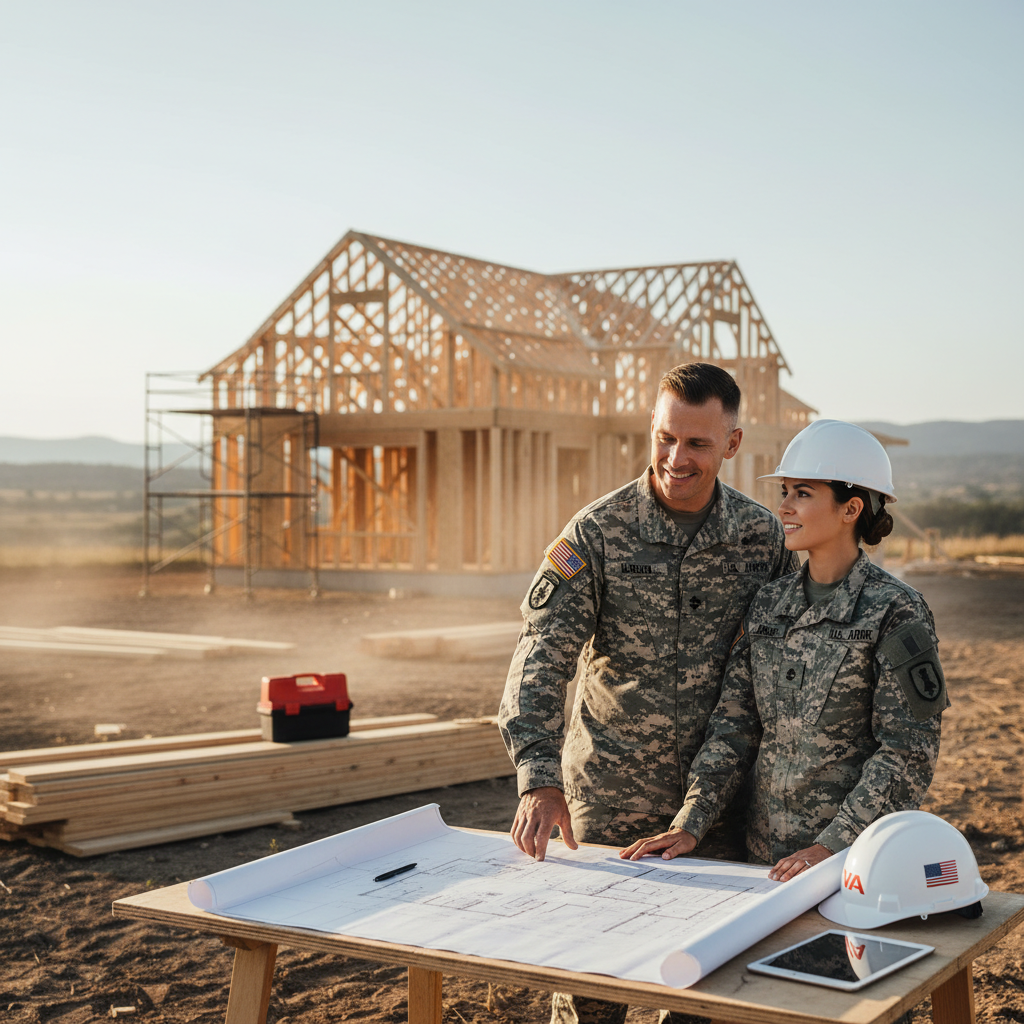
VA home loans are designed specifically to assist veterans and active-duty service members in purchasing homes with favorable terms. One of the most appealing aspects of a VA loan is that it typically requires no down payment, which significantly lowers the barrier to entry for homeownership. Additionally, VA loans often come with competitive interest rates compared to conventional loans, making them a financially advantageous choice. The program is backed by the U.S. Department of Veterans Affairs, which means lenders are more willing to offer favorable terms, as the risk is mitigated by the government guarantee.
This unique financing option not only helps veterans secure housing but also stimulates the economy by encouraging home construction and improvement. The flexibility of VA loans extends to new construction, allowing eligible borrowers to create their own homes rather than purchasing existing properties.
Eligibility Requirements for VA Home Loans
To qualify for a VA home loan, you must meet certain eligibility requirements set forth by the Department of Veterans Affairs. Firstly, you need to have served a minimum period in the military, which generally means at least 90 consecutive days of active duty during wartime or 181 days during peacetime. Additionally, those who have served in the National Guard or Reserves may also be eligible after a certain period of service.
Discharge status is also crucial; you must have received an honorable discharge or a general discharge under honorable conditions. Beyond service requirements, lenders will assess your credit score and income to ensure you can handle the loan repayments. While the VA does not have a minimum credit score requirement, most lenders prefer a score of at least 620. Therefore, maintaining a good credit profile is essential for a smooth application process.
Types of Properties Eligible for VA Loans
VA loans can be utilized to purchase a variety of properties, including single-family homes, townhouses, and certain condominiums. Importantly, newly constructed homes are also eligible, provided they meet VA standards and local building codes. This means that if you are considering building a house, it must pass a VA appraisal to ensure that it meets the necessary safety and quality standards.
Moreover, the property must be intended for your primary residence, as VA loans are not designed for investment properties or vacation homes. This focus on primary residences underscores the program’s commitment to ensuring veterans and service members have a stable place to call home.
The VA Home Loan Process for Building a New Home
The journey to building a home with a VA loan begins with obtaining a Certificate of Eligibility (COE). This document proves your eligibility for a VA loan and can typically be acquired online through the VA’s eBenefits portal or by working with your lender. Once you have your COE, the next step is to find a VA-approved lender who can guide you through the specifics of securing a construction loan.
It is crucial to choose a lender experienced in VA construction loans, as this process can differ significantly from traditional home financing. The lender will help you understand the terms, interest rates, and payment structures associated with construction loans, ensuring you are fully informed before proceeding.
Financing Options for Building a Home
When it comes to financing your new home construction with a VA loan, there are several options available. One of the most common is a VA construction loan, which covers both the purchase of land and the costs associated with building your new home. This type of loan typically has a short-term structure, allowing you to borrow funds during the construction phase, which are then converted into a permanent VA loan once the home is completed.
Alternatively, you can finance the land purchase separately and then apply for a VA loan to build the home. This approach might be beneficial if you already own the land or if you find a good deal on a plot of land that is not currently financed through a VA loan. Regardless of the path you choose, thorough planning and budgeting are essential to ensure financial stability throughout the construction process.
Working with Builders and Contractors
Selecting the right builder or contractor is a critical step in the construction process. It is essential to choose a builder who is familiar with VA loan requirements and has a proven track record of completing projects on time and within budget. Engaging a builder with experience in VA construction can help facilitate a smoother process, as they will understand the necessary inspections and appraisals required by the VA.
Before signing a contract, obtain detailed estimates and timelines to avoid any financial surprises during construction. It is also advisable to have a clear communication channel with your builder to address any concerns or changes promptly. Building a home is a significant undertaking, and having a professional team can alleviate much of the stress involved.
Potential Challenges and Considerations
While building a house with a VA loan is a viable option, there are potential challenges and considerations to keep in mind. The VA has specific requirements regarding the appraisal and inspection of newly built homes, ensuring that they meet safety and quality standards. This means that your builder must adhere to strict guidelines throughout the construction process.
Additionally, be prepared for potential delays in the construction timeline. Weather conditions, supply chain issues, or contractor availability can all contribute to project delays, which may affect loan disbursement timelines. It is crucial to remain flexible and patient, as these factors can impact your overall experience when building a new home.
Building a house with a VA home loan is a viable option for those who qualify, offering the chance to create a personalized living space while taking advantage of favorable loan terms. If you’re considering this path, start by gathering your eligibility documents, researching builders, and consulting with a VA-approved lender to navigate the process smoothly. By understanding the intricacies of VA loans and the construction process, you can turn your dream of building a new home into reality.
Frequently Asked Questions
Can you build a house with a VA home loan?
Yes, you can build a house with a VA home loan, but there are specific requirements you must meet. The VA loan program allows eligible veterans and active-duty service members to finance the construction of a new home through a construction-to-permanent loan. This type of loan covers both the construction phase and then converts to a permanent mortgage once the house is completed.
What are the eligibility requirements for using a VA loan to build a house?
To be eligible for a VA loan for building a house, you must be a veteran, active-duty service member, or an eligible surviving spouse. Additionally, you need to meet the VA’s service requirements and have a valid Certificate of Eligibility (COE). The property you intend to build must also meet certain standards established by the VA to ensure it is safe, sound, and sanitary.
How does the VA loan process work for new construction?
The VA loan process for new construction typically involves several steps. First, you’ll need to secure a builder who is VA-approved and can meet the VA’s construction guidelines. After your builder is selected, you’ll apply for the loan, providing necessary documentation, including plans and specifications for the new home. Once approved, the loan covers the cost of construction and transitions to a permanent mortgage once the home is completed.
What are the benefits of using a VA loan for building a house compared to other financing options?
One of the primary benefits of using a VA loan for building a house is that there is no down payment required for eligible borrowers, which can significantly reduce your upfront costs. Additionally, VA loans often come with lower interest rates and do not require private mortgage insurance (PMI), making them a more affordable option in the long run. These advantages can make the dream of building your own home more accessible for veterans and service members.
Which types of properties can be financed with a VA loan for new construction?
A VA loan can be used to finance a variety of property types when building a new home. Eligible properties typically include single-family homes, townhouses, and certain condominiums that meet VA guidelines. However, the property must be used as your primary residence, and it must meet the VA’s minimum property requirements to ensure safety and livability.
References
- VA-Backed Veterans Home Loans | Veterans Affairs
- https://www.consumerfinance.gov/ask-cfpb/can-i-use-a-va-loan-to-build-a-house-en-1857/
- https://www.military.com/join-armed-forces/va-home-loan-benefits.html
- https://www.hud.gov/program_offices/housing/sfh/ins/va
- https://www.nahb.org/advocacy/industry-issues/va-home-loans