

Bat removal is often not covered by standard home insurance policies, as it is considered a maintenance issue rather than sudden damage. However, there are specific circumstances under which some policies might provide coverage. In this article, we will explore the nuances of home insurance coverage regarding bat removal, the factors that influence your coverage, and what actions you should take if you encounter bats in your home.
Understanding Home Insurance Coverage
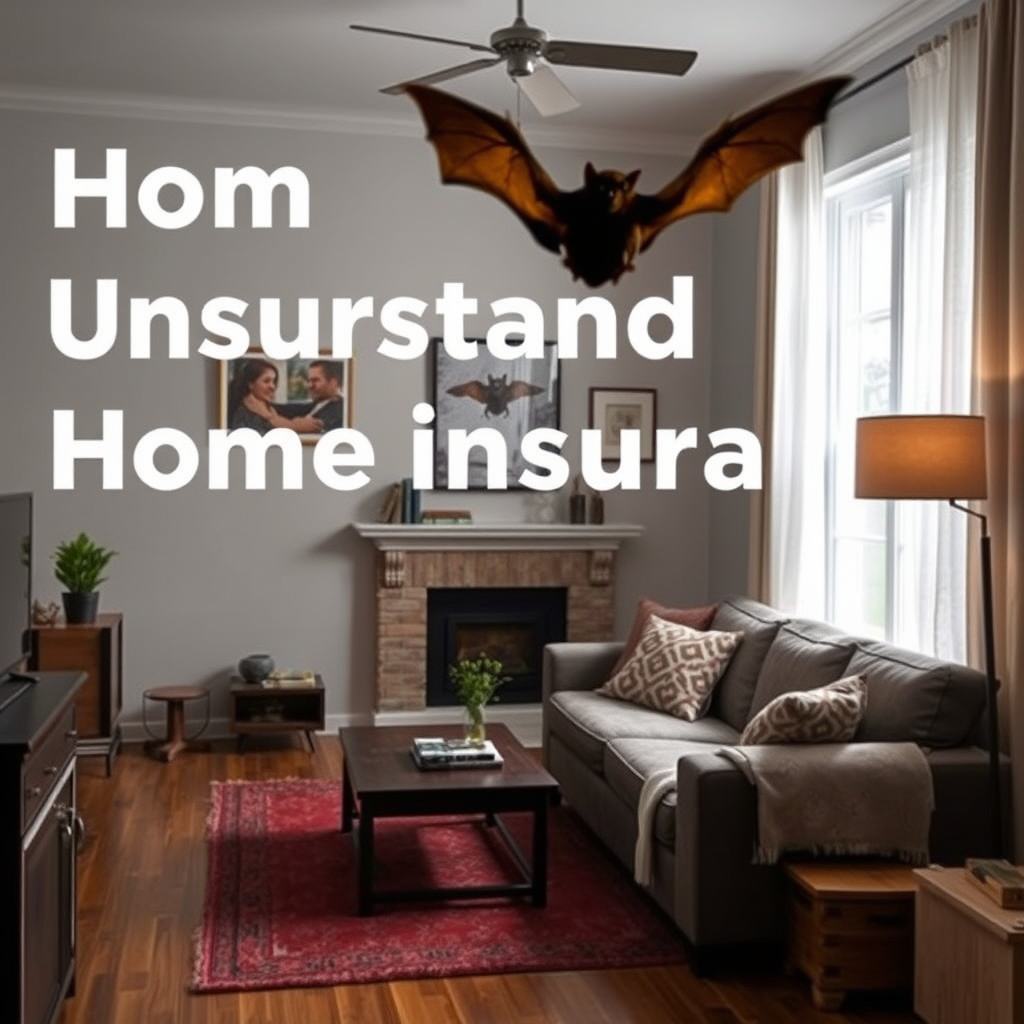
Home insurance typically covers sudden and accidental damage, such as fire, theft, or severe weather events, but not maintenance issues that arise from neglect or lack of preventive measures. Bat infestations are usually viewed as a preventable situation, which means that insurance companies may classify them as a maintenance issue rather than an insurable event. For instance, if a homeowner fails to seal potential entry points, leading to a bat infestation, the insurance provider may deny a claim based on the premise that the homeowner did not take reasonable steps to prevent the situation.
Insurance policies can differ widely in terms of their specific inclusions and exclusions, so it is crucial for homeowners to understand the general principles governing home insurance. Typically, pest infestations, including bats, may not be explicitly covered unless they lead to significant structural damage or other covered perils. This distinction is important because it will guide homeowners in understanding their responsibilities in maintaining their property and effectively managing wildlife encounters.
When Bat Removal Might Be Covered
There are scenarios where bat removal may be covered under home insurance, particularly if bats cause structural damage to your property. For example, if bats have created a colony in your attic and their droppings have led to the deterioration of wooden beams or insulation, this damage may be classified as a covered peril. In such cases, homeowners can file a claim to address the resulting structural issues.
Moreover, some insurance policies include pest infestations as a covered peril, but this is often contingent on specific terms and conditions. Homeowners should meticulously review their policy details to determine if their coverage extends to wildlife removal. It is also beneficial to consult with an insurance agent who can provide clarity on the policy’s language and any additional endorsements that might be available for pest control.
Factors Influencing Coverage
The type of home insurance policy you have can significantly affect your coverage when dealing with bat removal. Policies such as HO3 (the most common type of homeowners insurance) typically offer more comprehensive coverage compared to specialized policies like HO6 (which is designed for condominium owners). Understanding the distinctions between these policy types is essential for homeowners who wish to ensure adequate coverage.
Local laws and regulations regarding wildlife can also impact your insurance claim. In some jurisdictions, bats are protected species, and removal may need to comply with specific legal requirements. If a claim is made without adhering to these laws, it could result in denial or complications in the claims process. Homeowners should familiarize themselves with local wildlife laws, which can help them navigate potential issues with both pest control and insurance claims.
Steps to Take if You Discover Bats
If you discover bats in your home, the first step is to contact a professional pest control service that specializes in wildlife removal. Attempting to handle the situation independently can be dangerous, as bats can carry diseases such as rabies. Professional services not only ensure safe removal but also help prevent future infestations through exclusion techniques.
Once the bats have been removed, it is crucial to document any damage caused by the infestation. Take photographs of infested areas, and keep records of all expenses related to the removal and any necessary repairs. This documentation will be invaluable should you decide to file a claim with your insurance provider.
How to Check Your Policy
To determine whether your home insurance policy covers bat removal, it is essential to review your policy thoroughly for specific clauses related to pest control and wildlife removal. Look for sections that outline exclusions, as well as any endorsements that may provide additional coverage for pest infestations.
Additionally, speaking with your insurance agent can provide further clarity. They can explain the nuances of your policy, including what constitutes a covered peril and any limitations on wildlife removal claims. It’s also an opportunity to inquire about potential policy adjustments or riders that could enhance your coverage in this area.
Alternatives to Insurance Coverage
If bat removal is not covered by your insurance, consider investing in preventive measures to avoid future infestations. Regularly inspect your home for potential entry points, such as gaps in roofing, vents, and chimneys, and seal these areas to deter bats from entering. Installing bat houses away from your home can also provide a safe space for bats, encouraging them to roost outside rather than inside.
In addition, look into local wildlife removal programs that may offer assistance or resources. Many municipalities have programs aimed at educating homeowners on wildlife management and may provide subsidized removal services or materials for bat-proofing your home.
Filing an Insurance Claim
If you determine that your situation warrants an insurance claim, gather all necessary documentation, including photos of the damage, service invoices from pest control, and any correspondence with your insurance provider. Following your insurance company’s claim process is essential; however, be prepared for the possibility of denial, especially if the infestation is deemed preventable.
When filing a claim, provide a detailed account of the circumstances surrounding the infestation, including any preventive measures you had taken prior to the incident. This information can help substantiate your claim and improve the likelihood of approval.
In summary, the coverage aspects of bat removal highlight that it often falls outside standard home insurance policies. Understanding your specific policy details and taking proactive measures to prevent infestations is crucial. If you encounter bats in your home, consult a professional pest control expert for safe removal and ensure you are well-informed about your insurance options to navigate the complexities of potential claims effectively.
Frequently Asked Questions
Is bat removal covered by home insurance?
Bat removal is typically not covered by standard home insurance policies, as it is often considered a maintenance issue rather than an insurable event. However, coverage can vary by provider and policy, so it’s essential to review your specific home insurance policy or consult your insurance agent to understand the details. If damage has occurred due to bats, such as structural damage or contamination, that may be covered under certain conditions.
How can I tell if my home insurance covers wildlife removal services?
To determine if your home insurance covers wildlife removal services, carefully read your policy’s terms, particularly sections regarding pest control and damage caused by animals. Additionally, contacting your insurance provider directly can provide clarity on what is included. Ask about specific exclusions, as policies may differ significantly in their coverage for wildlife removal, including bats.
What should I do if I discover bats in my attic?
If you discover bats in your attic, the first step is to avoid direct contact and ensure safety, as bats can carry diseases. You should then contact a professional wildlife removal service that specializes in humane bat removal. Document any potential damage for insurance purposes, and check your home insurance policy to see if any related repairs might be covered.
Why might I need a professional for bat removal instead of doing it myself?
Hiring a professional for bat removal is crucial due to safety concerns and legal regulations regarding wildlife handling. Bats can carry rabies and other diseases, making it risky to handle them without proper training and equipment. Additionally, professionals can assess the situation thoroughly, ensuring that the bats are removed humanely and that entry points are sealed to prevent future infestations.
Which types of damage caused by bats might be covered by home insurance?
Home insurance may cover certain types of damage caused by bats, such as structural damage to your attic or walls, insulation contamination, and potential health risks from bat droppings (guano). It’s essential to document any damage and consult with your insurance provider to file a claim, as coverage often depends on the specific terms of your policy and the nature of the damage.
References
- https://www.nolo.com/legal-encyclopedia/does-homeowners-insurance-cover-bats-29727.html
- https://www.thebalance.com/does-homeowners-insurance-cover-bat-removal-5082054
- 404 – Page not found | III
- https://www.consumerreports.org/homeowners-insurance/homeowners-insurance-coverage-what-to-know-a35806914/
- https://www.oregon.gov/oda/shared/Documents/Publications/PestManagement/UrbanWildlifeBats.pdf