

Homeowners insurance typically covers damage caused by a lightning strike, including structural damage and loss of personal property. However, coverage can vary based on your policy details, so it’s essential to understand what is included and what might require additional coverage. In this article, we’ll explore the specifics of lightning strike coverage under homeowners insurance and what steps you can take to ensure you’re fully protected.
Understanding Homeowners Insurance Coverage
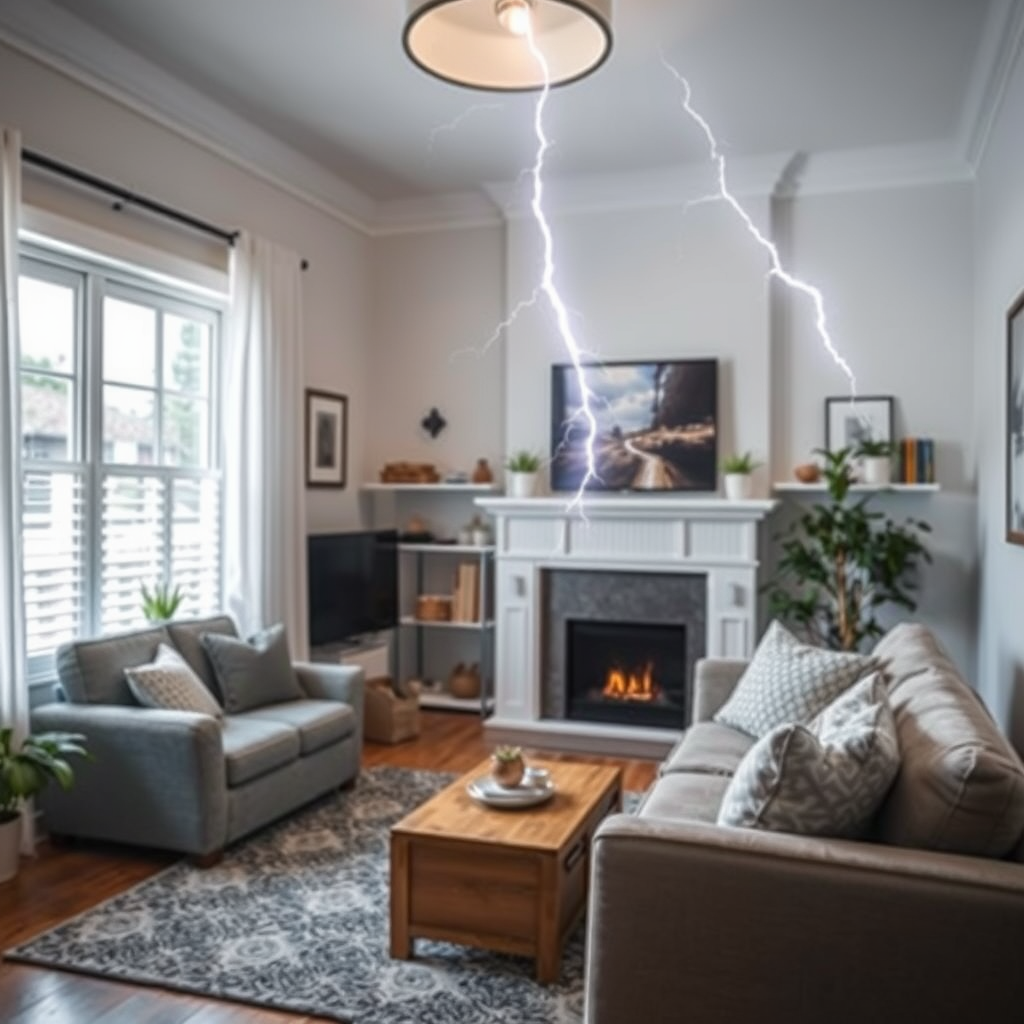
Homeowners insurance is designed to provide financial protection against a variety of risks that can impact your home and belongings. Most standard policies encompass coverage for perils such as fire, theft, vandalism, and natural disasters. Lightning strikes are generally classified as a covered peril under the “named perils” section of many homeowners insurance policies. This means that if your home sustains damage due to a lightning strike, your insurance provider will likely cover the costs associated with repairs and replacements.
However, it is crucial to read your policy documents carefully, as the specific terms and conditions can differ significantly between insurers. Some policies may include exclusions or limitations that affect coverage for lightning-related damage, so understanding the fine print is essential for ensuring comprehensive protection.
What Damage Can a Lightning Strike Cause?
Lightning strikes can lead to a range of damaging effects on your property. Understanding these potential damages can help you assess your risk and ensure adequate coverage.
– Structural Damage: A direct lightning strike can cause immediate structural damage to your home. This may include damage to the roof, siding, and even the foundation of your property. For example, if lightning strikes your roof, it can create holes or cause shingles to dislodge, leading to potential water damage and the need for extensive repairs.
– Electrical System Damage: One of the most common consequences of a lightning strike is damage to the electrical system. A powerful surge of electricity can overload wiring and damage appliances, electronics, and other devices connected to your home’s power supply. For instance, a lightning strike can fry your television, refrigerator, or computer system, leading to costly replacements.
– Fire Hazards: In some cases, lightning can ignite fires, particularly if it strikes a flammable part of the home or ignites nearby vegetation. Such fires can lead to extensive damage and pose serious safety risks.
How to File a Claim for Lightning Damage
If your home has suffered damage from a lightning strike, filing a claim with your homeowners insurance provider is the next step. Here’s how to navigate the process effectively:
– Document the Damage: Before contacting your insurer, take comprehensive photographs of the damage. Capture images of structural issues, damaged appliances, and any other affected areas. Keeping a detailed record will support your claim and help your insurer assess the extent of the damage.
– Contact Your Insurance Provider: Reach out to your insurance provider as soon as possible to report the damage. Most insurers have a specific claims process that you will need to follow. Provide them with the documentation you have collected, and be prepared to answer any questions they may have regarding the incident and the damage incurred.
– Follow Up: After submitting your claim, keep in regular contact with your insurance adjuster to monitor the progress of your claim. Be proactive in providing any additional information they may request to expedite the process.
Exclusions and Limitations in Homeowners Insurance
While homeowners insurance typically covers lightning strike damages, it is essential to be aware of potential exclusions and limitations that could affect your coverage.
– Not All Policies Are the Same: Coverage for lightning-related damages can vary widely among insurance providers. Some policies may include specific clauses that limit or exclude coverage for certain types of damage, particularly regarding electrical systems or appliances damaged by power surges.
– Additional Coverage Options: If your policy has exclusions regarding electrical damage, consider purchasing supplemental coverage. For example, you might opt for an endorsement that specifically covers damage from power surges caused by lightning. This additional coverage can provide peace of mind and protect your valuable electronics.
Tips for Protecting Your Home from Lightning Strikes
While insurance can mitigate the financial impact of lightning strikes, taking proactive steps to protect your home is equally important. Here are some strategies to consider:
– Install Lightning Rods: Consider installing lightning rods on your home. These devices are designed to safely redirect lightning strikes into the ground, reducing the risk of damage to the roof and electrical system. Professional installation ensures that the rods are positioned correctly for maximum effectiveness.
– Surge Protectors: Use surge protectors for valuable electronics and appliances. These devices can help absorb excess voltage from a lightning strike or power surge, minimizing the risk of damage. Consider investing in whole-house surge protectors for comprehensive coverage.
– Regular Maintenance: Conduct regular inspections and maintenance of your home’s electrical system to identify and address potential vulnerabilities. Ensuring that wiring is up to code and in good condition can help mitigate the risk of damage from lightning strikes.
Frequently Asked Questions about Lightning Strike Coverage
– Are there specific limits to the coverage for lightning strikes? Yes, many homeowners insurance policies have specific limits on coverage amounts for certain types of damage. It’s essential to consult your policy details to understand these limits and consider adjusting your coverage limits if necessary.
– How does my deductible affect my claim for lightning damage? Your deductible is the amount you must pay out of pocket before your insurance coverage kicks in. If the cost of repairs is less than your deductible, you may choose not to file a claim. Understanding how your deductible works can help you make informed decisions when filing a claim.
Understanding the nuances of what your homeowners insurance covers regarding lightning strikes can save you from unexpected expenses. Be sure to review your policy and discuss any concerns with your insurance agent.
By taking proactive measures and being informed about your coverage, you can ensure that your home remains protected against the unpredictable nature of lightning strikes. If you have further questions or need assistance, consider reaching out to your insurance provider for a detailed review of your policy.
Frequently Asked Questions
Does homeowners insurance cover damage from a lightning strike?
Yes, homeowners insurance typically covers damage caused by a lightning strike. This includes structural damage to your home, such as burned roofs or walls, as well as damage to electrical systems and appliances. It’s important to review your specific policy, as coverage can vary. Most standard homeowners insurance policies include this type of coverage under their dwelling protection.
What types of damage can a lightning strike cause that homeowners insurance will cover?
A lightning strike can cause various types of damage that homeowners insurance usually covers. This includes fire damage to the structure, damage to electrical wiring, and the destruction of electronics or appliances connected to the electrical system at the time of the strike. Additionally, if lightning causes a power surge that damages your home’s systems, this may also be covered, depending on your policy specifics.
How can I ensure my homeowners insurance covers lightning strike damage?
To ensure your homeowners insurance covers lightning strike damage, review your policy’s coverage details and speak with your insurance agent. Look for specific clauses regarding “Acts of God” or natural disasters, as these typically include lightning strikes. If needed, consider adding endorsements or riders for additional protection against electrical surges and related damages.
Why should I consider additional coverage for lightning strikes in my homeowners insurance?
While standard homeowners insurance typically covers lightning strikes, additional coverage or endorsements can provide extra protection against specific types of damage. For instance, if you have valuable electronics or are in an area prone to severe thunderstorms, having increased coverage can help you recover more fully from a loss. It’s best to assess your risk and potential financial exposure to decide if additional coverage is warranted.
Which homeowners insurance providers offer the best coverage for lightning strike damage?
When looking for homeowners insurance that offers strong coverage for lightning strike damage, consider reputable providers like State Farm, Allstate, and Farmers Insurance. These companies often provide comprehensive policies that include coverage for various natural disasters, including lightning strikes. Be sure to compare policy limits, deductibles, and specific coverage options to find the best fit for your needs. Reading customer reviews and seeking recommendations can also help you make an informed choice.
References
- 404 – Page not found | III
- https://www.nolo.com/legal-encyclopedia/lightning-strike-homeowners-insurance-coverage-29909.html
- ConsumerReports.org – Page not found error – Consumer Reports
- https://www.usa.gov/insurance
- Lightning Safety Tips and Resources
- Oops! Sorry, we can’t find what you’re looking for | NAIC