

Motorcycle insurance is not just a good idea; it’s a legal requirement in Texas. All motorcycle riders must have at least the state-mandated minimum liability insurance to operate their bikes legally. This requirement is designed to protect not only the riders but also other motorists on the road. In this article, we’ll explore the specifics of motorcycle insurance requirements in Texas, potential penalties for not having it, and tips for choosing the right coverage.
Overview of Texas Motorcycle Insurance Requirements
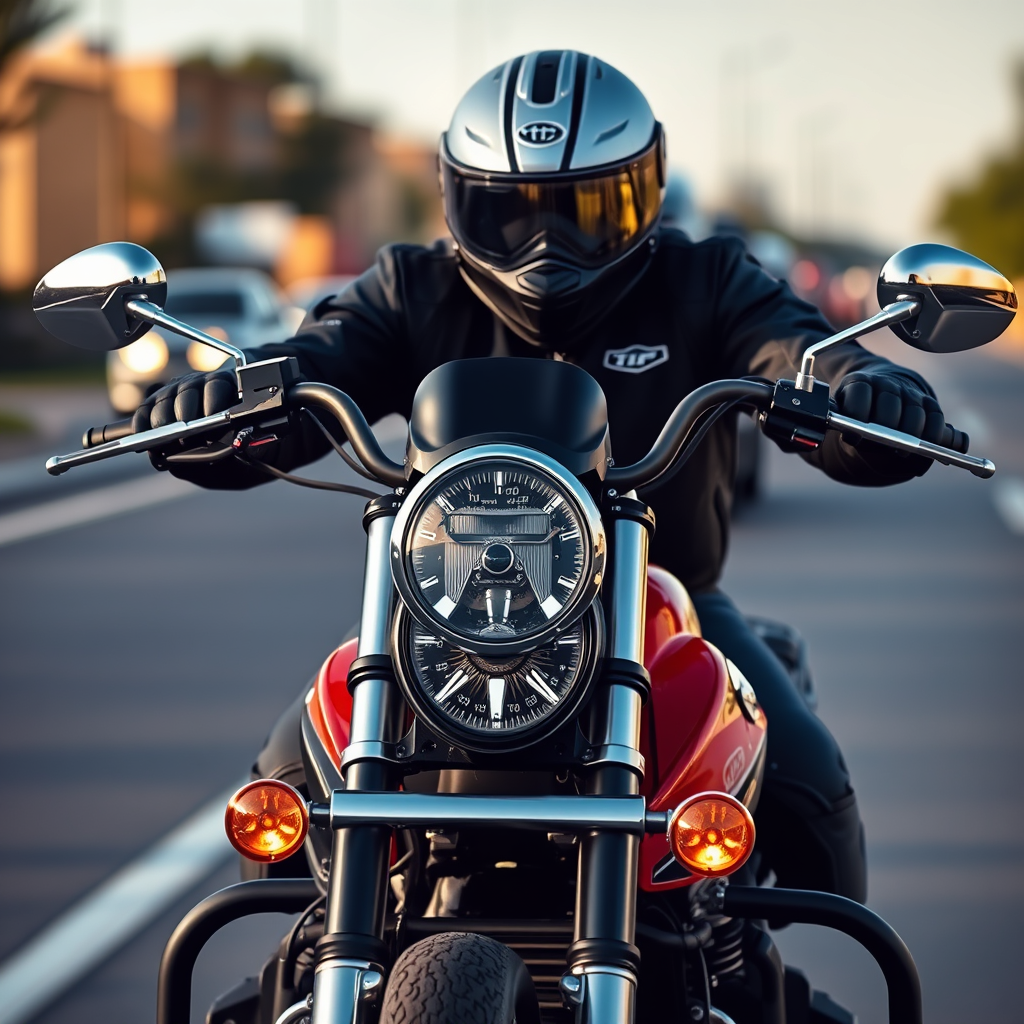
Texas law mandates minimum liability coverage for motorcycle operators, which includes $30,000 for injury or death per person, $60,000 for total injuries or deaths per accident, and $25,000 for property damage. This means that if you are involved in an accident, your insurance must cover these minimum amounts to assist with any injuries or damages you cause to others. While some riders may choose to provide proof of financial responsibility through alternative methods, such as a surety bond or cash deposit, insurance remains the most straightforward and practical option. It not only simplifies compliance with the law but also offers peace of mind in case of unexpected incidents.
Consequences of Riding Without Insurance
Riding without insurance in Texas can lead to significant financial and legal repercussions. If you are caught operating a motorcycle without the required coverage, you could face hefty fines that can range from $175 to $350 for a first offense. Additionally, law enforcement may impound your motorcycle, leading to further costs associated with retrieval and storage. Beyond immediate penalties, an unlicensed motorcycle operation can result in long-term consequences, such as increased insurance premiums when you eventually seek coverage. Insurance companies view a lack of insurance as a red flag, which can make it challenging to find affordable policies in the future. Moreover, if you’re involved in an accident without insurance, you could be held personally liable for any damages, leading to potential lawsuits and financial ruin.
Types of Motorcycle Insurance Coverage
Understanding the different types of motorcycle insurance coverage is essential for every rider. The most basic form of coverage is liability insurance, which protects you from damages you cause to others in an accident. This includes medical expenses for injuries and repairs for property damage. However, liability coverage does not protect your own motorcycle. For that, riders may consider additional coverage options, including collision and comprehensive insurance.
Collision insurance helps cover the costs to repair or replace your motorcycle if it is damaged in an accident, regardless of who is at fault. Comprehensive insurance offers protection against non-collision-related incidents, such as theft, vandalism, or damage from natural disasters. Riders can also explore uninsured/underinsured motorist coverage, which provides additional protection if you’re involved in an accident with a driver who has insufficient insurance. By evaluating the types of coverage available, riders can make informed decisions that align with their needs and risk tolerance.
Factors Affecting Motorcycle Insurance Premiums
Several factors influence motorcycle insurance premiums in Texas, making it crucial for riders to understand how their individual circumstances can impact costs. One of the most significant factors is your driving history; a clean record free of accidents and traffic violations can lead to lower rates, while a history of claims or infractions can drive costs up. Additionally, personal characteristics such as age and gender play a role; younger riders, especially males, often face higher premiums due to statistical data indicating higher risk levels.
The type of motorcycle you ride also affects your insurance rates. Powerful bikes or those with higher market values typically incur higher premiums due to the increased costs associated with repairs and replacements. Riders can often take advantage of discounts to help lower their premiums; for example, many insurance companies offer reductions for completing safety courses, bundling multiple policies (such as home and auto insurance), or maintaining a clean driving record. By understanding these factors, riders can take proactive steps to secure more affordable insurance.
How to Choose the Right Motorcycle Insurance Policy
Choosing the right motorcycle insurance policy requires careful consideration of various factors. First and foremost, riders should compare quotes from multiple insurance providers to find the best rates and coverage options available. Online comparison tools and insurance brokers can simplify this process by highlighting differences in coverage and costs.
Next, assess your needs based on how often you ride, the value of your motorcycle, and your budget for premiums. If you ride frequently or own a high-value bike, investing in comprehensive coverage may be wise. On the other hand, if you only ride occasionally, you might prioritize affordability while ensuring you meet the minimum state requirements. Additionally, consider the insurer’s reputation for customer service and claims handling; positive reviews and solid ratings can indicate a reliable provider. Ultimately, selecting the right policy means balancing comprehensive coverage with your financial capabilities.
Tips for Maintaining Compliance with Texas Insurance Laws
Staying compliant with Texas insurance laws is essential for all motorcycle riders. One of the simplest ways to ensure compliance is to keep proof of insurance handy while riding. This can be in the form of a physical card or a digital version on your smartphone, as you may be required to show it during traffic stops or accidents.
Moreover, it is advisable to regularly review and update your insurance policy to ensure it meets Texas requirements as your circumstances change. Life events such as purchasing a new motorcycle, moving to a different area, or changes in your driving record can all impact your insurance needs. By maintaining open communication with your insurance provider, you can ensure that your coverage remains relevant and adequate. Additionally, keep abreast of any changes in Texas insurance laws to ensure your policy remains compliant.
In summary, motorcycle insurance is a legal necessity in Texas, and riding without it can lead to serious consequences. From financial penalties to potential legal issues, the stakes are high for riders who choose to operate without the required coverage. Ensure you have the proper insurance to protect yourself and your finances while enjoying the open road. If you haven’t already, consider shopping around for insurance quotes today to secure the best policy for your needs.
Frequently Asked Questions
Is motorcycle insurance required by law in Texas?
Yes, motorcycle insurance is required by law in Texas. Texas law mandates that all motorcycle operators must carry a minimum amount of liability insurance, which includes $30,000 for bodily injury per person, $60,000 for total bodily injury per accident, and $25,000 for property damage. Riding without insurance can result in fines, penalties, and the potential suspension of your motorcycle license.
What are the consequences of riding a motorcycle without insurance in Texas?
Riding a motorcycle without insurance in Texas can lead to significant consequences, including hefty fines, traffic citations, and even the suspension of your motorcycle registration and driving privileges. In the event of an accident, you would be personally liable for any damages or injuries, which could result in substantial financial liabilities and legal repercussions.
How can I find the best motorcycle insurance policy in Texas?
To find the best motorcycle insurance policy in Texas, start by assessing your coverage needs based on your riding habits and the value of your motorcycle. Compare quotes from multiple insurance providers, focusing on coverage options, customer service ratings, and discounts available for safe riding or bundling policies. Online comparison tools and customer reviews can help you make an informed decision.
What types of coverage should I consider for my motorcycle insurance in Texas?
When selecting motorcycle insurance in Texas, consider various types of coverage such as liability coverage, which is legally required, and optional coverages like collision, comprehensive, uninsured/underinsured motorist coverage, and medical payments coverage. Each type of coverage addresses different risks, so evaluating your personal circumstances and riding environment is crucial to ensure you are adequately protected.
Why is having motorcycle insurance important, even if it’s not required in certain situations?
Having motorcycle insurance is crucial even if you find yourself in situations where coverage isn’t explicitly required, as it protects you financially in case of accidents or damages. Insurance can cover medical expenses, repair costs, and potential legal fees, providing peace of mind while you ride. Additionally, many motorcycle lenders require insurance as a condition of financing, making it a vital part of responsible motorcycle ownership.
References
- https://www.tdi.texas.gov/consumer/motorcycle.html
- https://www.nhtsa.gov/motorcycles/motorcycle-safety
- https://www.texas.gov/en/about/faq/motorcycle-insurance.html
- https://www.moped2work.com/insure-your-motorcycle-in-texas/
- https://www.insurancejournal.com/news/southcentral/2022/01/03/650216.htm



