

Transferring a loan to a credit card is generally not possible in a direct sense, as loans and credit cards are distinct financial products. However, you can utilize a credit card to effectively pay off a loan through options such as balance transfers or cash advances. This strategy can be advantageous for managing debt but requires careful consideration of the associated risks and benefits. In this article, we will delve into the differences between loans and credit cards, explore the available options for transferring loan balances, weigh the pros and cons of using credit cards for loans, and discuss important factors to consider before making any decisions.
Understanding Loan and Credit Card Differences
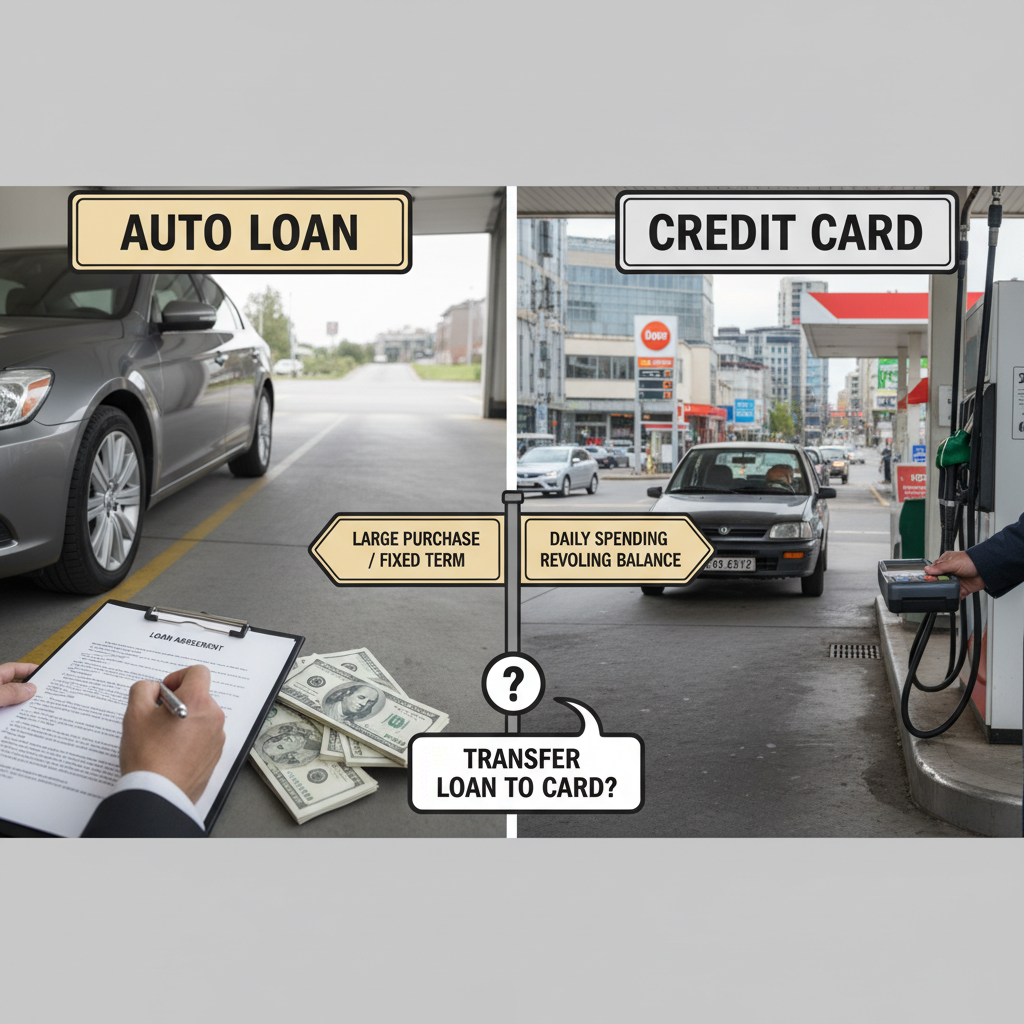
To effectively navigate the landscape of personal finance, it is crucial to understand the fundamental differences between loans and credit cards. Loans are typically structured with fixed terms and interest rates, meaning you borrow a specific amount of money that you agree to repay over a predetermined period. This structure allows for predictable monthly payments, which can aid in budgeting and financial planning.
In contrast, credit cards provide revolving credit, which offers you the flexibility to borrow up to a certain limit and pay it back at your convenience. Credit cards require at least a minimum monthly payment, which may lead to a longer repayment period if only the minimum is paid. Furthermore, the interest rates on credit cards can fluctuate, often leading to higher costs over time compared to fixed-rate loans.
Understanding these distinctions is vital when considering the implications of transferring a loan balance to a credit card. The varying repayment structures and interest rates can significantly impact your financial health.
Options for Transferring Loan Balances
When contemplating the transfer of a loan balance to a credit card, there are two primary methods to consider: balance transfers and cash advances.
– Balance Transfers: Some credit cards offer promotional rates for transferring balances from loans, which can be a strategic way to consolidate debt. For instance, if you have a personal loan with a high-interest rate, transferring that balance to a credit card with a 0% introductory APR can save you money on interest. However, it’s essential to review the terms carefully, as these promotional rates typically last for a limited time, after which the regular interest rate applies.
– Cash Advances: Another method is to take a cash advance from your credit card to pay off a loan. While this option may seem straightforward, it often comes with high fees and interest rates, making it a less favorable choice in many cases. Cash advances usually incur an immediate interest rate that is higher than standard purchases, and they may also carry transaction fees that can further increase your debt burden.
Before opting for either of these methods, it is essential to analyze your current financial situation and determine which option aligns best with your goals.
Pros and Cons of Using Credit Cards for Loans
Utilizing a credit card to address a loan can present both advantages and disadvantages that must be carefully weighed.
– Pros:
– Potentially Lower Interest Rates: If you qualify for a credit card with a promotional balance transfer rate, you may be able to reduce your interest costs significantly.
– Simplified Payments: Consolidating multiple loan payments into a single credit card payment can streamline your monthly budgeting process.
– Rewards on Purchases: Some credit cards offer rewards programs that allow you to earn cash back or points on your spending, which could add value to your financial strategy.
– Cons:
– Risk of Accruing High Interest: If you do not pay off the transferred balance before the promotional rate expires, you may face a much higher interest rate on the remaining balance.
– Fees for Cash Advances: Cash advances often come with steep fees and higher interest rates, making this option less desirable for paying off loans.
– Impact on Credit Score: Transferring debt to a credit card can increase your credit utilization ratio, which may negatively affect your credit score if you max out your card or carry a high balance.
Evaluating these pros and cons in the context of your financial goals is crucial before deciding to proceed.
Factors to Consider Before Transferring
Before initiating a balance transfer or cash advance, several key factors should be assessed to ensure that you make an informed decision.
– Interest Rates and Fees: Compare the interest rates on your existing loan with those offered by the credit card. Be wary of any balance transfer fees, which can range from 3% to 5% of the transferred amount. Additionally, analyze the ongoing interest rate after any promotional period ends, as this will affect your long-term financial obligations.
– Repayment Ability: Evaluate your capacity to pay off the balance before any promotional rates expire. A well-structured repayment plan is essential to avoid falling into a cycle of debt. Consider creating a budget that allocates funds specifically for repaying the transferred balance.
– Credit Score Impact: Assess how transferring the loan will affect your credit score. A significant increase in your credit utilization ratio can lead to a decrease in your credit score, which could impact your financial prospects in the future.
Taking the time to thoroughly evaluate these factors will empower you to make a decision that aligns with your financial objectives.
Alternatives to Transferring a Loan
If transferring a loan balance to a credit card does not seem like the best option, consider other alternatives that may provide better terms and conditions.
– Personal Loans for Debt Consolidation: A personal loan can be an effective means of consolidating debt, often featuring lower interest rates than credit cards. By taking out a personal loan to pay off existing loans, you can simplify your payments while potentially saving on interest costs.
– Refinancing Options: If your credit score has improved since you initially took out your loan, refinancing with your existing lender or another financial institution can lead to lower interest rates. This option may also extend or shorten your loan term based on your financial goals.
Exploring these alternatives could provide a more sustainable path for managing your debt while avoiding the pitfalls associated with credit card transfers.
When to Seek Professional Advice
Navigating the complexities of debt management can be challenging, and there are instances when seeking professional advice may be beneficial.
– If you are uncertain about the best financial decision for your situation, consulting a financial advisor can help you assess your options and provide tailored strategies. They can also offer insights into managing your debt effectively and optimizing your financial health.
– Additionally, if you are struggling to keep up with payments or facing significant financial distress, professional guidance can assist in developing a comprehensive plan to regain control of your finances and avoid costly mistakes.
Investing in expert advice can ultimately save you money and provide peace of mind as you work towards achieving your financial goals.
Summarizing the key points, transferring a loan to a credit card is not straightforward, but options like balance transfers and cash advances exist. It is crucial to weigh the pros and cons and consider alternatives before making a decision. If you are facing challenges managing your debts, take the time to explore your options or seek guidance from a financial professional. By making informed choices, you can better position yourself for financial success.
Frequently Asked Questions
Can you transfer a personal loan balance to a credit card?
Yes, you can transfer a personal loan balance to a credit card, typically through a process called a balance transfer. This allows you to consolidate your debt onto a credit card, often taking advantage of lower interest rates or promotional offers such as 0% APR for a limited time. However, it’s important to check the credit limit on your card and any balance transfer fees that may apply, as these can affect your overall savings.
How does transferring a loan to a credit card affect my credit score?
Transferring a loan to a credit card can impact your credit score in several ways. While it may lower your credit utilization ratio if you keep your credit card balances low, it could also reduce your credit score temporarily due to the hard inquiry made during the transfer process. Additionally, if you accumulate high balances on your credit card after the transfer, it may negatively affect your credit score over time.
Why would someone want to transfer a loan to a credit card?
Many individuals consider transferring a loan to a credit card to take advantage of lower interest rates, especially if the credit card offers a promotional 0% APR period. This can lead to significant savings on interest payments and help pay off the debt faster. Additionally, consolidating debt onto a credit card can simplify monthly payments, making it easier to manage finances.
What types of loans can be transferred to a credit card?
Generally, unsecured loans such as personal loans and some medical loans can be transferred to a credit card through a balance transfer. However, secured loans, such as mortgages or auto loans, typically cannot be transferred to a credit card. It’s crucial to review the terms of your loan and your credit card’s balance transfer options before proceeding.
What are the best credit cards for transferring a loan balance?
The best credit cards for transferring a loan balance typically offer low or 0% introductory APR on balance transfers for an extended period, often between 12 to 18 months. Cards with low balance transfer fees, rewards programs, and no annual fees are also ideal. Popular options include cards from issuers like Chase, Citi, and Discover, but it’s essential to compare offers to find the one that best fits your financial situation.
References
- What happens when a mortgage lender checks my credit? | Consumer Financial Protection Bureau
- https://www.nytimes.com/2021/05/05/business/credit-card-debt-transfer.html
- https://www.investopedia.com/terms/t/transfer-credit-card-debt.asp
- https://www.bankrate.com/finance/credit-cards/how-to-transfer-debt-to-a-credit-card/
- https://www.nerdwallet.com/article/credit-cards/how-debt-transfer-works
- https://www.thebalance.com/credit-card-balance-transfers-960331
- https://www.credit.com/credit-cards/balance-transfer-credit-cards/