

Taking out loans for summer classes is indeed possible, depending on your educational institution and your financial situation. Many students explore this option to fund their summer education, and understanding the types of loans available can help you make an informed decision. Whether you’re looking to accelerate your studies or improve your academic performance, financing your summer classes can open up valuable opportunities.
Types of Loans Available for Summer Classes
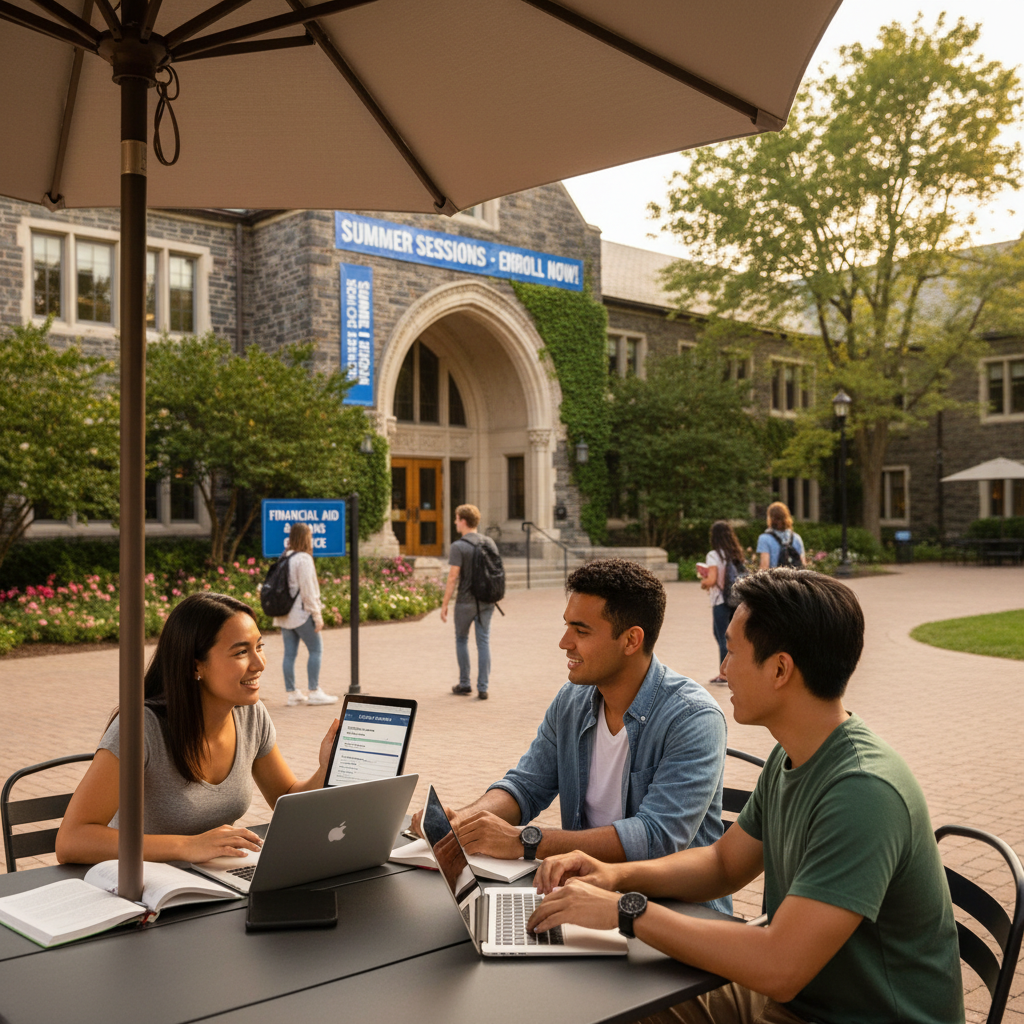
When considering loans for summer classes, it’s important to understand the different types of financing options available to students.
– Federal Student Loans: These loans are typically the first choice for students seeking financial aid. Federal student loans often have lower interest rates compared to private loans and offer flexible repayment options. For summer classes, students generally need to be enrolled at least half-time, which usually means taking a minimum of six credits. The most common federal loans include Direct Subsidized and Unsubsidized Loans. Subsidized loans are particularly beneficial as they do not accrue interest while you are enrolled in school at least half-time.
– Private Loans: In addition to federal loans, students can also consider private loans offered by banks, credit unions, and online lenders. These loans can cover the costs of summer classes but may come with stricter eligibility requirements and higher interest rates. Private lenders often assess credit scores, income, and employment history, which means that students without a strong credit history may require a co-signer. It’s essential to compare offers from multiple lenders to find the best interest rates and terms.
Eligibility Requirements for Summer Loans
Eligibility for summer loans can vary significantly between federal and private options.
– Enrollment Status: To qualify for most loans, students must be enrolled in a degree program and taking a minimum number of credits during the summer. Federal loans typically require at least half-time enrollment, while private lenders may have additional stipulations. It’s crucial to check with your institution to understand their specific enrollment criteria for summer classes.
– Financial Need: Many federal loan programs, particularly Direct Subsidized Loans, require students to demonstrate financial need. This need is assessed through the Free Application for Federal Student Aid (FAFSA). While private loans may not require a demonstration of financial need, they often have different criteria related to creditworthiness. Completing the FAFSA can also unlock other forms of financial aid, including grants and scholarships that do not need to be repaid.
Applying for Loans for Summer Classes
The application process for summer loans requires careful attention to detail.
– FAFSA Submission: To determine eligibility for federal loans, students must complete the FAFSA. This form collects information about your financial situation and helps schools assess your need for aid. It’s advisable to submit the FAFSA as early as possible, as some federal funds are awarded on a first-come, first-served basis. Be sure to check the deadline for summer aid applications, as it can differ from the standard academic year deadlines.
– Direct Application: For private loans, students need to apply directly to the lender of their choice. This process generally involves submitting a loan application along with necessary financial documentation, such as tax returns and income statements. It’s essential to read the terms and conditions carefully and ask questions about any fees or penalties associated with the loan.
Benefits of Taking Out Loans for Summer Classes
Taking out loans for summer classes can provide several benefits that can positively impact your educational journey.
– Accelerated Graduation: One of the most significant advantages of enrolling in summer classes is the potential to graduate sooner. By completing required courses during the summer, students can often lighten their course loads during the regular academic year or fulfill prerequisites faster. This acceleration can lead to reduced overall tuition costs and quicker entry into the job market.
– Improved Focus: Summer classes often feature smaller class sizes and more concentrated learning environments. This can lead to enhanced student-teacher interaction and a more immersive educational experience. The focused nature of summer courses can also promote better academic performance, as students are typically less distracted by extracurricular activities and part-time jobs.
Potential Drawbacks of Summer Loans
While loans can provide essential funding, they also come with certain risks and drawbacks that students should consider.
– Debt Accumulation: Taking out loans for summer classes adds to your overall student debt. While borrowing can facilitate immediate educational goals, it’s crucial to consider the long-term implications of increased debt. Graduates often face significant repayment burdens, and accumulating more debt for summer classes can exacerbate financial stress after graduation.
– Interest Rates: Interest rates on private loans can vary widely, and students should pay close attention to these rates and the repayment terms. While federal loans generally offer more favorable rates, private loans can come with higher interest rates that can significantly increase the total amount repaid over time. Students should conduct thorough research and consider how the repayment of these loans will fit into their future financial plans.
Alternatives to Loans for Summer Classes
If you’re wary of taking on debt, there are several alternatives to consider when looking to fund summer classes.
– Scholarships and Grants: Many organizations and educational institutions offer scholarships specifically for summer courses. These scholarships do not require repayment and can significantly alleviate financial burdens. Students should explore scholarship databases and consult with their school’s financial aid office to identify available opportunities.
– Payment Plans: Some educational institutions provide payment plans that allow students to spread out tuition payments over several months. This option can reduce the financial strain associated with lump-sum payments and help manage budget constraints. Students should inquire about the availability of payment plans and any associated fees when registering for summer courses.
Investing in your education is important, and taking out loans for summer classes can be a viable option if approached thoughtfully. By understanding the types of loans available, eligibility requirements, and application processes, students can make informed decisions that align with their academic goals. It’s essential to weigh the pros and cons, explore all financing options, and consider speaking with a financial advisor or school counselor to find the best solution for your needs. Ultimately, being proactive and knowledgeable can lead to a more successful and financially sound educational experience.
Frequently Asked Questions
Can you take out loans specifically for summer classes?
Yes, you can take out loans for summer classes. Many students opt for federal or private student loans to cover tuition and related expenses for summer courses. Federal loans, such as Direct Subsidized and Unsubsidized Loans, may be available if you’re enrolled at least half-time. It’s essential to check with your school’s financial aid office to understand eligibility and the process for applying for these loans.
What types of loans are available for summer classes?
There are several types of loans available for summer classes, including federal student loans, private loans, and alternative student loans. Federal loans often offer lower interest rates and more favorable repayment terms than private loans. Some students may also consider personal loans, but these typically have higher interest rates and less flexible repayment options. Always compare your options to find the best fit for your financial situation.
How do I apply for a loan to cover summer classes?
To apply for a loan for summer classes, start by completing the Free Application for Federal Student Aid (FAFSA) to determine your eligibility for federal loans. After that, contact your school’s financial aid office for guidance on applying for summer-specific loans. If you’re considering private loans, research lenders, and submit your application directly through their platforms, ensuring you have all necessary documentation ready.
Why should I consider taking out a loan for summer classes?
Taking out a loan for summer classes can be beneficial as it allows you to accelerate your degree completion, potentially saving you time and tuition costs in the long run. Additionally, summer classes may enable you to focus on specific subjects without the full course load of regular semesters. However, consider the financial implications carefully, as loans will require repayment with interest.
What is the best way to minimize the cost of loans for summer classes?
To minimize the cost of loans for summer classes, start by exhausting federal loan options, as these typically have lower interest rates and flexible repayment plans. Additionally, consider applying for scholarships or grants specifically intended for summer coursework. If you must take out a private loan, shop around for the best interest rates and terms, and aim to borrow only what you absolutely need to limit your overall debt.
References
- https://www.ed.gov/financial-aid/understanding-loans
- https://www.nassg.org/news/2021/the-cost-of-summer-school
- https://www.collegeboard.org/funding-your-education/paying-college/financial-aid-options
- Federal Student Aid
- https://www.thebalance.com/student-loans-for-summer-classes-5076687
- https://www.investopedia.com/financial-aid-for-summer-classes-5118922
- https://www.nasfaa.org/Student_Loan_Repayment
- https://www.niche.com/blog/summer-classes-financial-aid/
- https://www.forbes.com/advisor/student-loans/financial-aid-summer-classes/