

If you’re wondering whether you can be sued for a payday loan in Texas, the answer is yes. Lenders have the right to take legal action against borrowers who fail to repay their loans. This can happen if you default on your payments or violate the terms of your loan agreement. In this article, we’ll explore the circumstances under which a payday loan can lead to a lawsuit and what you need to know to protect yourself.
Understanding Payday Loans in Texas
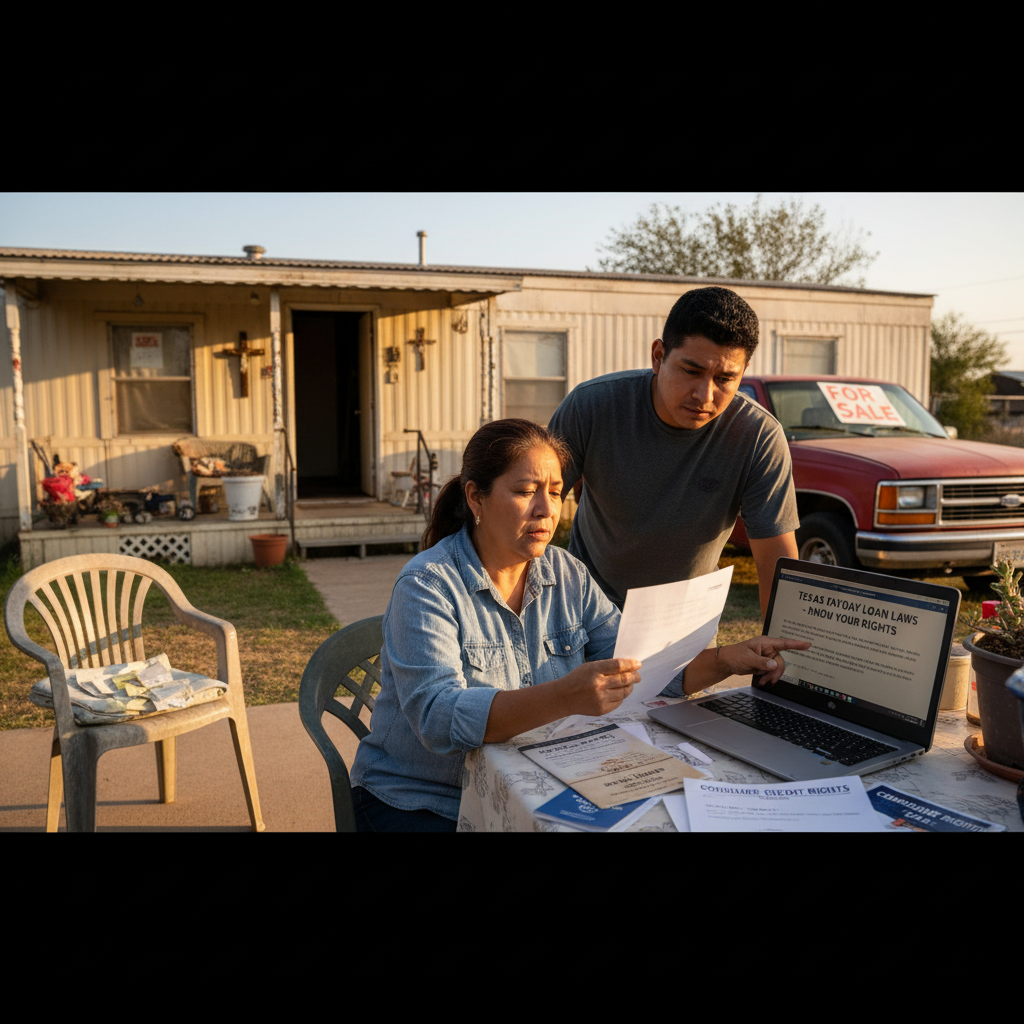
Payday loans are short-term, high-interest loans typically designed to cover unexpected expenses or emergencies until the borrower receives their next paycheck. In Texas, these loans often come with repayment terms that range from two weeks to a month, with interest rates that can exceed 500% APR, depending on the loan amount and duration. Due to the high cost of borrowing, payday loans can quickly become unmanageable for many borrowers.
Texas has specific laws regulating payday lending practices to protect consumers. For instance, lenders are required to provide clear information about the loan terms, including the APR, the total amount to be repaid, and the repayment schedule. Additionally, the Texas Office of Consumer Credit Commissioner oversees payday lending to ensure compliance with state regulations, which aim to curtail predatory practices. Despite these regulations, many borrowers find themselves in challenging situations, leading to a cycle of debt that can result in legal action.
When Can a Lender Sue You?
A lender can initiate legal proceedings against you under several circumstances, primarily if you default on your payments. Defaulting occurs when you fail to make the required payments by the due date outlined in your loan agreement. Additionally, if you write a check that bounces or if your bank account does not have sufficient funds to cover your loan payment, this can also trigger a lawsuit.
Loan agreements are legally binding documents that outline your obligations as a borrower. If you do not adhere to the terms specified in the agreement, the lender may pursue legal action to recover the owed amount. It’s essential to read and understand your loan agreement thoroughly, as it will detail the lender’s rights and the steps they can take in the event of default.
Possible Consequences of a Lawsuit
If a lender decides to sue you for a payday loan, they can take several legal actions, which may include obtaining a judgment against you. A judgment can allow the lender to garnish your wages, seize funds from your bank account, or place liens on your property. These actions can have severe implications for your financial health and overall well-being.
Moreover, a lawsuit can significantly impact your credit score. Once a judgment is entered against you, it becomes a matter of public record, which can lower your credit rating and make it difficult to secure future loans or credit. The long-term effects on your financial future can be detrimental, leading to higher interest rates on new loans or even difficulty in renting a home or securing employment in some cases.
Defending Against a Payday Loan Lawsuit
If you find yourself facing a payday loan lawsuit, it’s vital to take immediate action. One of the first steps you should take is to contact an attorney who specializes in consumer rights or debt issues. They can provide you with guidance on your legal options and help you understand the specific details of your case.
There are several potential defenses you may have against a payday loan lawsuit. For instance, if you believe that the lender engaged in predatory lending practices—such as failing to disclose the full terms of the loan or charging excessive fees—you may have grounds to contest the lawsuit. Additionally, if the lender did not follow legal procedures when pursuing the loan or if the statute of limitations on the debt has expired, you may be able to mount a successful defense.
Alternatives to Payday Loans
If you are considering a payday loan, it’s crucial to explore other borrowing options that may be less risky and more manageable. Some alternatives include personal loans from credit unions, which often have lower interest rates and more favorable terms. Additionally, some nonprofit organizations offer financial assistance programs or emergency loans designed to help individuals in need without the harsh terms associated with payday lending.
Moreover, consider creating a budget to manage your expenses or reaching out to a credit counseling service for assistance. These resources can help you develop a plan to avoid relying on high-cost loans in the future, ultimately leading to better financial health.
Your Rights as a Borrower
As a borrower in Texas, you have specific rights under consumer protection laws. These laws are designed to protect you from unfair lending practices and to ensure that you are treated fairly by lenders. If you believe you have been subjected to predatory lending or other unfair practices, you can file a complaint with the Texas Office of Consumer Credit Commissioner or seek assistance from consumer advocacy groups.
It’s important to stay informed about your rights as a borrower to protect yourself from potential abuse. Understanding the regulatory environment and knowing where to turn for help can empower you to make more informed financial decisions.
Your financial well-being is important, and understanding your rights regarding payday loans can make a significant difference. Be proactive in managing your loans and seek help if you find yourself in a difficult situation. By staying informed about your options and rights, you can navigate the complexities of payday lending with confidence and safeguard your financial future.
Frequently Asked Questions
Can you be sued for a payday loan in Texas?
Yes, you can be sued for a payday loan in Texas if you fail to repay it. Lenders may file a lawsuit to recover the unpaid amount, including any additional fees and interest. If you receive a summons for a court appearance, it’s crucial to respond promptly to avoid a default judgment, which can lead to wage garnishment or bank account levies.
What should you do if you are sued for a payday loan in Texas?
If you are sued for a payday loan in Texas, the first step is to review the lawsuit documents carefully. You should gather any evidence related to your loan and payment history. It’s advisable to respond to the lawsuit within the given time frame, and consider seeking legal advice from a consumer protection attorney to discuss your options, which may include negotiating a settlement or disputing the claim.
Why do payday lenders file lawsuits in Texas?
Payday lenders in Texas file lawsuits primarily to recover debts that borrowers have defaulted on. When borrowers do not repay their loans, lenders may pursue legal action to obtain a judgment that allows them to collect the owed amount through various means, such as wage garnishments or liens on property. Understanding your rights as a borrower can help you navigate these situations more effectively.
How can you avoid being sued for a payday loan in Texas?
To avoid being sued for a payday loan in Texas, it’s important to communicate with your lender if you are unable to make a payment. Many lenders may offer payment plans or extensions. Additionally, staying informed about your loan terms and seeking alternatives, such as credit counseling or personal loans with better terms, can help you manage your financial obligations and prevent legal action.
What are the potential consequences of being sued for a payday loan in Texas?
The consequences of being sued for a payday loan in Texas can be severe. If the lender wins the lawsuit, they may obtain a court judgment against you, which could lead to wage garnishment, bank account levies, or liens on your property. Furthermore, a judgment can negatively impact your credit score, making it more challenging to secure loans in the future. It’s essential to take legal issues seriously and seek counsel if you find yourself in this situation.
References
- https://www.consumerfinance.gov/about-us/blog/what-you-need-know-about-payday-loans-texas/
- https://www.tdi.texas.gov/consumer/credit/payday-loans.html
- https://www.legalservicesofnorthflorida.org/payday-loans-in-texas/
- https://www.nclc.org/images/pdf/high_cost_small_loans/payday_loans/Payday_Loan_Consumer_Guide.pdf
- https://www.texasattorneygeneral.gov/consumer-protection/financial-issues/payday-and-auto-title-loans
- https://www.usa.gov/elected-officials/texas
- https://www.dallasnews.com/business/2021/06/08/consumer-advocates-say-texas-payday-loan-industry-needs-regulation/