

You can indeed get a student loan for summer classes, but the eligibility and options depend on various factors, such as your current enrollment status and the type of loan you are considering. Many students take advantage of summer sessions to accelerate their academic journey, and understanding the financing options available is essential. In this article, we’ll explore the different avenues available for financing your summer classes and how to navigate the application process effectively.
Understanding Student Loans for Summer Classes
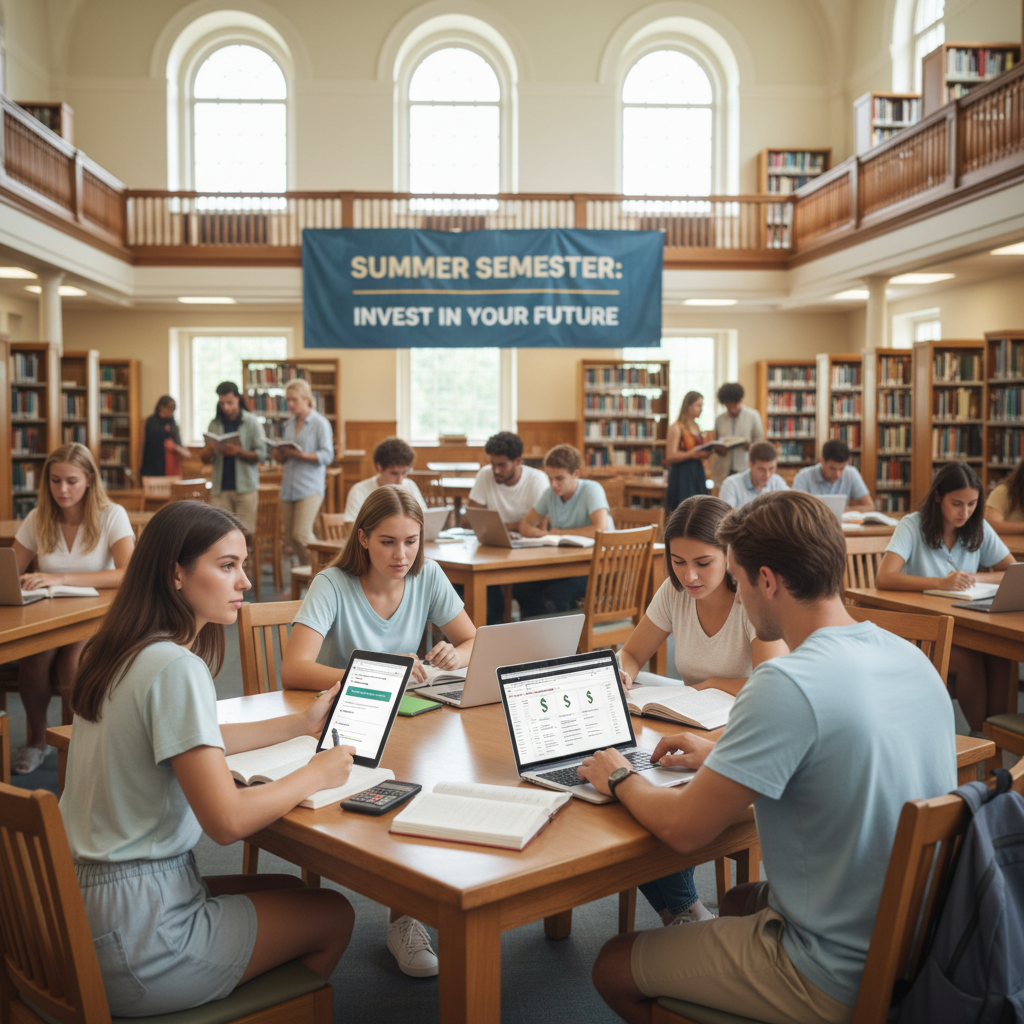
When considering student loans for summer classes, it’s important to understand the various types of loans available and the specific requirements associated with them. Federal student loans may be available if you are enrolled at least half-time during the summer, which typically means taking at least six credit hours. This half-time enrollment status is crucial, as it allows you to qualify for federal funding such as Direct Subsidized and Unsubsidized Loans.
Private loans, on the other hand, could also be an option, but they often come with different eligibility criteria. These loans are offered by banks, credit unions, and other financial institutions, and may have varying terms and interest rates compared to federal loans. It is essential to weigh the pros and cons of both federal and private loans, considering factors such as interest rates, repayment options, and whether the loan will accrue interest while you are in school.
Types of Student Loans Available
Federal Loans
Federal student loans are often the most favorable option for financing your summer classes. The two main federal loan types you may consider are:
– Direct Subsidized Loans: These loans are based on financial need, and the government pays the interest while you are enrolled at least half-time in school. This can significantly reduce the overall cost of borrowing.
– Direct Unsubsidized Loans: These loans are not based on financial need, and interest begins accruing as soon as the loan is disbursed. While you are still in school, you can choose to pay the interest or allow it to accumulate and capitalize, which will increase your total repayment amount.
Private Loans
Private loans can fill the gap if federal loan options do not cover your summer tuition costs. Offered by banks and credit unions, private loans often have different eligibility requirements, including credit checks and income verification. Interest rates for private loans can be fixed or variable and may depend on your credit score, which makes it essential to shop around for the best terms. Some lenders may offer flexible repayment options, but these can vary widely, so it’s important to read the fine print and understand the implications of taking on private debt.
Eligibility Requirements for Summer Loans
Eligibility for summer student loans hinges significantly on your enrollment status and academic progress.
– Enrollment Status: To qualify for federal student loans during the summer, you generally need to be enrolled in a degree program and taking at least six credit hours. If you are a continuing student, ensure that your enrollment for summer classes is reported to the financial aid office, as they will process your loan application based on your status.
– Academic Progress: Most institutions require that you maintain satisfactory academic progress (SAP) to be eligible for financial aid. This typically means maintaining a minimum GPA and completing a certain percentage of the courses you attempt. Failure to meet these standards can result in the loss of eligibility for both federal and private loans.
The Application Process for Summer Loans
The application process for securing student loans for summer classes involves several key steps:
1. Complete the FAFSA: Filling out the Free Application for Federal Student Aid (FAFSA) is essential for accessing federal student loans. Make sure to submit your FAFSA as early as possible to meet your school’s deadlines for summer financial aid.
2. Consult Your School’s Financial Aid Office: Each institution may have specific procedures for summer financial aid. It’s advisable to check with your financial aid office regarding the required documentation, deadlines, and any additional forms you may need to submit.
3. Review Loan Offers: Once your FAFSA is processed, you’ll receive a financial aid offer detailing the types and amounts of loans for which you qualify. Carefully review these offers, considering how much debt you are willing to take on.
4. Accept Your Loans: After reviewing your options, formally accept your loans through your school’s financial aid portal. Be mindful of the terms and conditions associated with each loan.
Managing Your Loan Repayment
Understanding the terms of your loan repayment is crucial to maintaining financial health after graduation.
– Understand the Grace Period: Many federal loans come with a grace period of six months after you leave school or drop below half-time enrollment before repayment begins. This can provide a crucial buffer as you transition into the workforce.
– Explore Repayment Options: Familiarize yourself with the various repayment plans available. Options such as income-driven repayment plans can adjust your monthly payments based on your income, offering flexibility if you face financial challenges after graduation.
– Consider Loan Consolidation: If you have multiple loans, consolidating them can simplify your payments. However, be cautious, as this may also change your interest rate and repayment terms.
Additional Financial Aid Options for Summer Classes
In addition to loans, you may want to explore other financial aid options to help cover the costs of summer classes:
– Scholarships: Many organizations and institutions offer scholarships specifically for summer courses. Research opportunities through your school, local community organizations, and online databases to find scholarships that fit your background and academic focus.
– Grants: Some federal and state grants may also be applicable to summer courses. For example, Pell Grants can be used during the summer if you have remaining eligibility. Check with your financial aid office to see if you qualify for additional grant funding.
Tips for Financing Your Summer Classes
To effectively manage the costs associated with summer classes, consider the following strategies:
– Budget Wisely: Assess your total costs, including tuition, fees, and living expenses. Create a budget that outlines your financial resources and expected expenses to avoid overspending.
– Consider Working Part-Time: A summer job can help offset costs and reduce your reliance on loans. Look for flexible job opportunities that align with your schedule, such as internships, tutoring, or retail positions.
– Utilize Cost-Effective Options: If your institution offers online or hybrid courses during the summer, these may be more affordable and provide greater flexibility.
– Plan Ahead: If you know you will be taking summer classes, begin planning your finances early. This includes applying for loans, scholarships, and budgeting your living expenses.
In summary, yes, student loans are available for summer classes, but options vary between federal and private loans based on eligibility and application processes. To get started, complete your FAFSA, check with your financial aid office, and explore other financial assistance options like scholarships and grants. By understanding the loan landscape and planning appropriately, you can ensure that you have the funds needed for your summer education. Taking proactive steps today can set the stage for a successful academic journey.
Frequently Asked Questions
Can I get a student loan for summer classes?
Yes, you can typically obtain a student loan for summer classes, but it depends on your financial aid eligibility and the type of loan you are applying for. Many federal student loans can be used year-round, including summer sessions, but you must enroll in an eligible program and meet the minimum credit hours required by your institution.
How do I apply for a student loan for summer classes?
To apply for a student loan for summer classes, you should first complete the Free Application for Federal Student Aid (FAFSA) for the academic year. After that, check with your school’s financial aid office to determine your eligibility for summer funding, which may include federal loans, grants, or private loans. Make sure to apply early, as some funds may be limited.
Why might I not qualify for a student loan for summer classes?
You might not qualify for a student loan for summer classes if you have exhausted your annual loan limit or if you are not enrolled in enough credit hours to be considered half-time or full-time. Additionally, if you did not maintain satisfactory academic progress in previous terms, that could affect your eligibility for financial aid in the summer term.
What types of student loans can I use for summer classes?
There are several types of student loans you can use for summer classes, including federal Direct Subsidized and Unsubsidized Loans, as well as PLUS Loans for graduate students or parents. Private loans may also be an option if federal loans do not cover your summer tuition and expenses, but be sure to compare terms and interest rates before borrowing.
Which financial aid options are available for summer classes besides student loans?
Besides student loans, you may qualify for federal or state grants, scholarships, and work-study programs to help pay for summer classes. Some colleges also have their own summer-specific scholarships or financial aid packages, so it’s worth checking with your institution’s financial aid office for additional funding opportunities tailored to summer enrollment.
References
- Federal Student Aid
- https://www.ed.gov/news/press-releases/education-department-announces-additional-loan-relief-students
- https://www.nerdwallet.com/article/loans/student-loans-summer-classes
- College Board – SAT, AP, College Search and Admission Tools
- https://www.wsj.com/articles/how-to-finance-summer-classes-11620675200
- https://www.thebalance.com/how-to-pay-for-summer-classes-4172589
- https://www.nasfaa.org/
- https://www.consumerfinance.gov/ask-cfpb/can-i-use-my-student-loan-for-summer-classes-question/