

Cosmetic surgery is generally not covered by insurance, especially when performed for aesthetic reasons alone. However, there are exceptions where insurance may cover procedures deemed medically necessary. Understanding these nuances is crucial for anyone considering cosmetic surgery, as it can significantly impact financial planning and decision-making. In this article, we will explore the complexities of insurance coverage for cosmetic surgery, elucidating what to expect and how to navigate the process effectively.
Understanding Cosmetic Surgery vs. Reconstructive Surgery
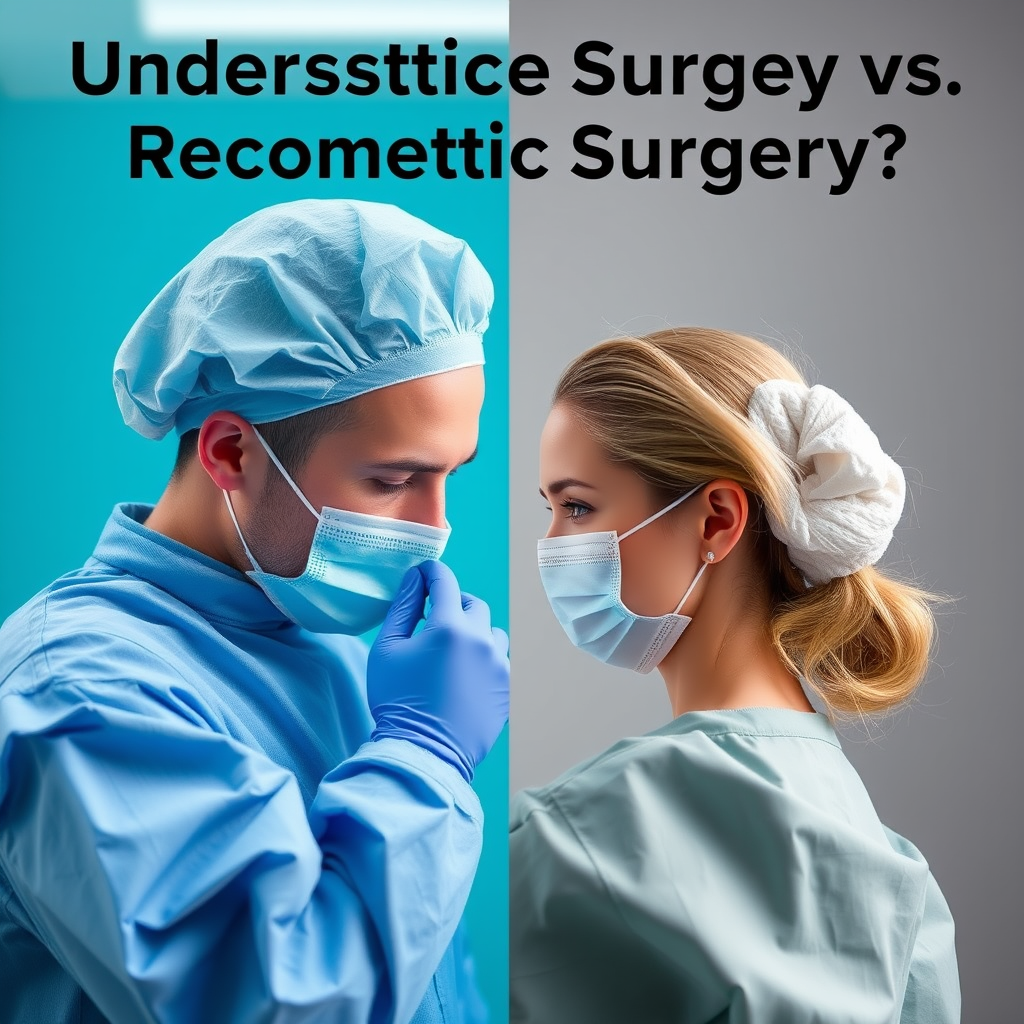
Cosmetic surgery and reconstructive surgery are often confused, yet they serve distinct purposes and have different implications for insurance coverage. Cosmetic surgery is primarily aimed at enhancing an individual’s appearance, such as procedures like rhinoplasty (nose reshaping), facelift, or breast augmentation. Since these surgeries focus on aesthetic improvements, they are typically not covered by insurance policies.
On the other hand, reconstructive surgery is intended to correct abnormalities caused by congenital defects, trauma, or medical conditions. Procedures such as breast reconstruction after mastectomy or surgery to correct cleft lip/palate fall under this category and may qualify for insurance coverage. The key distinction lies in the intent and necessity of the procedure; reconstructive surgeries are often deemed medically necessary, making them eligible for insurance claims. Understanding this difference is crucial for patients when discussing their options with healthcare providers and insurance companies.
When Insurance May Cover Cosmetic Surgery
While most cosmetic procedures are not covered by insurance, there are circumstances under which some may be eligible for coverage if they are considered medically necessary. For instance, surgeries that aim to alleviate physical pain or discomfort, such as reduction mammoplasty (breast reduction) for women suffering from back pain, could be deemed necessary and thus may qualify for insurance coverage. Additionally, procedures performed to correct significant deformities or injuries, such as reconstructive surgery after an accident, are often covered.
To ensure coverage, patients must provide comprehensive documentation from healthcare providers that clearly outlines the medical necessity of the procedure. This may include medical records, letters from doctors, and even photographs to illustrate the condition needing treatment. Insurance providers typically require this evidence before approving claims related to cosmetic procedures that have a medical justification.
Key Factors That Influence Coverage
Navigating insurance coverage for cosmetic surgery can be complex due to the variability in insurance policies. Each insurance provider has its own guidelines regarding what constitutes medically necessary procedures and what is considered cosmetic. Therefore, it is essential for potential patients to thoroughly review their specific insurance plan details, as coverage can differ significantly even among similar plans.
Additionally, the credentials of the surgeon performing the procedure and the facility where it takes place can influence coverage decisions. Insurance companies often prefer that surgeries be performed in accredited hospitals or by board-certified surgeons, as this adds an extra layer of assurance regarding the safety and necessity of the procedure. Patients should check whether their surgeon and the facility are within their insurance network to avoid unexpected out-of-pocket expenses.
Steps to Take Before Your Surgery
Before proceeding with cosmetic surgery, it is critical to take several proactive steps to understand your insurance coverage. First and foremost, consult with your insurance provider to discuss potential coverage options. This initial conversation can help clarify what is and isn’t covered under your plan, and whether the procedure you are considering might qualify for coverage as medically necessary.
Once you have a clear understanding of your policy, gather all necessary medical documentation that supports the need for surgery. This may include referrals from your primary care physician, specialist evaluations, and any relevant imaging or tests that illustrate your condition. Having comprehensive documentation prepared can facilitate the approval process and reduce delays.
Tips for Navigating Insurance Claims
Navigating the insurance claims process can be a daunting task, especially if your claim is initially denied. To streamline this process, keep detailed records of all communications with your insurance company, including dates, names of representatives, and the content of discussions. This information can be invaluable if you need to appeal a denial or clarify misunderstandings.
If your claim is denied, don’t be discouraged. Many claims are initially rejected due to clerical errors or insufficient documentation. Be prepared to appeal the decision by resubmitting your claim with additional supporting documents or clarifications that reinforce the medical necessity of the procedure. Understanding your rights as a patient and the appeals process is crucial for securing the coverage you may need.
Alternatives to Insurance Coverage
If insurance coverage for your cosmetic surgery is not an option, consider exploring alternative financing solutions. Many surgical centers offer payment plans that allow patients to spread the cost of the procedure over time, making it more manageable. Inquire about financing options when consulting with the surgical facility; they often partner with third-party financing companies that specialize in medical procedures.
Additionally, consider using medical savings accounts (HSAs) or flexible spending accounts (FSAs) to cover elective procedures. These accounts allow you to set aside pre-tax dollars for medical expenses, potentially saving you money on your out-of-pocket costs. While these options may not provide full coverage, they can significantly reduce the financial burden associated with elective cosmetic surgery.
Your insurance coverage for cosmetic surgery can hinge on various factors, including the nature of the procedure and your specific insurance plan. It is essential to conduct thorough research and maintain open communication with your insurance provider to clarify your options. If you’re considering cosmetic surgery, taking proactive steps to understand coverage and explore potential financing solutions can help ensure a smoother process and alleviate financial anxiety.
In conclusion, understanding the intricacies of insurance coverage for cosmetic surgery is vital for anyone contemplating these procedures. By distinguishing between cosmetic and reconstructive surgeries, knowing when coverage may apply, and being proactive in your approach, you can better navigate the complexities of insurance claims. Whether utilizing insurance, financing options, or personal savings, being informed will empower you to make the best decisions regarding your cosmetic surgery journey.
Frequently Asked Questions
What types of cosmetic surgery are covered by insurance?
Insurance coverage for cosmetic surgery primarily depends on whether the procedure is deemed medically necessary. Generally, surgeries that address health issues, such as breast reduction for back pain or reconstructive surgery after an accident, are often covered. However, purely aesthetic procedures, like facelifts or liposuction, typically are not covered by insurance. It’s essential to consult with your insurance provider to understand your specific plan’s coverage details.
How can I determine if my cosmetic surgery will be covered by insurance?
To determine if your cosmetic surgery is covered by insurance, begin by contacting your insurance provider directly. Prepare to discuss your medical history and the reasons for the surgery, as they will assess whether it’s deemed medically necessary. Additionally, obtaining a letter of medical necessity from your healthcare provider can support your case. Always review your policy documents to understand the specifics of what is covered.
Why do insurance companies often deny coverage for cosmetic surgery?
Insurance companies frequently deny coverage for cosmetic surgery because they classify most procedures as elective rather than medically necessary. Since cosmetic surgeries are typically performed to improve appearance rather than to address a medical condition, they fall outside of most insurance policies. Furthermore, insurers often have strict guidelines and criteria that must be met before approving coverage, making it challenging for patients seeking aesthetic enhancements.
What should I do if my insurance claim for cosmetic surgery is denied?
If your insurance claim for cosmetic surgery is denied, start by reviewing the denial letter to understand the reasons behind it. You can appeal the decision by gathering supporting documentation, such as medical records, photographs, and letters from your healthcare provider explaining the necessity of the procedure. Submitting a well-documented appeal can sometimes lead to a successful resolution. Additionally, consider consulting with a medical billing advocate who can help navigate the appeals process.
Which cosmetic procedures are most likely to be covered by insurance?
Cosmetic procedures that are more likely to be covered by insurance include those that serve a functional purpose, such as rhinoplasty to correct breathing issues, breast reconstruction after mastectomy, and surgery to repair congenital deformities. Procedures that are intended to alleviate physical discomfort or improve quality of life, rather than purely aesthetic enhancements, are also more likely to receive insurance coverage. Always verify with your insurance provider for specific eligibility requirements related to these surgeries.
References
- Cosmetic surgery – Wikiwand
- https://www.ncbi.nlm.nih.gov/pmc/articles/PMC6192501/
- https://www.verywellhealth.com/cosmetic-surgery-and-insurance-5116156
- Page Not Found – Site Help – Mayo Clinic
- https://www.americanboardcosmeticsurgery.org/cosmetic-surgery/insurance-coverage/
- Caseload as a factor for outcome in aneurysmal subarachnoid hemorrhage: a systematic review and m…
- https://www.aapc.com/resources/insurance-coverage-for-cosmetic-surgery.aspx
- The Aesthetic Society | Advancing Aesthetic Plastic Surgery