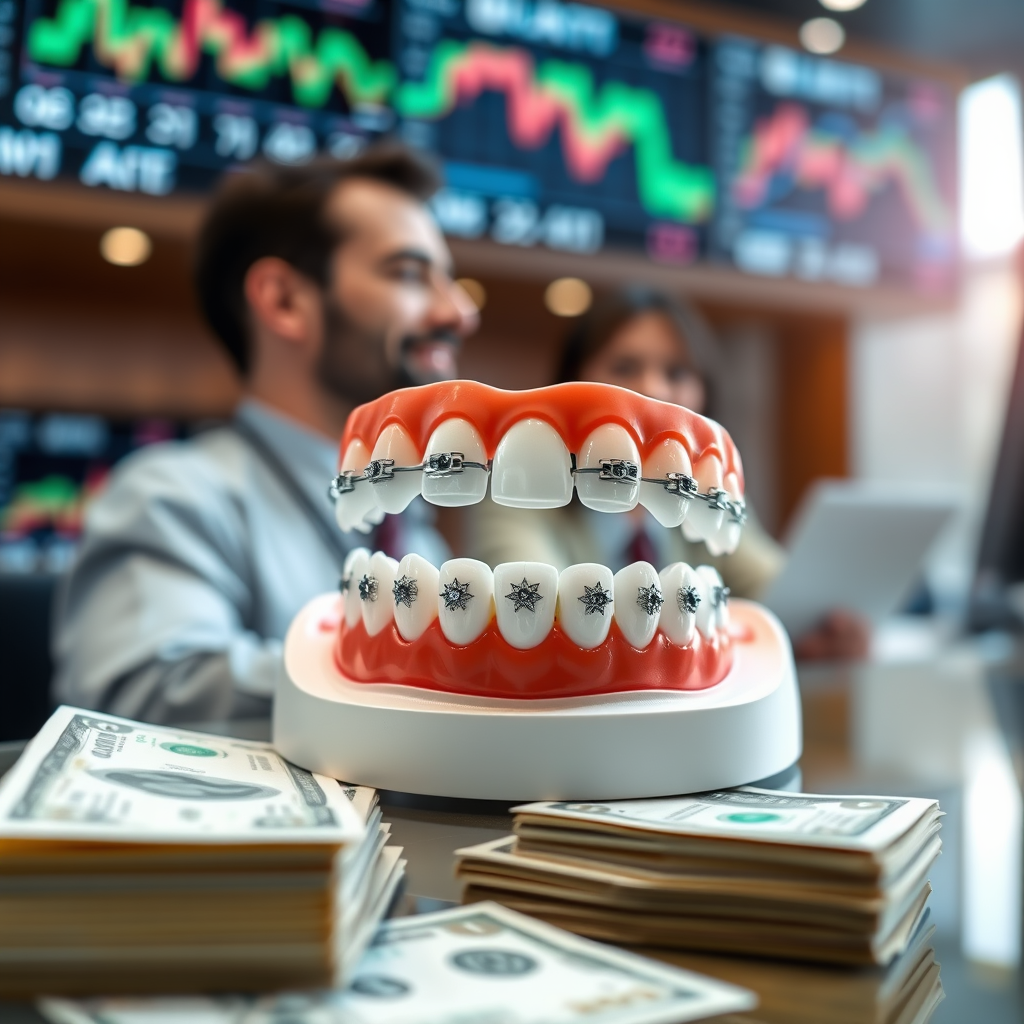

Braces for adults can cost anywhere from $3,000 to $8,000 without insurance, depending on various factors such as the type of braces and the complexity of the case. This financial commitment can be daunting, but understanding the landscape of orthodontic treatment costs can help you navigate your options more effectively. In this article, we’ll explore the different costs associated with adult braces, what affects the pricing, and options available for financing your treatment.
Understanding the Types of Braces

When considering braces, it is crucial to understand the different types available, as each comes with its own price range and benefits.
– Metal Braces: Traditional metal braces are typically the most affordable option, ranging from $3,000 to $7,000. Made from stainless steel, these braces are highly effective for various alignment issues. They are also the most visible option, which may be a consideration for adult patients.
– Ceramic Braces: For those seeking a more aesthetic solution, ceramic braces offer a less noticeable alternative. These braces blend in with the natural color of the teeth, making them a popular choice among adults. However, they come at a higher price, often costing between $4,000 and $8,000. While they are less visible, they may require more maintenance and can be more susceptible to staining.
– Lingual Braces: Lingual braces are custom-made to fit the back of the teeth, offering a completely hidden option for adults concerned about aesthetics. However, the costs for lingual braces generally start around $8,000 and can go up depending on the complexity of the case. They require specialized training for orthodontists, which contributes to their higher price.
Understanding these options can help you make an informed choice based on your budget, aesthetic preferences, and orthodontic needs.
Factors Influencing Braces Costs
The cost of braces is not solely determined by the type you choose; several other factors can influence the overall expense.
– Complexity of Treatment: The severity of your dental misalignment significantly impacts the cost of braces. Patients with more complex orthodontic problems, such as severe crowding or bite issues, may require additional procedures or longer treatment times, leading to higher costs.
– Duration of Treatment: The length of time you will need to wear braces can also affect the overall price. Standard treatment times range from 18 to 36 months, with longer treatments often resulting in higher costs due to the necessity for more frequent adjustments and visits.
– Geographic Location: Prices for orthodontic treatment can vary widely based on geographic location. Urban centers with a higher cost of living may charge more for braces than rural areas. It’s worth researching local orthodontists to gauge the average costs in your region.
These factors underscore the importance of a comprehensive consultation with your orthodontist to better understand the potential costs associated with your specific treatment plan.
Hidden Costs of Braces
While the initial price quote for braces may seem straightforward, there can be hidden costs that catch patients off guard.
– Initial Consultation Fees: Some orthodontists charge a fee for the initial consultation, typically ranging from $50 to $200. It’s essential to inquire about any consultation fees upfront to avoid unexpected expenses.
– Retainers: After the removal of braces, retainers are often necessary to maintain the new position of the teeth. However, many treatment plans do not include the cost of retainers, which can run anywhere from $100 to $500.
– Adjustments: Regular visits for adjustments are a part of the braces treatment process. While these appointments are essential for progress, they can add to the total cost depending on how frequently you need to visit the orthodontist, which is typically every 4 to 8 weeks.
Being aware of these potential hidden costs can help you budget more effectively for your orthodontic treatment.
Financing Options for Adult Braces
Navigating the financial aspect of braces can be challenging, but several financing options can alleviate the burden.
– Payment Plans: Many orthodontists recognize the financial strain that braces can impose and offer in-house financing options. These payment plans allow you to spread the cost over several months, often with little to no interest, making it easier to manage your budget.
– Health Savings Accounts (HSAs): If you have an HSA, you can use pre-tax dollars to cover some of your orthodontic expenses. This not only reduces your taxable income but also helps manage the overall cost of treatment.
– Credit Options: Third-party financing companies offer credit options specifically for healthcare expenses, including braces. These options often provide flexible payment plans, allowing you to make manageable monthly payments while receiving the necessary treatment.
Exploring these financing options can help make braces a more feasible investment in your dental health.
Insurance Alternatives
If you do not have dental insurance, consider these alternatives that can help reduce the overall cost of braces.
– Discounts Through Dental Plans: Some dental plans may offer discount programs that provide reduced rates for orthodontic services. While these plans are not traditional insurance, they can still help offset some of your costs.
– Flexible Spending Accounts (FSAs): Similar to HSAs, FSAs allow you to use pre-tax income to cover eligible medical expenses, including orthodontic treatment. This can significantly reduce your out-of-pocket expenses for braces.
Researching these alternatives can provide additional avenues for financial support, making braces more affordable.
Tips for Reducing the Cost of Braces
Here are some strategic tips for reducing the overall cost of braces while ensuring you receive quality treatment.
– Shop Around: Don’t settle for the first orthodontist you consult. Schedule consultations with multiple orthodontists to compare prices and treatment options. Many practices offer free initial consultations, allowing you to gather information without upfront costs.
– Consider Alternative Treatments: Clear aligners, such as Invisalign, have gained popularity among adults seeking a discreet orthodontic option. In some cases, clear aligners can be less expensive than traditional braces, depending on the complexity of the case.
– Look for Promotions: Many orthodontic practices offer seasonal discounts or referral bonuses for new patients. Keep an eye out for promotions that may help you save on your treatment costs.
Taking the time to explore these options can help you secure the best possible treatment within your budget.
Investing in braces as an adult can be a significant financial commitment, but understanding the costs and exploring available options can make the process more manageable. By comparing different types of braces and considering financing solutions, you can find a path that suits both your dental needs and budget.
Taking the first step toward a healthier smile starts with researching your options and scheduling consultations with local orthodontists. Don’t wait—start planning your journey to a confident smile today!
Frequently Asked Questions
How much do braces typically cost for adults without insurance?
The cost of braces for adults without insurance can range significantly, averaging between $3,000 to $8,000 depending on various factors. These factors include the type of braces chosen (traditional metal, ceramic, lingual, or clear aligners), the complexity of the dental issue being treated, and the length of the treatment plan. It’s essential to consult with an orthodontist to get an accurate estimate based on your specific needs.
What are the different types of braces available for adults, and how do their costs compare?
Adults have several options for braces, including traditional metal braces, ceramic braces, lingual braces, and clear aligners like Invisalign. Traditional metal braces are usually the most affordable option, ranging from $3,000 to $7,000, while ceramic braces and clear aligners may cost between $4,000 and $8,000. Lingual braces, which are attached to the back of the teeth, often fall on the higher end of the price spectrum, typically costing $8,000 or more due to their complexity.
Why are braces for adults often more expensive than for children?
Braces for adults are typically more expensive than for children primarily due to the complexity of the treatment and the duration of care required. Adults often have more severe dental issues, such as bone density changes and previous dental work, which can complicate the orthodontic process. Additionally, adult orthodontic treatment may require more frequent adjustments and longer treatment times, contributing to higher overall costs.
How can adults afford braces without insurance?
Adults can afford braces without insurance by exploring several financing options, such as payment plans offered by orthodontic offices, personal loans, or health savings accounts (HSAs). Many orthodontists provide flexible payment plans that allow patients to spread the cost over time, making it more manageable. Additionally, some dental discount plans can offer reduced rates on orthodontic treatment, which can be a cost-effective alternative to traditional insurance.
Which factors should I consider when choosing an orthodontist for braces as an adult?
When selecting an orthodontist for braces as an adult, consider their experience and specialization in adult orthodontics, the technology and types of braces they offer, and their office location for convenience. It’s also crucial to read reviews and possibly schedule consultations to gauge their approach to treatment and patient care. Comparing costs and financing options can also help ensure you choose an orthodontist who fits your budget and needs.
References
- https://www.ada.org/en/science-research/health-policy-institute/market-research/braces-costs
- https://www.healthline.com/health/braces-cost
- https://www.ncbi.nlm.nih.gov/pmc/articles/PMC6447885/
- https://www.aaoinfo.org/orthodontics/cost-of-orthodontics/
- https://www.webmd.com/oral-health/guide/braces-costs
- https://www.mayoclinic.org/diseases-conditions/malocclusion/diagnosis-treatment/drc-20306029