
Installing a metal roof can indeed lower your homeowners’ insurance premiums, as many insurance companies offer discounts for roofing materials that provide better durability and protection. Metal roofs are known for their resilience against severe weather, longevity, and energy efficiency, making them an attractive option for homeowners. In this article, we’ll explore how metal roofs can impact your insurance rates, the benefits they offer, and what factors you should consider when evaluating potential savings.
Benefits of Metal Roofs
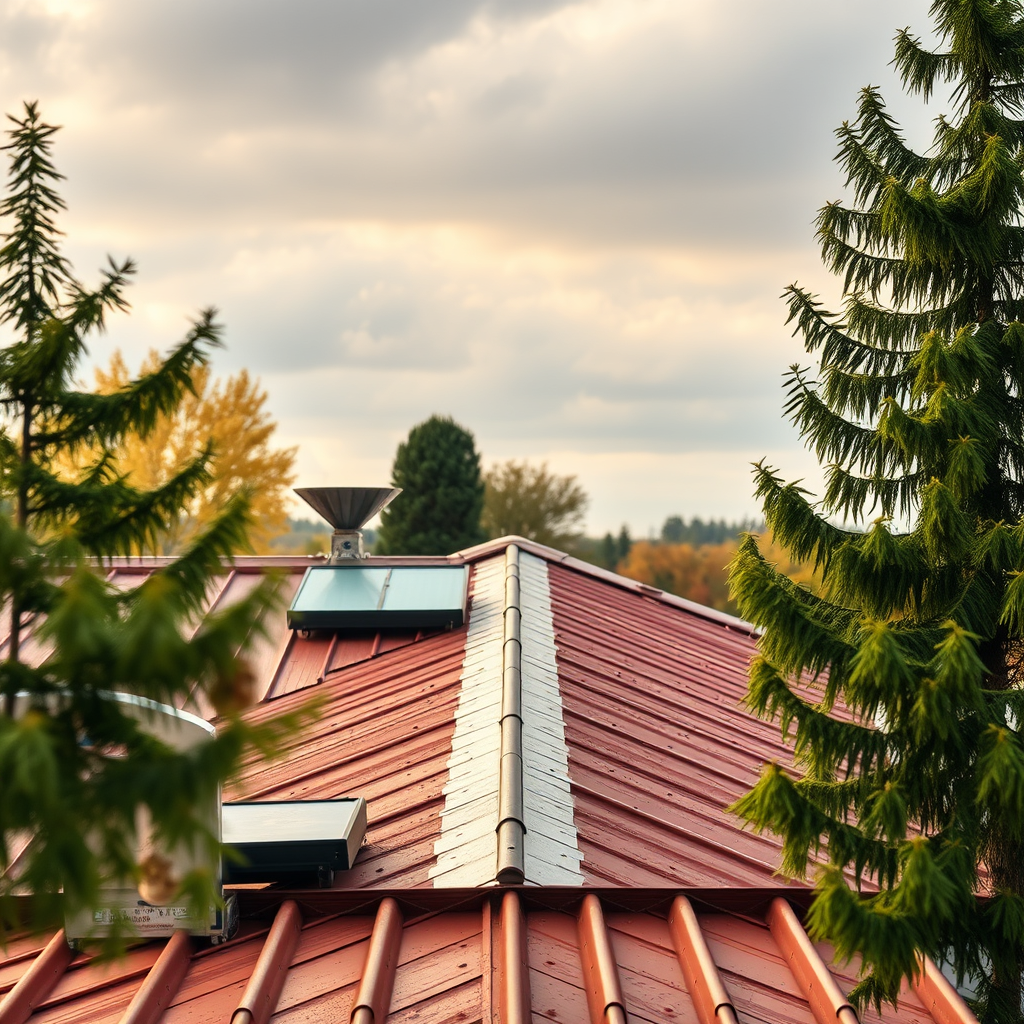
Metal roofs offer a variety of compelling advantages that extend beyond aesthetic appeal. One of the most significant benefits is their longevity; while traditional roofing materials, such as asphalt shingles, typically last around 15 to 30 years, metal roofs can endure for 50 years or more with proper maintenance. This extended lifespan reduces the frequency of roof replacements, which can be costly and disruptive.
Additionally, metal roofs exhibit exceptional resistance to extreme weather conditions. They can withstand high winds, heavy rain, hail, and even wildfires, significantly decreasing the likelihood of damage and subsequent insurance claims. For instance, homeowners in hurricane-prone areas often find that metal roofs withstand the elements better than traditional roofing options, making them a smart investment from both a safety and financial perspective. Moreover, many metal roofs are designed to reflect sunlight, which can lead to lower energy bills due to reduced cooling costs in warmer months.
Insurance Company Perspectives
Insurance companies generally view metal roofs as a lower risk compared to other roofing materials. This perception stems from the durability and protective qualities that metal roofs provide. Many insurers recognize the resilience of metal roofs and may reward homeowners with lower premiums as a result. For instance, some insurance companies offer discounts that can range from 5% to 35%, depending on the specifics of the policy and the insurance provider.
However, discounts can vary widely among insurers, making it essential for homeowners to shop around. It is advisable to obtain quotes from multiple insurance companies to find the best rates. When doing so, be sure to inquire about available discounts for metal roofing specifically. A proactive approach can lead to significant savings, especially if you are switching from a less durable roofing material.
Factors Influencing Insurance Discounts
While the type of roofing material plays a crucial role in determining insurance premiums, several other factors also influence the amount of discount you may qualify for. The specific type of metal roofing material used can affect the discount; for example, standing seam metal roofs are often considered more durable and may garner a larger discount than corrugated metal roofs.
Additionally, the quality of the installation is paramount. Insurers often assess whether the roof was installed according to local building codes and manufacturer specifications. A well-installed roof that adheres to the latest safety standards can qualify for better discounts. Homeowners should consider hiring certified contractors with experience in metal roofing installation to ensure compliance with all local regulations and standards.
Additional Considerations for Homeowners
While the initial costs for metal roofs can be higher than those of traditional materials, the long-term savings on insurance premiums and maintenance can be significant. Metal roofs often require less upkeep due to their durability, which can lead to reduced repair costs over time. Furthermore, many metal roofs come with warranties that last 30 years or more, providing additional peace of mind.
Homeowners should also consider the energy efficiency of metal roofs. Their reflective properties can reduce cooling costs, which is particularly beneficial in regions with hot climates. Moreover, a metal roof can enhance the resale value of a home, making it an attractive option for future buyers who may appreciate the lower maintenance and energy costs associated with this type of roofing.
How to Communicate With Your Insurance Agent
When discussing potential discounts with your insurance agent, it is essential to be well-prepared. Start by gathering documentation that details your roof’s material, age, and installation. This information will help your agent understand the specifics of your roofing system and how it may impact your insurance premiums.
Don’t hesitate to ask specific questions about available discounts for metal roofing. Inquire about the percentage of discount you might qualify for, how often these discounts are reviewed, and if there are any steps you can take to maximize your savings. Being proactive in this conversation can help ensure you receive the best possible rate on your homeowners’ insurance.
Real-Life Case Studies
Numerous homeowners have made the switch to metal roofs and subsequently experienced notable reductions in their insurance premiums. For example, a homeowner in Florida reported a 20% decrease in their homeowners’ insurance after installing a metal roof, which they attributed to the enhanced protection against hurricanes and severe storms. This not only lowered their monthly expenses but also provided peace of mind knowing their home was better protected.
Another case involved a couple in Texas who replaced their traditional asphalt shingles with a standing seam metal roof. They reported a 15% reduction in their insurance premiums, alongside a significant decrease in their energy bills during the scorching summer months. These real-life examples highlight the potential financial benefits of investing in a metal roof.
Steps to Take When Considering a Metal Roof
If you are contemplating a new metal roof, the first step is to research different metal roofing options available in your area. Consider factors such as durability, aesthetics, and cost when evaluating your choices. It is also wise to obtain quotes from multiple contractors to ensure competitive pricing and quality workmanship.
Additionally, contact your insurance provider to understand how a new roof may impact your policy. Discuss potential discounts and any specific requirements you may need to meet to qualify for those savings. By taking these proactive steps, you can make an informed decision that benefits both your home and your wallet.
Homeowners can benefit significantly from installing a metal roof, not only through long-term durability and energy savings but also through potential reductions in insurance premiums. As discussed, metal roofs offer numerous advantages that can enhance your home’s value and security. If you’re considering a roof upgrade, reach out to your local roofing professionals and insurance agents to discuss your options and discover the savings you could unlock.
Frequently Asked Questions
Does having a metal roof lower my home insurance premiums?
Yes, installing a metal roof can potentially lower your home insurance premiums. Insurance companies often view metal roofs as a safer option due to their durability and resistance to fire, wind, and hail damage. This reduced risk can translate into lower insurance costs, but the exact savings will depend on your insurance provider and your specific policy details.
How much can I save on my insurance with a metal roof?
The savings on your insurance premiums with a metal roof can vary widely, typically ranging from 5% to 25%, depending on your location and insurance company. Factors like your home’s value, the type of metal roofing, and the overall risk profile of your home will influence these savings. It’s advisable to get quotes from different insurers to compare potential premium reductions.
Why do insurance companies prefer metal roofs over other roofing materials?
Insurance companies prefer metal roofs because they are more resistant to severe weather conditions, such as high winds and heavy hail, compared to traditional roofing materials like asphalt shingles. Additionally, metal roofs have a longer lifespan, often lasting 40-70 years, which means less frequent claims for roof replacement or repairs. This reduced frequency of claims makes homes with metal roofs less risky for insurers.
What types of metal roofs provide the best insurance discounts?
When it comes to insurance discounts, standing seam metal roofs are often favored due to their interlocking design, which provides superior wind resistance. Other types, such as metal shingles or tiles, can also yield discounts, but standing seam tends to offer the most robust protection against the elements. Always check with your insurance provider to see which specific materials qualify for discounts.
Should I inform my insurance company after installing a metal roof?
Yes, it is essential to inform your insurance company after installing a metal roof. Not only may this help you qualify for discounts, but it also ensures that your policy reflects the current condition of your home. Failure to update your policy could result in complications during claims or when renewing your coverage, as your home’s risk profile has changed with the new roofing.
References
- https://www.ncbi.nlm.nih.gov/pmc/articles/PMC6375356/
- 404 – Page not found | III
- https://www.thebalance.com/metal-roofs-what-you-need-to-know-4178208
- https://www.forbes.com/advisor/home-insurance/metal-roofs-insurance-discounts/
- ConsumerReports.org – Page not found error – Consumer Reports
- The 23 best hand creams, tested by editors