

While it may not be legally required, having insurance on vacant land is highly recommended to protect against potential liabilities and losses. Vacant land can present unique risks, including accidents that may occur on the property, environmental hazards, and the threat of vandalism or theft. This article will delve into the key reasons for considering insurance, types of coverage available, and factors that may influence your decision, equipping you with the knowledge to make an informed choice regarding your vacant land investment.
Understanding Vacant Land Insurance
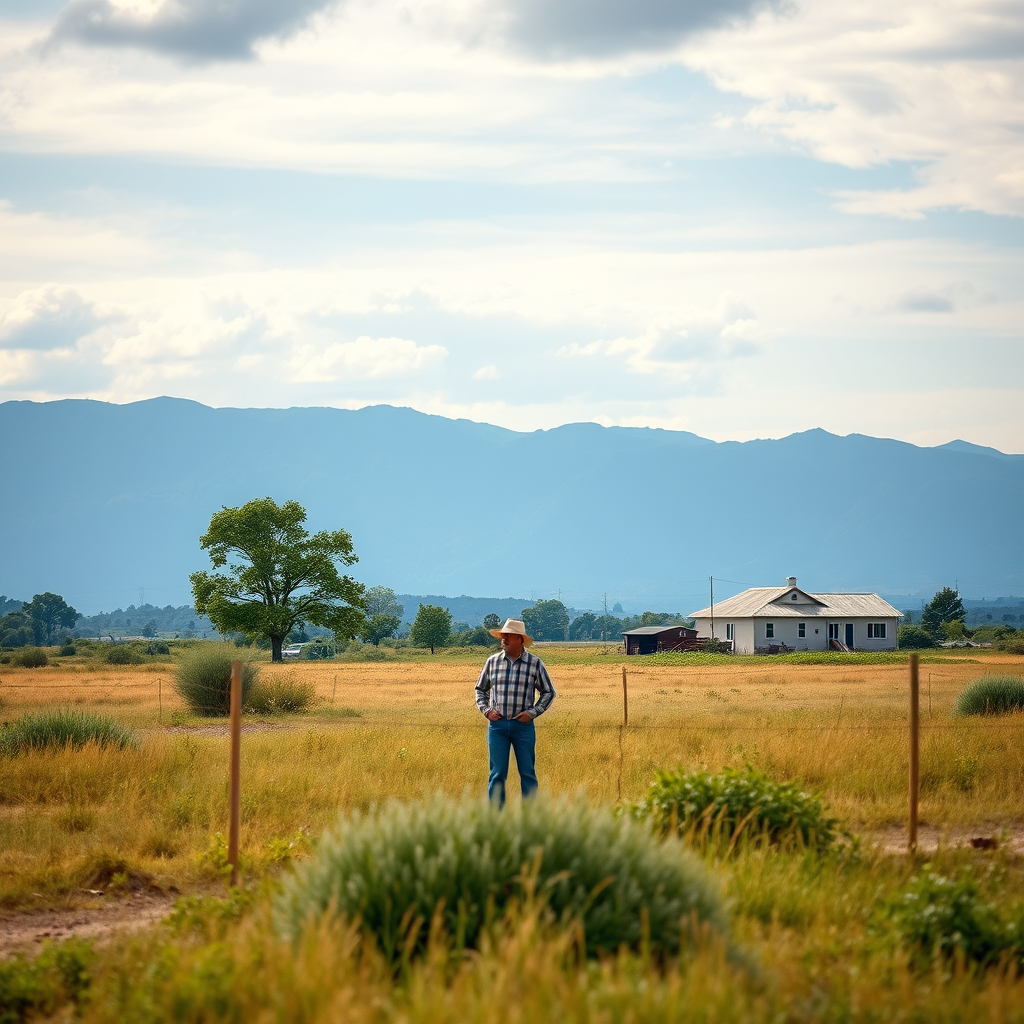
Vacant land insurance is designed to provide coverage against various liabilities that may arise from owning a piece of land that is not currently being used. One of the primary functions of this insurance is to protect against liability claims stemming from accidents on your property, which can happen even if the land is unoccupied. For instance, if a person were to trespass on your vacant land and suffer an injury, you could potentially be held liable for their medical expenses and other damages.
Additionally, vacant land insurance can cover loss or damage due to natural disasters such as floods, wildfires, or earthquakes, as well as vandalism or theft. These types of incidents can lead to significant financial loss, especially if the land is intended for future development or resale. By securing insurance, landowners can mitigate the financial impact of these unforeseen events, ensuring that their investments remain protected.
Types of Insurance Coverage for Vacant Land
When considering insurance for vacant land, it is important to understand the various types of coverage available.
– General Liability Insurance: This is the most common type of coverage for vacant land. It protects against third-party injuries or property damage that may occur on your property. For example, if someone were to slip and fall while walking on your vacant land, general liability insurance would help cover their medical expenses and any legal fees you may incur as a result of a lawsuit.
– Property Insurance: This type of insurance specifically covers damages to the land itself from certain risks. Property insurance can protect against events such as fire, flooding, or theft of materials that may be stored on the land. Depending on the policy, it may also cover the cost of debris removal in the event of a natural disaster, ensuring that you can restore the land to its original condition without incurring significant out-of-pocket expenses.
Understanding these types of coverage can help landowners tailor their insurance policies to fit their specific needs and risks associated with their vacant land.
Reasons to Consider Insurance on Vacant Land
There are several compelling reasons to consider obtaining insurance for your vacant land.
– Liability Protection: Despite being unoccupied, vacant land can still be a site for accidents. Liability claims can be costly, and without insurance, you may find yourself facing significant financial burdens. For example, if a child were to get injured while playing on your vacant land, you could be held liable for their injuries, leading to potential legal ramifications.
– Lender Requirements: If you have financed the purchase of your vacant land, your lender may require you to carry insurance to protect their investment. Lenders want to ensure that the property retains its value and that they are safeguarded against any liabilities that could affect your ability to repay the loan. In such cases, obtaining the required insurance can be essential for maintaining the financing agreement.
By considering these factors, landowners can better understand the importance of securing insurance for their vacant land holdings.
Factors Influencing Insurance Needs
Several factors can influence the type and amount of insurance coverage you may need for your vacant land.
– Location: The geographical area where the land is located can significantly impact your insurance requirements. For instance, if your vacant land is situated in a region prone to natural disasters such as hurricanes, floods, or wildfires, you may need to invest in more extensive coverage to protect against these specific risks. Additionally, urban areas may have higher crime rates, necessitating coverage against vandalism or theft.
– Intended Use: Your future plans for the land can also affect your insurance needs. If you plan to develop the land for residential or commercial purposes, you may require a more comprehensive insurance policy that covers additional risks associated with construction and development. Conversely, if the land is intended solely for recreational use, your coverage may differ significantly.
Evaluating these factors can help you tailor your insurance policy to meet your specific needs and ensure that you are adequately protected.
Cost of Insurance for Vacant Land
The cost of insurance for vacant land can vary widely based on several factors, including location, coverage limits, and risk factors associated with the property. Generally, premiums can range from a few hundred dollars to several thousand dollars annually, depending on the specifics of the land and the coverage selected.
It is essential to compare quotes from different insurers to find the best coverage at a reasonable price. Many insurance companies offer online tools that allow you to enter your property details and receive customized quotes. Additionally, working with an insurance agent who specializes in vacant land can provide valuable insights and help you navigate the complexities of land insurance.
When considering the cost of insurance, it is also important to evaluate the potential financial implications of being uninsured. The cost of a single liability claim can far exceed the annual premium of a policy, making insurance a prudent investment.
Alternatives to Traditional Insurance
For some landowners, traditional insurance may not be the most suitable option. Here are two alternatives to consider:
– Self-Insurance: This approach involves setting aside a dedicated fund to cover potential losses or liabilities. While this can provide flexibility, it requires careful financial planning and a realistic assessment of the risks associated with your vacant land. Self-insurance may be suitable for individuals who have sufficient financial resources to cover unexpected expenses without jeopardizing their financial stability.
– Umbrella Policies: An umbrella policy offers additional liability coverage that extends beyond the limits of your existing policies. This can provide an extra layer of protection for landowners who already carry general liability or property insurance. An umbrella policy can be particularly beneficial if you have multiple properties or engage in activities that increase your liability exposure.
Considering these alternatives can help you determine the best approach for managing risks associated with your vacant land.
Securing insurance for vacant land is not mandated by law, but it is a wise investment to protect against potential liabilities and losses. By understanding the types of coverage available, the reasons to consider insurance, and the factors influencing your needs, you can make an informed decision that safeguards your investment. Always evaluate your specific circumstances and consult with an insurance agent to determine the best coverage options for your vacant land, ensuring you are adequately protected against unforeseen events.
Frequently Asked Questions
Do I need insurance for vacant land I own?
Yes, while it may not be legally required, having insurance for vacant land is highly advisable. Vacant land can be susceptible to various risks, including theft, vandalism, or liability if someone is injured on the property. A landowner’s insurance policy can protect you from these risks and potential financial losses.
What type of insurance is best for vacant land?
The best type of insurance for vacant land is typically a landowner’s liability insurance policy. This type of insurance covers legal fees and compensation costs if someone is injured on your property. Additionally, you may consider adding a theft or vandalism policy if you plan to leave equipment or structures on the land.
How much does insurance for vacant land cost?
The cost of insurance for vacant land can vary widely depending on factors such as the location, size of the property, and any specific risks associated with it. On average, you might expect to pay anywhere from $200 to $1,000 annually for a basic liability policy. It’s wise to shop around and obtain quotes from multiple insurance providers to find the best rate.
Why is it important to insure vacant land?
Insuring your vacant land is important because it protects you from unforeseen liabilities and financial loss. Even if the land is vacant, you could still be held liable for accidents or injuries that occur on your property. Insurance provides peace of mind, ensuring that you are covered against potential legal claims or damages.
Which factors should I consider when choosing insurance for vacant land?
When choosing insurance for vacant land, consider factors such as the land’s location, its intended use, and the specific risks it may face. Evaluate coverage options that include liability protection, theft, and damage from natural disasters. Additionally, check the insurer’s reputation and customer service, as well as any exclusions or limitations that could affect your coverage.
References
- https://www.nolo.com/legal-encyclopedia/insurance-vacant-land-32441.html
- 404 – Page not found | III
- propertycasualty360.com
- https://www.fema.gov/emergency-managers/risk-management/insurance/vacant-structures
- https://www.thebalance.com/vacant-land-insurance-4171629
- https://www.investopedia.com/terms/v/vacant-land-insurance.asp