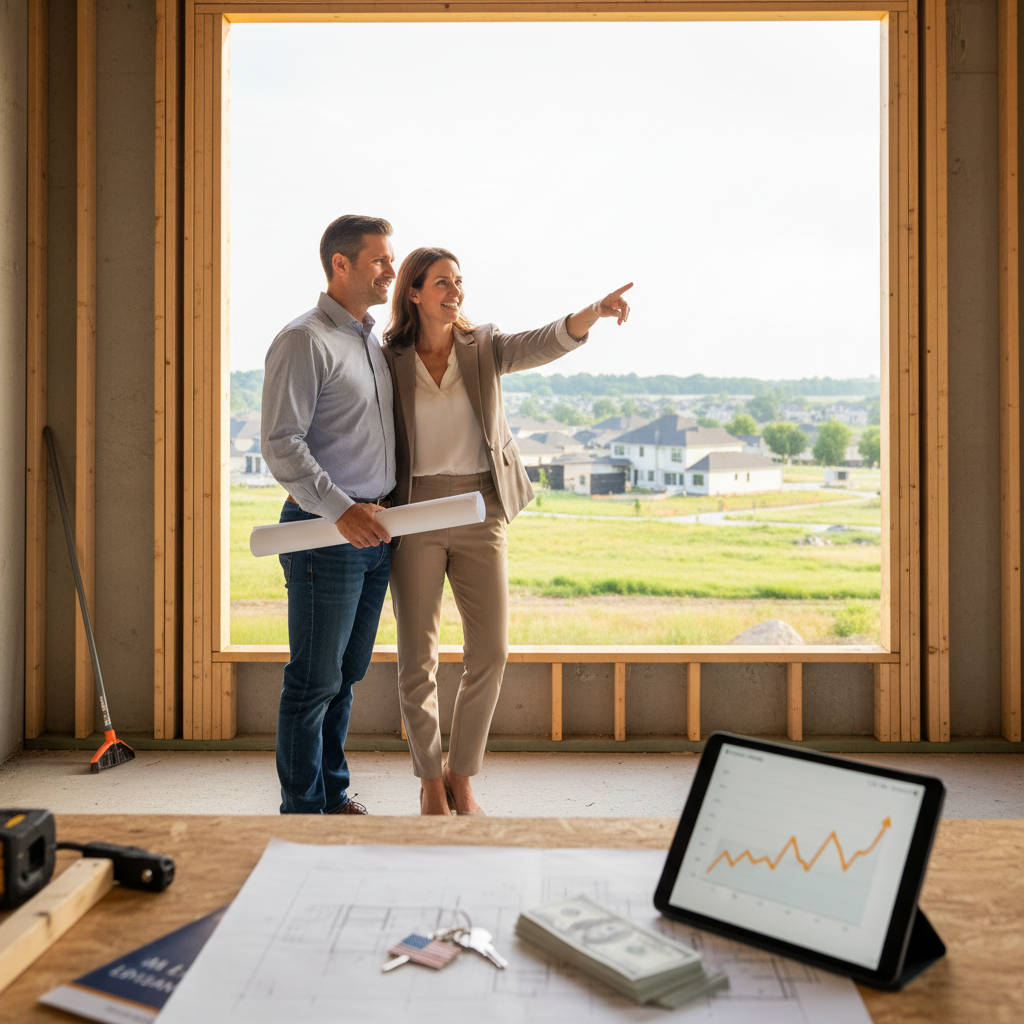

Building a home with a VA loan is not only possible, but it can also be a smart choice for eligible veterans and active-duty service members. VA loans provide unique advantages, such as no down payment and competitive interest rates, making them an attractive option for financing new construction. In this article, we’ll explore how VA loans work for new construction, the eligibility requirements, and the steps to take if you’re considering building your dream home.
Understanding VA Loans for Construction
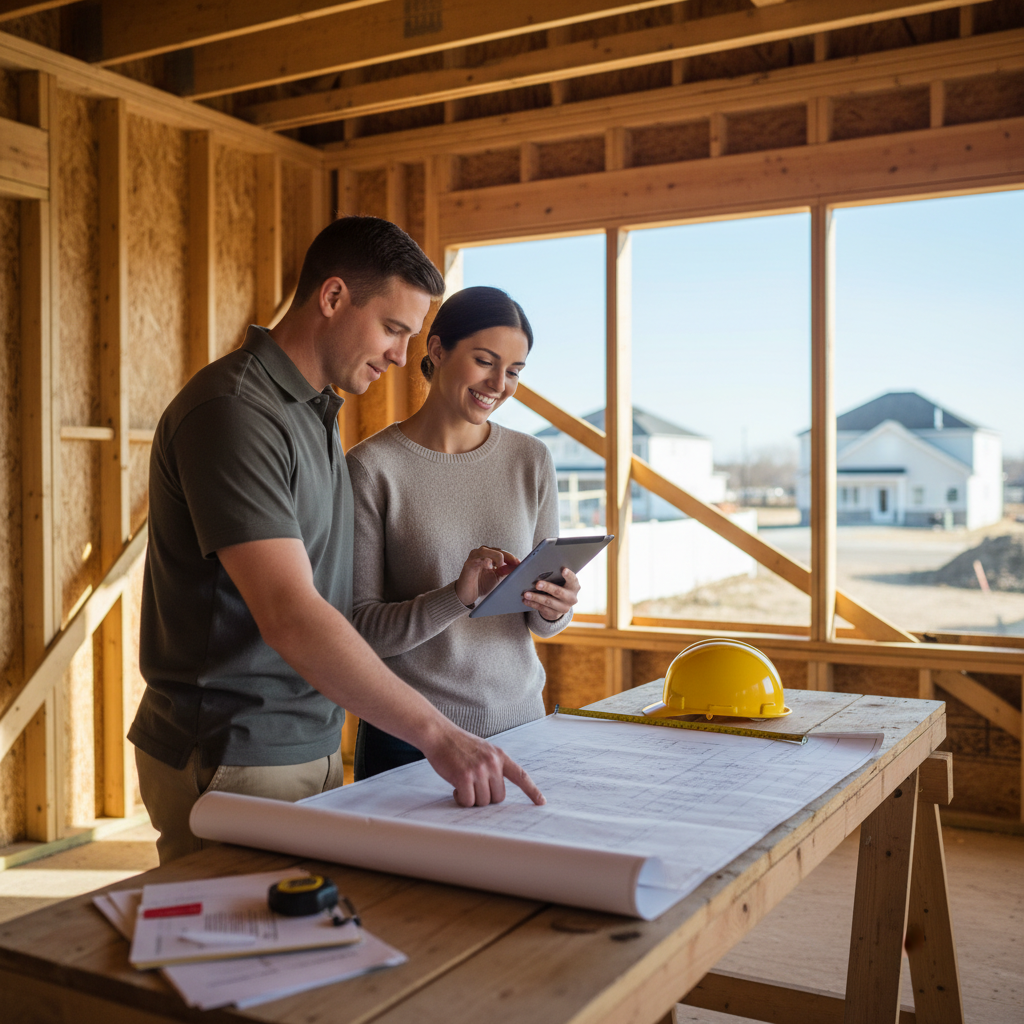
VA loans can be utilized not just for purchasing an existing home but also for building a new one, offering favorable terms that make homeownership accessible to many veterans and active-duty personnel. Unlike traditional loans, VA loans are backed by the Department of Veterans Affairs, which eliminates the need for a down payment and often results in lower interest rates. This can translate into substantial savings over the life of the loan. Furthermore, VA loans do not require private mortgage insurance (PMI), which is a common requirement for conventional loans when the down payment is less than 20%. This combination of benefits makes VA loans an appealing choice for those looking to build their homes.
Eligibility Requirements for VA Loans
To qualify for a VA loan, applicants must meet specific service requirements set by the Department of Veterans Affairs. Generally, this includes having served for a minimum of 90 days of active duty during wartime or 181 days during peacetime. In addition to service requirements, potential borrowers must obtain a Certificate of Eligibility (COE) to confirm their entitlement to a VA loan. This document can be obtained through the VA’s online portal or by working with a lender who can assist in the application process. It’s crucial to ensure that all eligibility criteria are met before moving forward with the loan application.
Types of VA Loans for Building a Home
When it comes to building a home with a VA loan, there are primarily two types to consider:
– VA One-Time Close Loan: This option allows borrowers to secure financing for both the land purchase and the construction of the home in a single loan. This means that you will only have to go through the loan process once, simplifying the overall experience.
– VA Construction-to-Permanent Loan: This type involves two separate loans: one for the construction phase and another that converts to a permanent mortgage once the home is built. While this method may involve more steps, it can be beneficial in certain situations, particularly for those who prefer to lock in their permanent mortgage rate once the construction is completed.
Each of these loan types has its own advantages and is suited to different borrower needs, making it essential to assess your financial situation and long-term goals when deciding which option to pursue.
The Process of Building with a VA Loan
The process of building a home using a VA loan begins with obtaining your Certificate of Eligibility and finding a VA-approved lender. This lender will guide you through the loan application process and help you understand the specific requirements for your chosen loan type. It is also vital to work with a builder who is experienced with VA loans and can meet the construction standards set forth by the VA. Engaging a builder familiar with VA guidelines can help avoid potential complications down the line and ensure that the home is built to the required specifications. Additionally, careful budgeting and planning are essential to ensure that the project stays on track and within budget.
Benefits of Using a VA Loan for Construction
One of the most significant advantages of using a VA loan for construction is the elimination of the down payment requirement. This can lead to substantial cost savings, particularly for first-time home builders who may not have significant savings. Moreover, since VA loans do not require private mortgage insurance (PMI), borrowers can enjoy lower monthly payments compared to conventional loans. This can free up additional funds for other expenses, such as building upgrades or furnishing the new home. The favorable terms associated with VA loans can ultimately make homeownership more attainable for many veterans and active-duty service members.
Common Challenges and Considerations
While building a home with a VA loan comes with numerous benefits, there are also challenges and considerations to keep in mind. One of the primary hurdles is that not all builders are familiar with VA loans, which can create complications during the construction process. It is essential to thoroughly research and choose a builder who understands VA requirements to mitigate potential issues. Additionally, construction timelines can vary significantly based on factors such as weather, permitting, and material availability. Therefore, careful planning and open communication with your builder and lender are crucial to avoid delays and ensure a smooth building process.
Tips for a Successful Home Build with a VA Loan
To enhance your chances of a successful home build with a VA loan, consider the following tips:
1. Research and Choose the Right Builder: Look for a builder who has a proven track record with VA loans and understands the specific requirements. Read reviews, ask for recommendations, and verify their credentials to ensure you are making an informed decision.
2. Maintain Open Communication: Keep lines of communication open with both your lender and builder throughout the process. Regular updates will help you stay informed about progress and any potential issues that may arise.
3. Budget for Contingencies: Construction projects can come with unforeseen expenses. It’s wise to budget for contingencies to ensure you can handle any unexpected costs without derailing the project.
4. Understand the VA Requirements: Familiarize yourself with the specific VA guidelines for construction, which may include regulations regarding materials, building codes, and inspections. This knowledge can empower you to make informed decisions throughout the building process.
Building a home with a VA loan can be a rewarding journey, providing veterans with a unique opportunity to own a home tailored to their needs. By understanding the process, requirements, and benefits, you can take the first steps toward creating your ideal living space. If you’re ready to explore your options further, reach out to a VA-approved lender today. The path to your dream home is within reach, and the advantages of a VA loan can make it a reality.
Frequently Asked Questions
Can I build a home with a VA loan?
Yes, you can build a home with a VA loan. The VA loan program allows eligible veterans, active-duty service members, and some surviving spouses to finance the construction of a new home. To do this, you must work with a builder who is approved by the VA, and the loan must cover the cost of construction as well as the land. It’s essential to meet all VA guidelines, including the requirement for the home to be the borrower’s primary residence.
What are the benefits of using a VA loan to build a home?
Using a VA loan to build a home offers several benefits. One of the primary advantages is that VA loans typically do not require a down payment, allowing you to finance 100% of the construction costs. Additionally, VA loans feature competitive interest rates and do not require private mortgage insurance (PMI), which can significantly lower your monthly payments. This makes them an attractive option for eligible veterans looking to construct their dream home.
How do I find a builder for my VA loan home construction project?
To find a builder for your VA loan home construction project, start by researching local builders who have experience with VA loans and are familiar with VA guidelines. You can also ask for recommendations from friends, family, or your real estate agent. Once you have a shortlist, check their credentials and ensure they are licensed and insured. It’s advisable to interview multiple builders and ask for references to ensure they have a solid reputation and track record in constructing homes with VA financing.
Which types of properties can I build with a VA loan?
With a VA loan, you can build a single-family home, a modular home, or a manufactured home that meets specific requirements. However, the property must be intended as your primary residence and must meet VA construction standards. It’s important to note that the VA does not finance investment properties or second homes, so your new construction must be for personal use.
Why is it important to get a VA loan pre-approval before starting my home construction?
Getting a VA loan pre-approval before starting your home construction is crucial because it gives you a clear understanding of your budget and eligibility. Pre-approval helps identify how much you can borrow, streamlining the construction process and allowing you to make informed decisions when selecting a builder and planning your project. Furthermore, having pre-approval strengthens your position when negotiating with builders, as it shows you are a serious buyer with financial backing.
References
- VA-Backed Veterans Home Loans | Veterans Affairs
- https://www.consumerfinance.gov/ask-cfpb/can-i-use-a-va-loan-to-buy-a-home-or-a-condo-article/
- https://www.hud.gov/program_offices/housing/sfh/va/va_home_loans
- https://www.nolo.com/legal-encyclopedia/va-home-loans-32998.html
- https://www.military.com/join-armed-forces/va-home-loans.html
- VA Loan Resources | Bankrate