

Yes, you can use a VA loan for rental property under specific conditions. While VA loans are primarily designed to help veterans and active-duty service members purchase primary residences, there are pathways to leverage these loans for investment properties. This article will delve into the essential details, eligibility requirements, and considerations for utilizing a VA loan for rental properties, providing you with a comprehensive understanding of your options.
Understanding VA Loan Basics
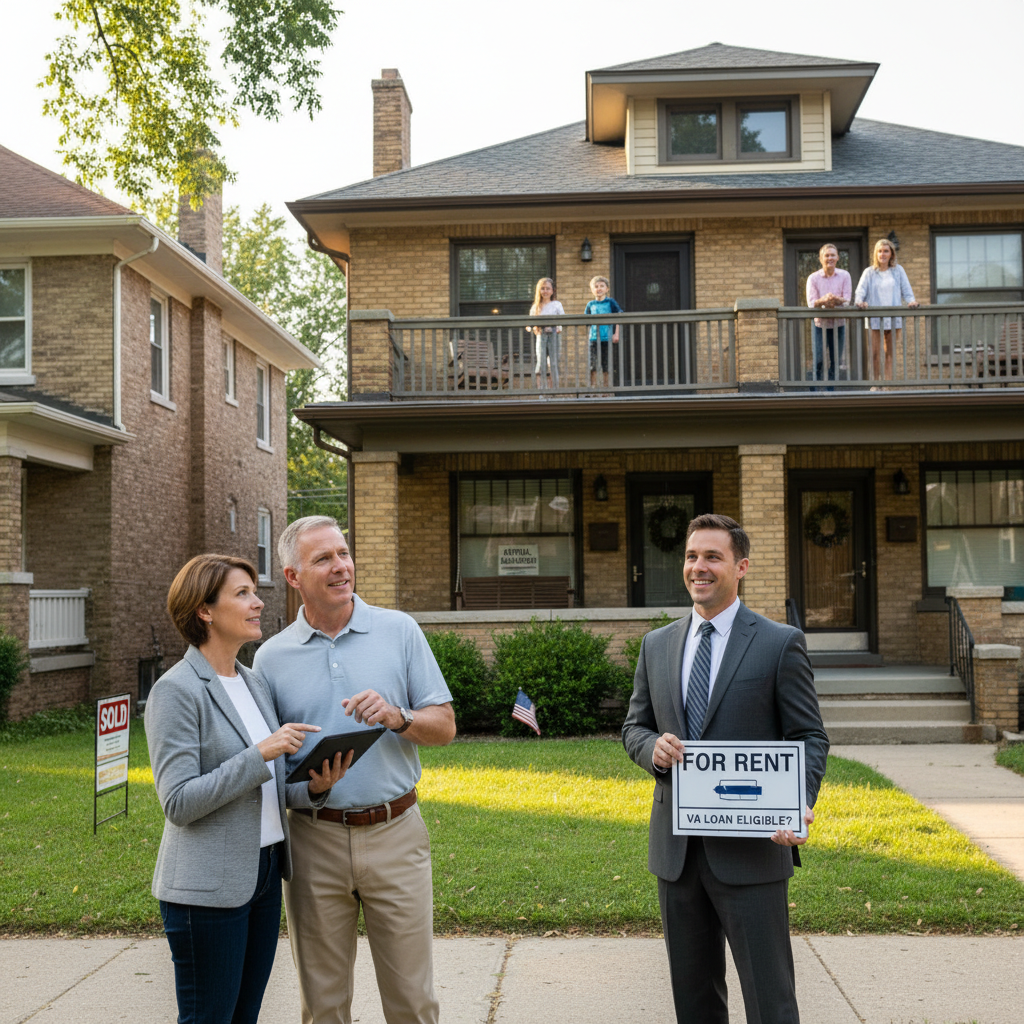
VA loans are government-backed mortgages specifically tailored for eligible veterans, active-duty service members, and certain members of the National Guard and Reserves. One of the most appealing features of VA loans is that they often require no down payment, making home ownership accessible without the substantial upfront costs associated with traditional mortgages. Additionally, these loans typically offer competitive interest rates and do not require private mortgage insurance (PMI), which can significantly lower monthly payments.
The primary purpose of VA loans is to assist service members in purchasing homes they will occupy as their primary residences. This commitment to homeownership is a crucial aspect of the VA loan program, as it aims to provide stability and support to those who have served in the military. However, the flexibility of VA loans extends beyond just primary residences, allowing for potential investment opportunities under certain conditions.
Eligibility for Rental Properties
To utilize a VA loan for rental properties, specific eligibility criteria must be met. Notably, VA loans can be used to finance properties with up to four units, provided that the borrower occupies one of the units as their primary residence. This multifamily approach allows veterans to generate rental income while benefiting from the advantages of a VA loan.
Additionally, veterans who have previously used a VA loan to purchase a primary residence may be eligible to leverage their benefits again for investment purposes. However, they must still meet the necessary income and credit requirements set by lenders. This means that potential borrowers should maintain a strong financial profile to qualify for a VA loan, especially when considering a property that will generate rental income.
Using VA Loans for Multifamily Properties
Investing in multifamily properties can be a strategic way for veterans to achieve financial independence while utilizing VA loan benefits. When purchasing a multifamily property, such as a duplex, triplex, or fourplex, at least one unit must be occupied by the owner to qualify for a VA loan. This requirement not only adheres to VA guidelines but also fosters a sense of responsibility in managing the property.
By living in one unit and renting out the others, owners can create a steady stream of rental income, which can significantly offset mortgage payments and other related expenses. For example, if a veteran buys a triplex for $300,000 and rents out the other two units for a total of $2,000 per month, this income can help cover the mortgage, property taxes, and maintenance costs, effectively allowing the owner to live with reduced housing expenses.
Moreover, this strategy enables veterans to build equity in the property over time, further enhancing their financial portfolio. As the property appreciates, it can serve as a valuable asset for future investments, creating a pathway to wealth-building through real estate.
Refinancing Options for Investment Properties
Beyond purchasing properties, VA loans also offer refinancing options that can be advantageous for rental property owners. The Interest Rate Reduction Refinance Loan (IRRRL), commonly known as a VA streamline refinance, allows borrowers to reduce their interest rates without needing a new appraisal, making the process efficient and cost-effective. This option is particularly beneficial for those looking to lower their monthly payments on an existing VA loan.
Additionally, veterans can explore cash-out refinancing options, which enable them to access the equity built up in their current property. This strategy can provide funds for investing in additional properties or performing necessary renovations that can increase the rental value of the existing property. For instance, if a veteran has accumulated $50,000 in equity, cash-out refinancing could provide them with the necessary capital to acquire another rental property or to improve the current one, thereby enhancing its marketability.
Potential Limitations and Considerations
While using a VA loan for rental properties presents numerous opportunities, there are potential limitations and considerations that borrowers should keep in mind. One key factor is that utilizing a VA loan for investment purposes may limit future borrowing potential. Lenders may view investment properties as higher risk than primary residences, which could impact the financing options available for subsequent investments.
Additionally, managing a rental property entails various responsibilities that can result in additional costs. Landlords must be prepared for property management tasks, including maintenance, tenant relations, and handling vacancies. Understanding local landlord-tenant laws is also crucial, as failing to comply with regulations can lead to legal complications and financial repercussions.
Furthermore, the volatility of the rental market can impact income stability. Economic downturns, changes in local job markets, or shifts in demand for rental properties can affect occupancy rates and rental prices, making it essential for landlords to stay informed and adaptable.
Alternatives to VA Loans for Investment
If the terms of a VA loan do not align with your investment goals or if you seek alternative financing options, several alternatives are available. Conventional loans can be a viable option for investment properties, often providing more flexibility in terms of property types and usage. FHA loans are another alternative that may cater to those with lower credit scores or those seeking to purchase properties requiring renovation.
For properties needing significant improvements, the FHA 203(k) loan can be particularly beneficial. This loan type allows borrowers to finance both the purchase price and the renovation costs into a single mortgage, making it an attractive option for those looking to enhance the value of their investment.
When considering these alternatives, it’s crucial to compare interest rates, terms, and overall costs to determine the best financial fit for your investment strategy. Engaging with mortgage professionals can provide valuable insights into the various options available and help you make informed decisions.
In summary, while you can use a VA loan for rental properties under specific conditions, it’s essential to understand the requirements and limitations. Whether considering multifamily purchases or refinancing options, evaluate your financial situation and investment goals carefully. For further guidance, consult a mortgage professional experienced with VA loans to explore your options and make informed decisions.
Frequently Asked Questions
Can you use a VA loan to purchase a rental property?
Generally, VA loans are designed for primary residences, which means you cannot use them to outright purchase a rental property. However, if you buy a multi-unit property (up to four units) and live in one of the units as your primary residence, you can utilize a VA loan. This allows you to generate rental income from the other units while still meeting the occupancy requirement.
What are the eligibility requirements for using a VA loan for a rental property?
To use a VA loan for a rental property, you must meet specific eligibility criteria, including being an active-duty service member, a veteran, or an eligible surviving spouse. Additionally, the property must be your primary residence, which means you must occupy one of the units if it’s a multi-family home. It’s essential to provide documentation of your military service and meet the lender’s underwriting guidelines.
How does using a VA loan for a multi-family property affect my rental income?
When you use a VA loan to purchase a multi-family property, the rental income from the other units can be factored into your debt-to-income ratio, which may help you qualify for a larger loan. However, you must occupy one unit as your primary residence. It’s important to understand that while the rental income can provide financial support, you must also ensure that the property meets VA appraisal standards and is in good condition.
Why might someone consider using a VA loan for a rental property investment?
Using a VA loan for a rental property can be an attractive investment strategy for veterans and active-duty members due to the zero down payment option, competitive interest rates, and no private mortgage insurance (PMI) requirement. This approach can help build wealth through real estate, providing both a place to live and an opportunity to earn rental income, thus diversifying one’s financial portfolio.
Which lenders offer VA loans for rental properties, and what should I look for?
Many banks, credit unions, and mortgage companies offer VA loans for eligible properties, including multi-family homes. When searching for a lender, look for those experienced in VA loans, as they will be more familiar with the specific requirements and processes. It’s also beneficial to compare interest rates, fees, and customer service reviews to find a lender that can best assist you in your investment journey.
References
- 404 – Page Not Found – Veterans Benefits Administration
- https://www.hud.gov/program_offices/housing/sfh/varesource/
- Quick Real Estate Statistics
- VA Home Loan Types | Veterans Affairs
- https://www.consumerfinance.gov/ask-cfpb/can-i-use-a-va-loan-to-buy-a-rental-property-en-2020/
- https://www.investopedia.com/terms/v/va-loan.asp
- https://www.military.com/money/va-loans/va-loans-for-investment-properties.html