

Using student loans to pay for rent is generally permitted, as these funds can be used for living expenses while you are enrolled in school. Student loans, particularly federal ones, are designed to cover a range of costs associated with higher education, including tuition, textbooks, and essential living expenses like rent. However, while it is permissible, managing this financial aspect wisely is crucial to avoid burdensome debt post-graduation. This article will explore how student loans can be utilized for housing costs, the implications of doing so, and alternative options for managing rent payments.
Understanding Student Loan Usage
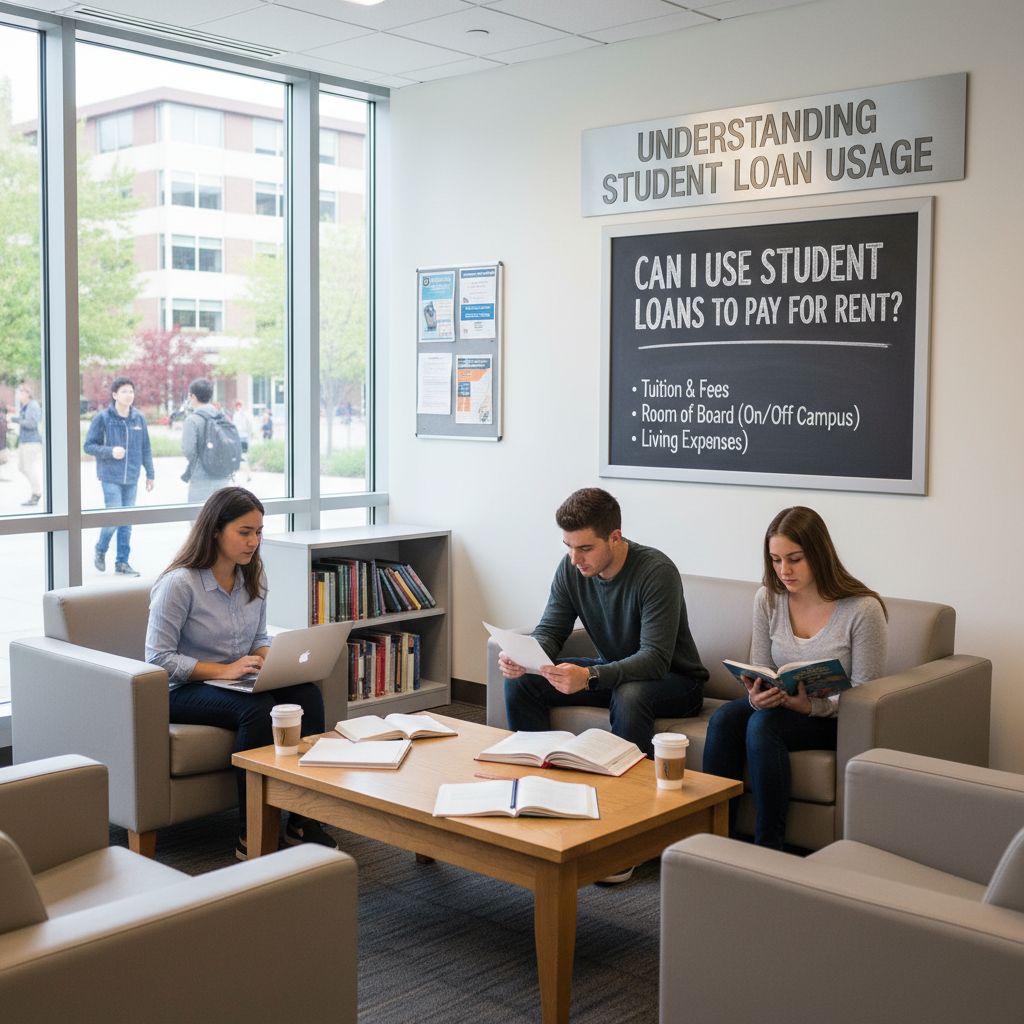
Student loans are a crucial financial resource for many college students, as they can cover not just tuition and fees but also essential living expenses, including rent. According to the U.S. Department of Education, students are allowed to use their loan funds for costs that contribute to their education, and housing is a significant component of this. However, it is essential for students to budget appropriately, as relying too heavily on loans for rent can lead to financial strain later.
When utilizing student loans for rent, students should ensure that they understand their total living expenses. This includes not only rent payments but also utilities, groceries, transportation, and other necessities. A well-planned budget will help ensure that funds last throughout the semester and that students can meet essential living costs without falling into financial distress.
Types of Student Loans
Understanding the different types of student loans available can significantly impact how students manage their finances, particularly when it comes to covering living expenses like rent.
– Federal Student Loans: These loans are often the best option for students due to their lower interest rates and more flexible repayment options. Federal loans, such as Direct Subsidized and Unsubsidized Loans, do not require repayment until after graduation, and the interest on Subsidized Loans is paid by the government while the student is enrolled at least half-time. This can provide a safety net for students who may struggle to make ends meet.
– Private Student Loans: These loans are offered by banks, credit unions, and other financial institutions. While they may offer higher borrowing limits than federal loans, private loans often come with higher interest rates and less favorable repayment terms. Students should carefully consider these factors, as borrowing too much from private sources can lead to significant financial burdens after graduation.
Both federal and private loans can be used for rent, but it’s important for students to weigh their options and choose the type of loan that best fits their financial situation and long-term goals.
How to Allocate Loan Funds for Rent
Allocating student loan funds for rent requires careful planning and budgeting. First, students should determine their overall living expenses, which includes rent, utilities, food, and transportation costs. A detailed budget will help students understand how much they need to allocate for rent and ensure that they do not overextend themselves financially.
When withdrawing loan funds, it’s crucial to only take what is necessary to cover living expenses. Over-borrowing can lead to accumulating more debt than needed, which can significantly impact future financial stability. For example, if a student’s monthly rent is $800, they should plan their loan withdrawals accordingly, ensuring that they have enough left for other essential expenses.
Additionally, students might consider creating a separate account for their loan disbursements to easily track spending related to living expenses. This practice can help maintain financial discipline and minimize the chances of overspending.
Financial Aid and Housing Allowances
Many students may not realize that their financial aid packages can include stipends or allowances for housing and other living expenses. It is essential to review financial aid letters carefully, as they often contain valuable information regarding the types of funding available.
Students should reach out to their school’s financial aid office to inquire about specific housing allowances included in their aid package. In some cases, schools may provide additional funding based on the student’s financial need, which can help cover rent or utility costs. Understanding these allowances can enable students to better plan their budgets and reduce reliance on student loans for living expenses.
Implications of Using Student Loans for Rent
While using student loans to cover rent can be beneficial in the short term, there are implications to consider for long-term financial health. Borrowing for living expenses can significantly increase overall debt, which may affect future financial stability. Graduating with a large amount of student loan debt can limit options for homeownership, car purchases, and other significant financial commitments in the future.
Moreover, it is essential for students to understand the long-term impact on their loan repayment plan. Each dollar borrowed adds to the total amount that must be repaid, along with interest. For instance, if a student borrows an additional $5,000 for rent over their college career, the total cost of this loan could exceed $7,000 or more when considering interest accrued over time. This additional burden can lead to financial stress after graduation, making it vital to approach the decision to use loans for rent with caution.
Alternatives to Using Student Loans for Rent
Students seeking to minimize their reliance on student loans for rent should explore various alternatives. Scholarships and grants can provide funding that does not need to be repaid, which can help cover housing costs. Many organizations offer scholarships specifically aimed at students in need of financial assistance, so it is worth researching options that align with individual circumstances.
Additionally, work-study programs can provide students with part-time job opportunities that help cover living expenses. By working while studying, students can earn money to pay for rent without taking on additional debt.
Finding a roommate is another effective strategy for reducing rent expenses. Sharing an apartment or house can significantly lower individual monthly costs, allowing students to manage their finances more effectively while still pursuing their education.
Tips for Managing Rent Payments
Effectively managing rent payments is crucial for ensuring financial stability while in school. Here are some actionable tips to help students stay on top of their housing expenses:
– Create a Budget: A well-structured budget is essential for tracking income, expenses, and loan disbursements. By categorizing expenses and setting limits, students can ensure they do not overspend and can prioritize their financial needs.
– Set Reminders for Due Dates: To avoid late fees and maintain a good rental history, students should set reminders for rent due dates. Utilizing calendar apps or scheduling alerts can help ensure timely payments, which is vital for building a positive relationship with landlords.
– Consider Automatic Payments: Many landlords offer the option for automatic payments, which can simplify the process of paying rent. By setting up automatic withdrawals, students can ensure their rent is paid on time without the need for manual intervention.
Using student loans for rent can be a viable option, but it’s crucial to approach this decision with a clear understanding of your financial situation. By budgeting effectively, exploring alternative funding sources, and adhering to sound financial practices, students can navigate their living expenses while pursuing their education. Balancing the need for immediate financial assistance with long-term financial planning is key to achieving academic success without overwhelming debt.
Frequently Asked Questions
Can I use student loans to pay for rent while I’m in college?
Yes, you can use student loans to pay for rent while you’re in college. Federal student loans and private loans can cover living expenses, including rent, as long as you include these costs in your budget when applying for financial aid. Just be sure to borrow only what you need, as student loans must be repaid with interest after graduation.
How do I budget my student loans for rent and other living expenses?
To budget your student loans effectively for rent and living expenses, start by calculating your total monthly income from loans, scholarships, and part-time work. Then, list all your essential expenses, including rent, utilities, groceries, and transportation. Subtract your expenses from your income to see how much you have left for discretionary spending, ensuring that your student loans cover your living costs adequately.
Why should I consider using student loans for rent instead of a part-time job?
Using student loans for rent can alleviate the pressure of balancing a part-time job with academic responsibilities. If you’re focused on your studies and need more time for classes, using loans can help you manage your living expenses without sacrificing your academic performance. However, it’s essential to weigh the long-term financial implications of borrowing versus potential income from working.
What are the best student loan options for covering rent?
The best student loan options for covering rent typically include federal Direct Subsidized and Unsubsidized Loans, as they offer lower interest rates and more flexible repayment plans. Additionally, consider private loans if you need to cover a larger rental cost or if federal loans don’t meet your needs. Always compare interest rates and repayment terms before choosing a loan to ensure it aligns with your financial situation.
Which expenses can I cover with my student loans besides rent?
Besides rent, student loans can be used to cover a variety of living expenses, including utilities, groceries, transportation, and even educational materials like textbooks and supplies. It’s crucial to create a budget that factors in all these costs to ensure you’re using your loans wisely and minimizing debt accumulation. Remember, while student loans can support your living expenses, they are not meant for luxury items or non-essential spending.
References
- Federal Student Aid
- https://www.consumerfinance.gov/ask-cfpb/can-i-use-student-loans-to-pay-for-rent-questions/
- https://www.nasfaa.org/uploads/documents/Student_Loans_and_Rent.pdf
- https://www.ed.gov/blog/2020/06/what-you-need-to-know-about-student-loans-and-rent/
- https://www.forbes.com/advisor/student-loans/student-loans-for-rent/
- https://www.usnews.com/education/best-colleges/paying-for-college/articles/can-you-use-student-loans-to-pay-for-rent
- https://www.wisconsin.edu/financialaid/faq/using-student-loans-for-rent/