

Graduate students are not eligible for subsidized loans through federal financial aid. Instead, they can access unsubsidized loans, which accrue interest while the student is in school. Understanding the nuances of these loan types is crucial for managing educational expenses effectively. This article will delve into the options available to graduate students regarding loans, highlighting the differences between subsidized and unsubsidized loans, and exploring alternative financial aid sources.
Understanding Subsidized vs. Unsubsidized Loans
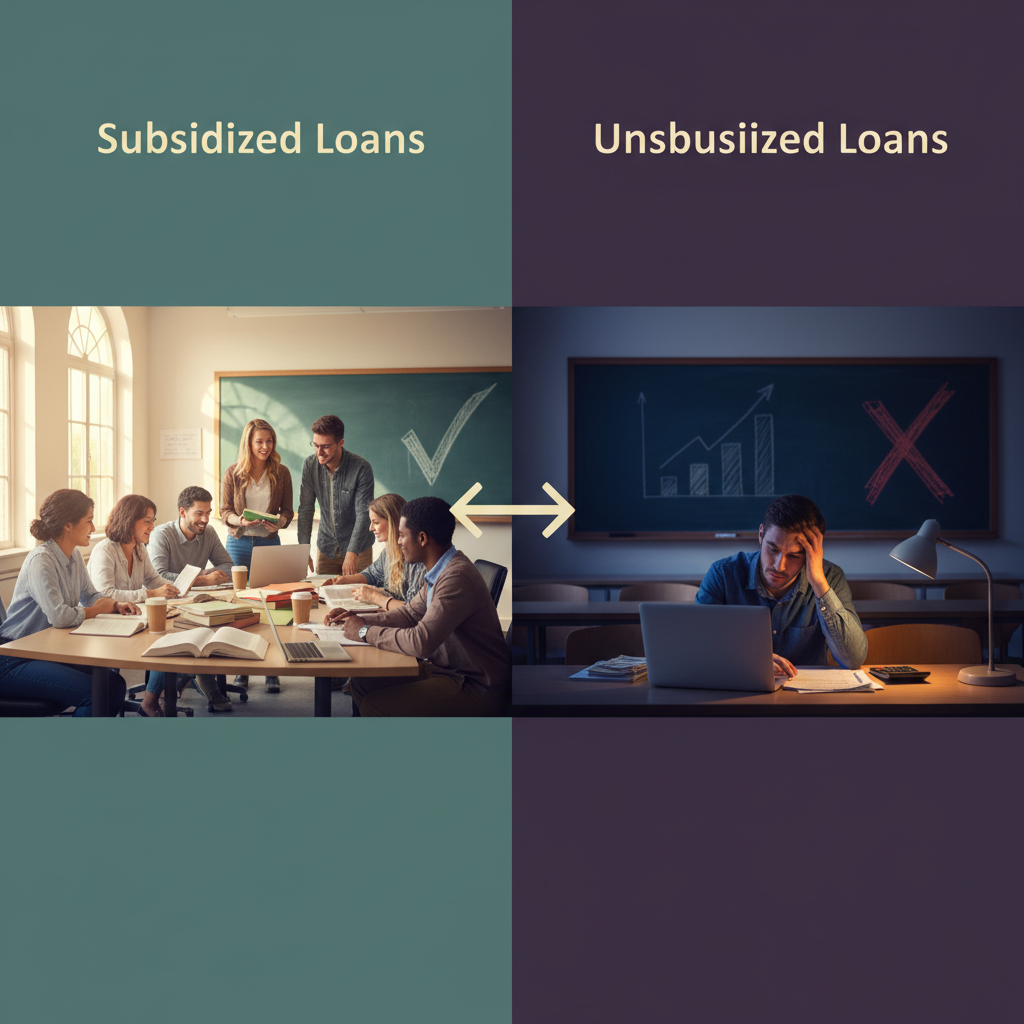
Subsidized loans are designed primarily for undergraduate students who demonstrate financial need. The key benefit of subsidized loans is that they do not accrue interest while the student is enrolled at least half-time, making them a more affordable option for those who qualify. However, this type of funding is not available to graduate students, meaning they must look for alternative financing options.
On the other hand, unsubsidized loans are available to graduate students and do not require the demonstration of financial need. However, the downside is that interest begins to accrue immediately upon disbursement, which can significantly increase the overall cost of borrowing. As of the 2023-2024 academic year, the interest rate on federal unsubsidized loans for graduate students stands at 7.05%. This means that graduate students should carefully consider their repayment strategy and how borrowing will impact their financial future.
Eligibility Criteria for Graduate Loans
To qualify for federal student loans, including unsubsidized loans, graduate students must be enrolled at least half-time in an eligible program. Half-time enrollment typically means taking at least 4.5 to 6 credit hours per semester, depending on the institution. Additionally, students must maintain satisfactory academic progress and be a U.S. citizen or eligible non-citizen.
The financial aid application process is essential for accessing available funds. Graduate students need to complete the Free Application for Federal Student Aid (FAFSA) each academic year. This application collects information about the student’s financial situation and helps determine eligibility for federal loans, grants, and work-study programs. Completing the FAFSA accurately and on time can maximize financial aid opportunities and ensure that students are informed about their funding options.
How to Apply for Unsubsidized Loans
Applying for unsubsidized loans is a straightforward process that begins with filling out the FAFSA. This form requires details about family income, assets, and other financial information. After submitting the FAFSA, the results are sent to the student’s chosen colleges, and they receive a financial aid offer detailing the types and amounts of aid available.
Graduate students should pay attention to the loan limits set by the federal government. For many graduate programs, the limit for unsubsidized loans is $20,500 per academic year, which can significantly aid in covering tuition and other educational expenses. Understanding the loan’s terms, including repayment schedules and interest rates, is vital in planning for future financial obligations.
Once the FAFSA is processed, students will receive a Student Aid Report (SAR) summarizing their financial information. It is crucial to review the SAR for accuracy and to address any discrepancies promptly. Afterward, students can accept the offered loans through their university’s financial aid office, which will facilitate the disbursement of funds.
Alternative Funding Options for Graduate Students
While unsubsidized loans are a common funding method for graduate education, students should also explore scholarships and grants that do not require repayment. Many organizations, including professional associations and foundations, offer scholarships specifically for graduate students. For instance, the American Association of University Women (AAUW) provides fellowships for women pursuing advanced degrees in various fields.
Additionally, graduate assistantships or fellowships can be excellent options. These positions often provide stipends or tuition waivers in exchange for teaching or research responsibilities. This not only helps reduce educational costs but also offers valuable professional experience that can enhance a student’s resume.
Furthermore, many universities have dedicated offices or resources to assist students in finding funding opportunities. Graduate students should take advantage of these resources to discover less widely known financial aid options.
Managing Loan Repayment After Graduation
Once graduates enter the workforce, understanding loan repayment is crucial for maintaining financial health. Federal student loans, including unsubsidized loans, come with various repayment plans tailored to different financial situations. Standard repayment plans typically span 10 years, but graduates can opt for extended or graduated repayment plans if they need lower monthly payments initially.
One option that many graduates find beneficial is income-driven repayment plans (IDR). IDR plans adjust monthly payments based on income and family size, which can significantly ease financial strain for those entering lower-paying fields or those still seeking employment after graduation. Programs like Public Service Loan Forgiveness (PSLF) offer additional benefits for those working in qualifying public service jobs, potentially leading to loan forgiveness after a set period of qualifying payments.
It is essential for graduates to stay informed about repayment options and to communicate with their loan servicer to make the most of available resources.
Resources for Graduate Students Seeking Financial Aid
Graduate students seeking financial aid have a wealth of resources at their disposal. University financial aid offices are invaluable for personalized guidance. They can assist with navigating the FAFSA process, understanding loan options, and identifying scholarships and grants. Additionally, many universities have dedicated staff to help students locate and apply for external funding opportunities.
Online resources also play a crucial role in the search for financial aid. Websites like Fastweb and the College Board can help students discover scholarships tailored to their background, field of study, and interests. Additionally, platforms like GradSchoolHub provide comprehensive lists of grants and fellowships specifically for graduate students.
Networking with faculty members, alumni, and industry professionals can also uncover potential funding sources. Attending workshops, webinars, and career fairs can provide insights into available resources and open doors to funding opportunities.
Understanding your loan options is essential as a graduate student. While subsidized loans are not available, there are still various resources and strategies to help finance your education. It is vital to conduct thorough research, utilize university resources, and connect with your school’s financial aid office to explore all available options. By taking proactive steps, graduate students can effectively manage their educational financing and pave the way for a successful academic journey.
Frequently Asked Questions
Can graduate students apply for subsidized loans?
Graduate students are typically not eligible for subsidized loans through the federal Direct Loan program. Subsidized loans are primarily reserved for undergraduate students who demonstrate financial need. Instead, graduate students may access unsubsidized federal loans, which do not require financial need and accrue interest while the borrower is still in school.
What are the differences between subsidized and unsubsidized loans for graduate students?
The main difference between subsidized and unsubsidized loans lies in the interest payments. Subsidized loans do not accrue interest while the borrower is enrolled at least half-time, whereas unsubsidized loans begin accruing interest immediately upon disbursement. Additionally, eligibility for subsidized loans is based on financial need, which is not a requirement for unsubsidized loans available to graduate students.
How can graduate students finance their education if they can’t get subsidized loans?
Graduate students can explore several financing options beyond subsidized loans. They can apply for unsubsidized federal loans, private student loans, or graduate assistantships that offer tuition remission and stipends. Additionally, scholarships and grants specifically designed for graduate-level studies can provide financial support without the need for repayment.
Why are subsidized loans not available for graduate students?
The federal policy restricting subsidized loans to undergraduate students is designed to prioritize financial assistance for those who are often in greater need, as they are entering higher education for the first time. Graduate students typically have already completed an undergraduate degree and may have access to other funding sources, making them less reliant on subsidized loans compared to undergraduates.
Which types of loans are best for graduate students seeking financial aid?
The best types of loans for graduate students seeking financial aid are unsubsidized federal Direct Loans and Grad PLUS Loans. Unsubsidized loans offer flexible borrowing limits and fixed interest rates, while Grad PLUS Loans allow students to borrow up to the full cost of attendance, minus any other financial aid. It’s essential for graduate students to consider federal loans first, as they typically offer better repayment terms and borrower protections than private loans.
References
- Federal Student Aid
- https://www.ed.gov/financial-aid-education
- https://www.nasfaa.org/uploads/documents/Grad_Students_and_Federal_Student_Loans.pdf
- https://www.thecollegiateblog.com/can-graduate-students-get-subsidized-loans/
- https://www.forbes.com/advisor/student-loans/graduate-student-loan-guide/
- https://www.washingtonpost.com/education/2021/06/29/student-loans-graduate/