

You can often get a student loan for the summer semester, but it depends on several factors, including your enrollment status and the types of loans you are considering. Many students may not realize that federal and private loans are available to help finance their summer education, which can be a crucial time for catching up or accelerating their academic journey. This article will guide you through the options available for financing your summer classes and what you need to know to secure the necessary funding.
Understanding Summer Semester Loans
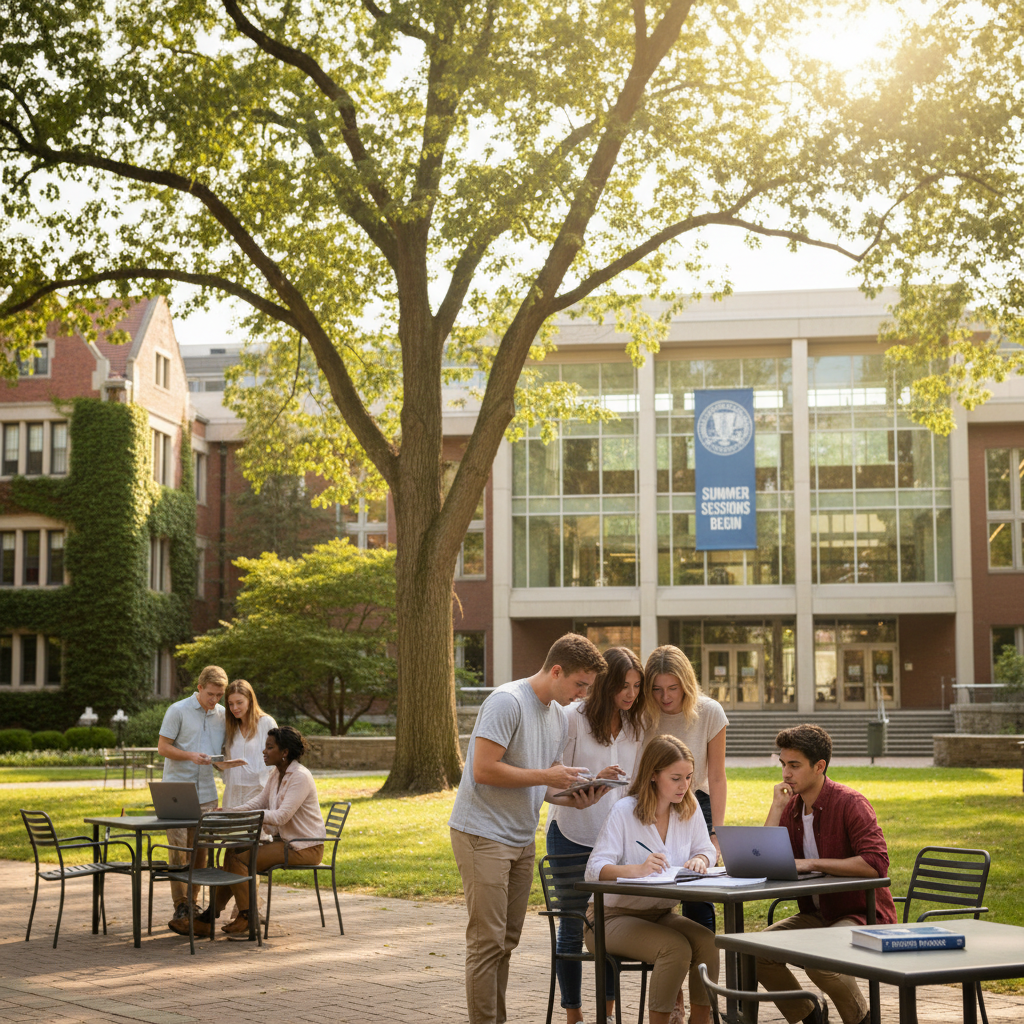
When it comes to financing your education, understanding the various loan options available for summer semester courses is key. Both federal and private loans can often be applied to summer classes, provided you meet specific eligibility criteria. Federal loans, such as Direct Subsidized and Unsubsidized Loans, are commonly used for summer terms. However, each institution may have its own policies regarding financial aid for summer semesters. Therefore, it is imperative to consult your school’s financial aid office to get detailed information on the eligibility requirements, application processes, and specific deadlines that could affect your financing options.
Federal Student Loans for Summer
Federal student loans, specifically Direct Subsidized and Unsubsidized Loans, can usually cover your summer coursework. These loans are advantageous because they often come with lower interest rates and more flexible repayment options compared to private loans. If you have previously filled out the Free Application for Federal Student Aid (FAFSA) for the academic year, you may still need to complete a separate FAFSA application for the summer term, as federal funding is typically allocated based on the academic year. This additional application allows the financial aid office to assess your remaining eligibility for funds. It’s essential to check your school’s guidelines, as some institutions may have specific forms or processes for summer loan applications.
Private Student Loans for Summer
In addition to federal options, private lenders also provide loans designed specifically for summer semesters. While these loans can fill the gaps not covered by federal aid, terms can vary significantly from one lender to another. Therefore, it is vital to compare interest rates, repayment terms, and borrower benefits before committing to a private loan. Some lenders might require a credit check, and the interest rates may be higher than federal loans, especially if you have limited credit history. Make sure to read the fine print and understand the terms of repayment, as well as any potential fees. Additionally, consider reaching out to multiple lenders to find the best deal that suits your financial situation.
Full-Time vs. Part-Time Enrollment
Your eligibility for student loans during the summer semester may depend on your enrollment status. Generally, many lenders require students to be enrolled at least half-time to qualify for loans. Full-time students typically have a more straightforward path to obtaining funding, as they meet the criteria for federal and private loans more easily. Conversely, part-time students may face additional hurdles, such as reduced loan amounts or more stringent eligibility criteria. It’s important to clarify your enrollment status with your institution and discuss how it impacts your loan options. If you plan to take fewer than the typical full-time course load, make sure to inquire about alternative funding sources, such as scholarships or grants that may be available for part-time students.
Financial Aid Applications and Deadlines
Navigating the financial aid landscape requires awareness of specific deadlines for summer aid applications. Each institution may set different dates for submitting financial aid requests, and missing these deadlines could jeopardize your ability to secure funding. Applying early is advantageous; it allows you to gather the necessary documents, submit your applications on time, and increase your chances of receiving the funds you need. Be proactive in checking with your financial aid office, as they can provide essential guidance on the timeline and any additional steps required to complete your application. It’s also beneficial to stay informed about any changes in federal or state financial aid policies that could impact your eligibility.
Budgeting for Summer Classes
A well-structured budget is essential when planning for summer classes, as it helps you understand the total cost of attendance, including tuition, fees, and living expenses. Before taking out loans, calculate how much money you will need to borrow by considering all associated costs. Use a budgeting tool or spreadsheet to itemize your expenses, taking into account tuition rates, course materials, and any additional costs such as housing, transportation, or meals. Once you have a clear picture of your financial needs, you can make informed decisions about how much to borrow and develop a plan for repayment. Consider how summer loans will fit into your overall financial strategy, especially if you are also relying on future income from part-time work or internships.
Tips for Maximizing Your Loan Options
To make the most of your financing opportunities, explore all available scholarships and grants that may be applicable to summer courses. Many organizations offer funding specifically for students attending summer sessions, so don’t overlook these potential resources. Additionally, stay informed about changes in federal loan policies or institutional financial aid programs that could impact your eligibility for funding. Keeping an eye on deadlines and being proactive in your search for financial aid can help you secure the best funding options available. Don’t hesitate to reach out to your school’s financial aid office for advice on maximizing your funding and to learn about any lesser-known resources that could be available to you.
Securing a student loan for the summer semester is possible with the right approach and understanding of the process. By exploring both federal and private loan options, staying aware of enrollment requirements, and applying on time, you can successfully finance your summer education. Remember to budget carefully, explore scholarships, and consult with financial aid professionals to maximize your opportunities. If you still have questions, reach out to your financial aid office or consult with a financial advisor to explore your options further. Taking these proactive steps will help ensure that you can achieve your educational goals without undue financial stress.
Frequently Asked Questions
Can I get a student loan for summer semester classes?
Yes, you can obtain student loans for summer semester classes, provided you meet certain eligibility requirements. Most federal student loans, like Direct Subsidized and Unsubsidized Loans, are available for summer sessions if you are enrolled at least half-time. Additionally, some private lenders offer loans specifically for summer courses, so it’s essential to research your options and consult your school’s financial aid office for guidance.
How do I apply for a student loan for the summer semester?
To apply for a student loan for the summer semester, start by filling out the Free Application for Federal Student Aid (FAFSA) if you haven’t already. After submitting the FAFSA, contact your school’s financial aid office to inquire about summer loan availability and the specific application process. They may require you to enroll in summer classes before approving any loans, and they can provide you with the necessary paperwork and deadlines.
Why would I need a student loan for summer semester courses?
You might need a student loan for summer semester courses to cover tuition, fees, and living expenses while you continue your education. Taking summer classes can accelerate your degree completion, allowing you to graduate sooner and potentially save on overall education costs. Additionally, summer courses may enable you to catch up on credits or lighten your course load during the regular academic year.
What types of student loans are available for summer semesters?
There are several types of student loans available for summer semesters, including federal student loans, private loans, and school-specific loans. Federal loans, such as Direct Subsidized and Unsubsidized Loans, usually offer lower interest rates and favorable repayment terms. Private loans may provide additional funding options but often come with higher interest rates, so it’s important to compare offers and review terms carefully.
Which factors should I consider before taking a student loan for summer semester courses?
Before taking a student loan for summer semester courses, consider factors such as your current financial situation, the total cost of attendance, and your ability to repay the loan after graduation. Additionally, evaluate the interest rates and terms of the loans you are considering, and think about how summer coursework fits into your academic and career goals. It’s crucial to ensure that borrowing for summer classes aligns with your long-term financial strategy.
References
- https://studentaid.gov/understand-aid/types/loans/summer-semester
- https://www.ed.gov/ifap/faq-answer-archive.html
- https://www.nasfaa.org/uploads/documents/Summer_Semester_Loans.pdf
- https://www.careeronestop.org/Toolkit/Training/find-student-loans.aspx
- https://www.collegedata.com/resources/student-loans/summer-loans
- https://www.fastweb.com/financial-aid/articles/summer-financial-aid-options
- Your Guide for College Financial Aid – Finaid