

Closing a business can lead to uncertainty, especially regarding financial obligations like the Economic Injury Disaster Loan (EIDL). The good news is that while EIDL loans are generally not forgivable if the business closes, specific circumstances may allow for partial forgiveness under certain conditions. This article will explore the nuances of EIDL loan forgiveness in the event of business closure, outlining key considerations and options available to borrowers.
Understanding EIDL Loans
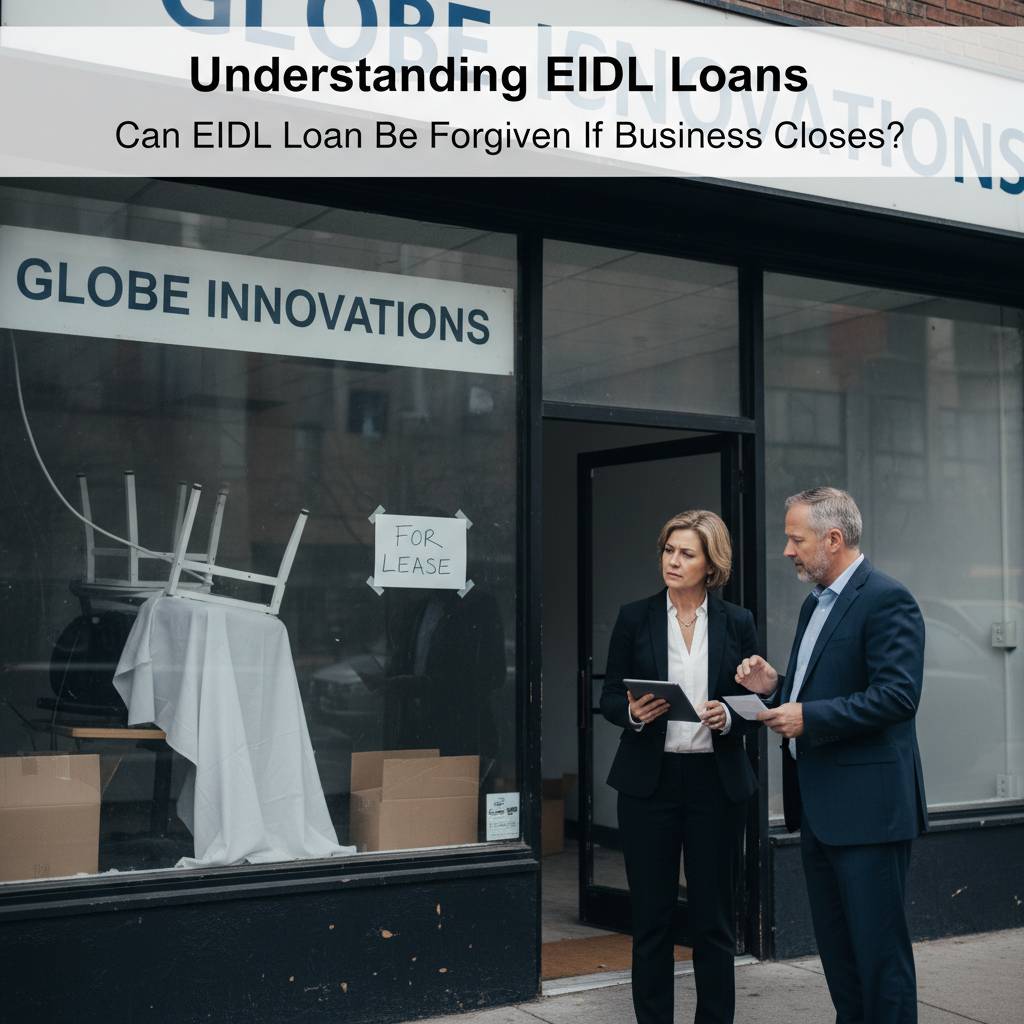
EIDL loans are loans offered by the Small Business Administration (SBA) designed to assist businesses recovering from economic injuries caused by disasters, such as natural calamities or the COVID-19 pandemic. These loans provide vital funding to help sustain operations during challenging times. The primary purpose of EIDL funds is to cover various operating expenses, including payroll, accounts payable, and other ongoing costs that a business might encounter during a downturn. It is essential to note that these loans typically must be repaid unless certain forgiveness criteria are met, which are generally more stringent compared to other SBA assistance programs, such as the Paycheck Protection Program (PPP).
Conditions for Loan Forgiveness
To qualify for EIDL loan forgiveness, borrowers must adhere to specific eligibility criteria. Notably, the funds must be utilized for approved business expenses, which include operating costs, rent, utilities, and payroll. However, the EIDL program does not inherently offer forgiveness based on the business’s operational status. While the loan is designed to help businesses sustain themselves during periods of economic distress, it does not automatically convert to a grant if a business closes.
Partial forgiveness may be a possibility in some unique cases—such as if the business can demonstrate that it used EIDL funds for allowable expenses leading up to the closure, or if the borrower can negotiate with the SBA under specific circumstances. Understanding these nuances is critical, as they can significantly impact the financial obligations of a business owner following closure.
Impact of Business Closure on EIDL Loans
When a business closes, the implications for EIDL loans can be substantial. First and foremost, business owners must understand their repayment responsibilities. EIDL loans are typically structured with a repayment period of up to 30 years, and interest rates are generally fixed at 3.75% for businesses. If a business ceases operations, the borrower remains responsible for repaying the loan, regardless of the business’s financial state.
Defaulting on an EIDL loan can have severe repercussions, including damage to personal credit scores and potential legal action by the SBA to recover the outstanding balance. It’s crucial for borrowers contemplating closure to proactively communicate with the SBA about their situation, as this can sometimes lead to more favorable outcomes or alternative arrangements.
Possible Alternatives to Forgiveness
If a business owner anticipates closing their business and is concerned about EIDL repayment, various alternatives may be available. One option is loan restructuring, which involves negotiating new terms with the SBA. This could include extending the repayment period or adjusting monthly payment amounts based on the business’s current ability to pay.
Additionally, other relief programs may provide support during this transitional phase. For example, the SBA continuously updates its offerings for struggling businesses, and local business support organizations often have resources available to assist with navigating closure. These may include financial counseling, workshops on business exit strategies, and potential grants for specific sectors.
Seeking Professional Guidance
Navigating the complexities of EIDL loans and the implications of business closure can be overwhelming. Therefore, seeking professional guidance is crucial. Consulting with a financial advisor or attorney experienced in small business law can provide clarity on the borrower’s obligations and options. These professionals can help assess the situation, explore potential for loan forgiveness or restructuring, and provide insights on managing the business’s closure effectively.
Furthermore, resources such as the SBA website and local business support organizations can offer valuable information and assistance tailored to specific situations. Engaging with these resources early can help mitigate risks associated with defaulting on the loan and ensure compliance with any applicable laws.
Keeping Records and Documentation
Maintaining accurate records and documentation is vital for business owners who have taken out EIDL loans. Keeping detailed accounts of how EIDL funds were utilized can directly impact the borrower’s forgiveness status and their overall financial standing. Documentation should include receipts, invoices, and records of payments made towards eligible expenses.
Being prepared for potential audits is another critical aspect of managing EIDL loans. The SBA may conduct audits to ensure compliance with loan terms, and having organized records can facilitate a smoother process. Business owners should familiarize themselves with potential audit triggers and prepare accordingly, ensuring they have the necessary documentation readily available.
The closure of a business raises significant questions regarding financial obligations, including EIDL loans. While these loans are not typically forgivable upon closing, understanding your options and seeking professional advice can help navigate this challenging situation. If you’re facing business closure and have taken out an EIDL loan, consider exploring your options and connecting with experts who can offer tailored guidance. By being proactive and informed, you can better manage your financial obligations and prepare for the next steps in your professional journey.
Frequently Asked Questions
Can an EIDL loan be forgiven if my business closes?
No, an Economic Injury Disaster Loan (EIDL) is not forgivable, even if your business closes. Unlike the Paycheck Protection Program (PPP), which offers forgiveness for loans used for specific purposes, the EIDL is a loan that must be repaid. If your business ceases operations, you will still be responsible for the loan repayment, which includes both principal and interest.
What happens to my EIDL loan if I declare bankruptcy?
If you declare bankruptcy, your EIDL loan does not automatically get discharged, as federal loans typically remain in effect during bankruptcy proceedings. However, the impact of bankruptcy on your ability to repay the loan will be evaluated, and you may have options to negotiate repayment terms with the Small Business Administration (SBA). Consulting a bankruptcy attorney can help clarify your specific situation and obligations.
How can I manage my EIDL loan payments if my business is struggling?
If your business is struggling financially, it’s crucial to reach out to the SBA to discuss your situation. They may offer options such as deferment or restructuring of your loan payments, which can provide temporary relief. Additionally, reviewing your budget and exploring cost-cutting measures can help improve your cash flow to meet your loan obligations.
Why is it important to understand EIDL loan terms before applying?
Understanding the terms of an EIDL loan is essential to ensure you can effectively manage repayment and avoid potential financial pitfalls. Key terms include the interest rate, repayment schedule, and use of funds. By being informed, you can make strategic decisions about how to utilize the loan for your business while safeguarding your financial future.
What are the best resources for EIDL loan assistance if my business is closing?
For assistance with an EIDL loan, especially if your business is closing, resources such as the SBA website, local Small Business Development Centers (SBDCs), and business advisors can be incredibly helpful. These organizations provide guidance on repayment options, financial planning, and may assist in navigating the complexities of loan management during business transitions.
References
- https://www.sba.gov/funding-programs/loans/coronavirus-relief-options/eidl
- https://www.irs.gov/coronavirus/eidl-loan-forgiveness
- https://www.nolo.com/legal-encyclopedia/eidl-loan-forgiveness-what-you-need-know-51177.html
- https://www.forbes.com/advisor/business/eidl-loan-forgiveness/
- https://www.sba.gov/blog/eidl-loan-forgiveness-what-you-need-know
- https://www.brookings.edu/research/an-analysis-of-the-economic-impact-of-the-coronavirus-covid-19-pandemic/