

Purchasing foreclosed homes with an FHA loan is indeed possible and can be a smart financial move for many buyers. FHA loans are designed to help individuals secure financing even if they have lower credit scores or limited funds for a down payment. This accessibility makes them an attractive option for those looking to invest in foreclosures. In this article, you’ll learn how FHA loans work for foreclosed properties and what you need to know to navigate the process effectively.
Understanding FHA Loans
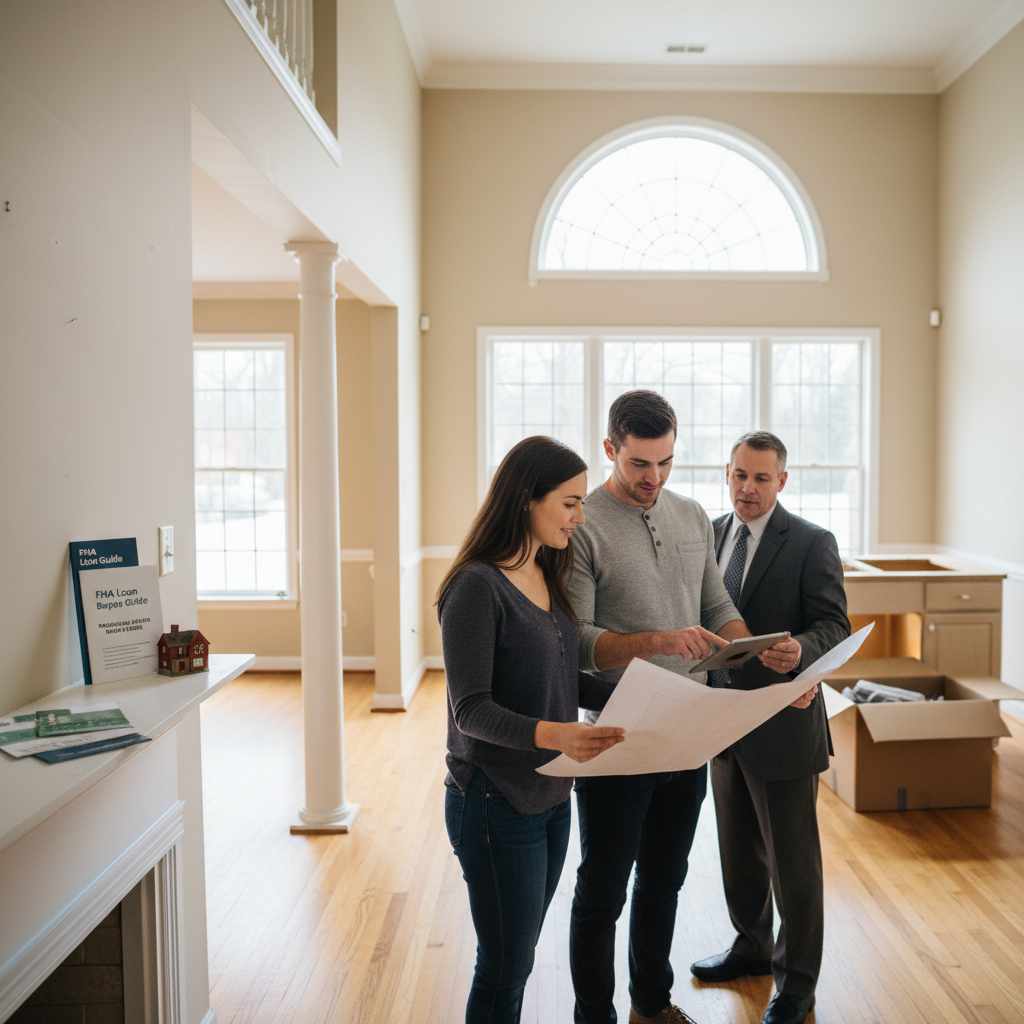
FHA loans, or Federal Housing Administration loans, are government-backed mortgages that cater to a wide range of buyers, especially those who may struggle to qualify for conventional financing. One of the standout features of FHA loans is their lower down payment requirements, which typically hover around 3.5%. This is significantly lower than the 20% often required by traditional lenders, making homeownership more attainable for individuals with minimal savings.
Moreover, FHA loans are accessible to various buyers, including first-time homebuyers and those with less-than-perfect credit scores. Borrowers can qualify with a credit score as low as 580, and in some cases, even lower. This flexibility has made FHA loans a popular choice among those looking to purchase foreclosed homes, where the unique challenges of the real estate market can often deter potential buyers.
Foreclosures Defined
A foreclosure occurs when a lender takes possession of a property due to the owner’s failure to make mortgage payments. The process typically begins after several months of missed payments, leading the lender to initiate legal proceedings to reclaim the property. Once foreclosed, these homes are often sold at auction or listed on the market, frequently at prices lower than traditional property sales.
Buying a foreclosed home can often result in significant savings compared to traditional property purchases. Foreclosures may be priced below market value, providing buyers with the opportunity to invest in a property that they can renovate or resell for a profit. However, potential buyers must be cautious, as foreclosed properties may come with their own set of challenges, including necessary repairs and potential liens.
Eligibility for FHA Loans on Foreclosures
To qualify for an FHA loan on a foreclosed property, buyers must meet specific credit and income requirements established by the FHA. Generally, borrowers should demonstrate a steady income and a manageable debt-to-income ratio, which should ideally not exceed 43%. Additionally, the borrower’s credit score plays a pivotal role; while a score of 580 can secure the minimum down payment, a higher score may provide better terms.
The property itself must meet FHA appraisal standards, which ensure that it is safe, sound, and livable. This means that foreclosures purchased with FHA loans must pass an inspection that assesses the condition of the home, including its roofing, plumbing, electrical systems, and overall safety. If the property fails to meet these standards, buyers may need to make repairs before they can secure financing.
The Buying Process for Foreclosed Homes
The buying process for foreclosed homes can differ from traditional home purchases, making it essential for buyers to be well-prepared. Start by obtaining a pre-approval for an FHA loan, as this will give you a clear understanding of your budget and strengthen your position when making an offer. A pre-approval demonstrates to sellers that you are a serious buyer, which can be particularly advantageous in competitive foreclosure markets.
Once pre-approved, it is wise to work with a real estate agent who is experienced in the foreclosure market. An agent can help you identify suitable listings and navigate the often complex bidding processes associated with purchasing foreclosures. These properties may be sold through auctions or through listings on multiple listing services (MLS), and having a knowledgeable agent can provide invaluable insights and strategies.
Potential Challenges
While purchasing a foreclosed home can be financially advantageous, it is not without its challenges. Many foreclosed homes are sold “as-is,” meaning that the seller is not responsible for making any repairs. Buyers should be prepared to invest in renovations post-purchase, which can range from minor cosmetic updates to major structural repairs. It is crucial to factor these potential costs into your overall budget.
Additionally, competition for foreclosed properties can be fierce. Investors are often drawn to these homes due to their lower price points, which can drive up bidding prices and create urgency in the buying process. As a buyer, being prepared to act quickly is essential. Conducting thorough research and being decisive can make a significant difference in securing a desirable property.
Additional Considerations
When budgeting for a foreclosed property, buyers should factor in closing costs and potential renovation expenses. Closing costs can range from 2% to 5% of the purchase price and include fees for appraisals, inspections, and title insurance. It is advisable to set aside additional funds for unexpected repairs that may arise after purchase.
Thorough inspections and research into the property’s history are also critical before making an offer. This may include reviewing tax records, understanding any outstanding liens, and checking for any potential issues that could arise post-purchase. By being diligent in your research and preparation, you can mitigate potential risks associated with buying a foreclosed home.
Financing Options Beyond FHA
While FHA loans are a popular choice for purchasing foreclosed homes, buyers should also explore other financing options tailored to their specific needs. Conventional loans may be suitable for those with higher credit scores and larger down payments, while USDA loans can assist rural homebuyers in qualifying for favorable terms. Understanding the pros and cons of each loan type will empower buyers to make informed decisions and choose the financing option that best aligns with their financial situation.
For instance, conventional loans often come with fewer restrictions regarding property condition, which might be beneficial for buyers interested in foreclosures that require extensive repairs. On the other hand, USDA loans offer zero down payment options for eligible rural properties, making them an attractive alternative for qualified buyers.
Purchasing a foreclosed home with an FHA loan is not only possible but can also be a strategic move for budget-conscious buyers. By understanding the eligibility criteria, the buying process, and potential pitfalls, you can navigate your home-buying journey with confidence. If you’re considering this route, start by getting pre-approved for an FHA loan and connect with a knowledgeable real estate agent to assist you in finding your dream home. Being well-informed and prepared will enhance your chances of successfully purchasing a foreclosed property, ultimately leading to a rewarding investment.
Frequently Asked Questions
Can you buy foreclosed homes with an FHA loan?
Yes, you can buy foreclosed homes with an FHA loan. The Federal Housing Administration (FHA) insures loans made by approved lenders to borrowers with low to moderate incomes. However, the property must meet certain requirements, including being your primary residence and passing an appraisal inspection to ensure it meets safety and livability standards.
What are the eligibility requirements for using an FHA loan to purchase a foreclosed home?
To use an FHA loan for a foreclosed home purchase, you must meet specific eligibility criteria. This includes having a credit score of at least 580 for a 3.5% down payment, providing proof of steady employment and income, and demonstrating a debt-to-income ratio of no more than 43%. Additionally, the foreclosed property must be habitable and comply with FHA property standards.
How do you find foreclosed homes eligible for FHA loans?
To find foreclosed homes eligible for FHA loans, start by searching online real estate platforms that specialize in foreclosures. You can also check with local banks, real estate agents, and government websites that list HUD-owned properties. Ensure that the listings specify that FHA financing is accepted, as not all foreclosures may qualify for these loans.
Why should you consider buying a foreclosed home with an FHA loan?
Buying a foreclosed home with an FHA loan can be advantageous for several reasons. FHA loans typically require lower down payments and have more flexible credit requirements than conventional loans, making homeownership more accessible. Additionally, foreclosed properties are often sold at a lower price than market value, potentially allowing you to purchase a home in a desirable location at a bargain price.
What are the potential risks of buying a foreclosed home with an FHA loan?
While buying a foreclosed home with an FHA loan can be financially beneficial, there are risks to consider. Many foreclosed properties may require extensive repairs or renovations that can exceed your budget, and they may come with a history of neglect. Additionally, the buying process can be complex, involving multiple parties and potential delays, so it’s crucial to conduct thorough inspections and due diligence before making a purchase.
References
- https://www.hud.gov/program_offices/housing/sfh/ins/203k-1
- https://www.hud.gov/program_offices/housing/sfh/ins/203k-2
- https://www.fhfa.gov/PolicyProgramsResearch/Research/Pages/Foreclosure-Prevention.aspx
- https://www.investopedia.com/articles/mortgages/072915/what-you-need-know-about-fha-loans.asp
- FHA Loan Requirements for 2026 – NerdWallet
- Will I receive the Know Before You Owe disclosures when I shop for a mortgage? | Consumer Financi…
- https://www.thebalance.com/understanding-fha-loans-4161347
- https://www.fha.com/fha_loan_requirements