

Boat insurance is not legally required in Texas; however, it’s highly recommended for boat owners. While the state does not mandate insurance, having a policy can protect you financially in case of accidents, damage, or theft. In a state where boating is a popular pastime, understanding the nuances of boat insurance is crucial for safeguarding your investment and ensuring a worry-free experience on the water. In this article, we will explore the reasons why boat insurance is important, the types of coverage available, and considerations for Texas boaters.
Understanding Texas Boat Insurance Requirements
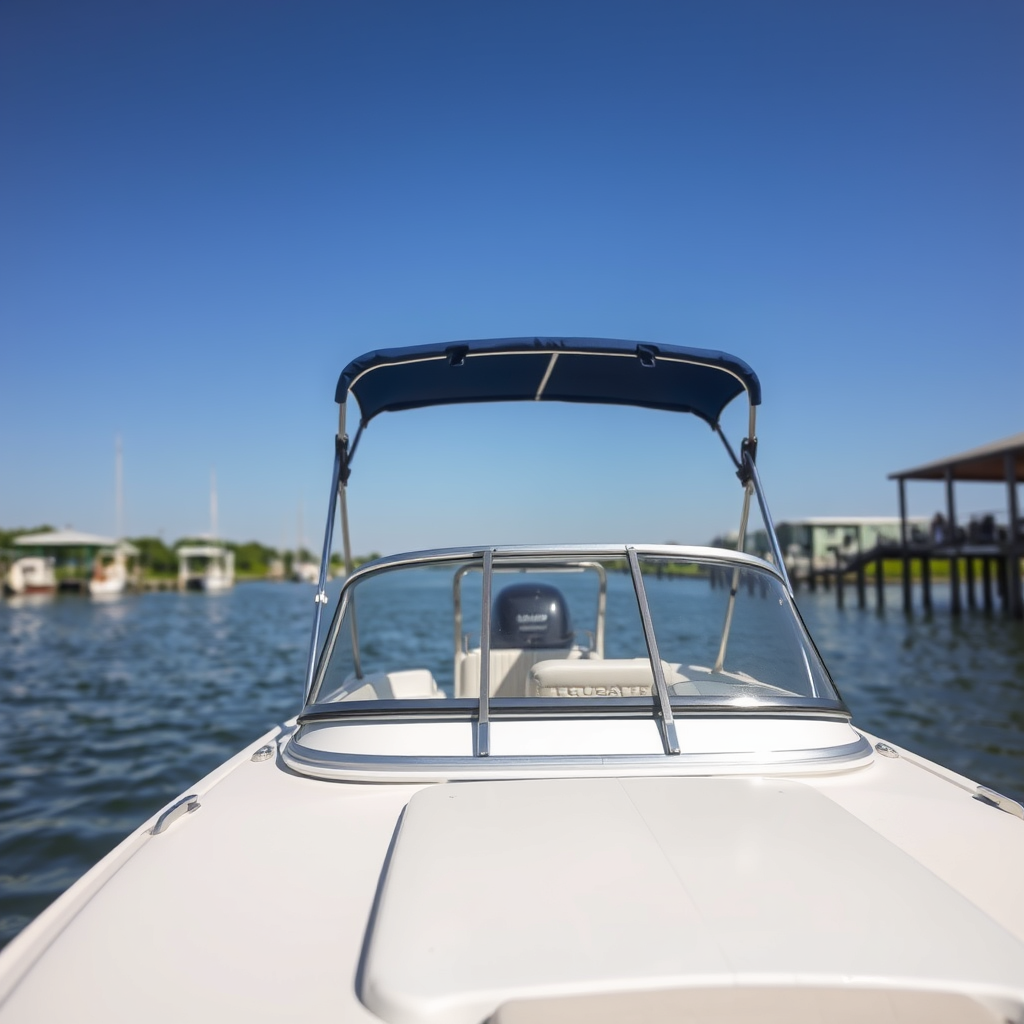
Texas does not require boaters to carry insurance as a legal requirement, making it one of the states where boat insurance is optional. This means that, unlike automobile insurance, which is mandatory for drivers, boat owners can choose whether or not to insure their vessels. However, while this lack of a legal requirement may seem appealing, it leaves boat owners vulnerable to financial losses in the event of accidents or damages.
It’s important to note that if you finance your boat through a lender, they may require you to have insurance coverage as part of the loan agreement. This typically includes comprehensive and collision coverage to protect their investment. Additionally, some marinas and boat storage facilities might also require proof of insurance before allowing you to dock or store your vessel. Therefore, understanding the implications of financing and storage can indirectly influence your decision to acquire boat insurance.
Importance of Boat Insurance
The importance of boat insurance cannot be overstated, especially for those who frequently engage in water activities. Having a boat insurance policy provides essential financial protection against various risks associated with boating. Without insurance, boat owners could face significant out-of-pocket expenses in the event of an accident or damage.
One of the primary benefits of boat insurance is its ability to cover bodily injury and property damage caused to others. If you are involved in a collision that injures another boater or damages someone else’s property, you could be held liable for those costs. Liability coverage in a boat insurance policy can help pay for medical expenses, legal fees, and damages, ensuring that you are not left financially devastated.
Furthermore, boat insurance can also cover damages to your own vessel. Whether due to an accident, vandalism, or extreme weather conditions, repairs to a boat can be costly. Having an insurance policy can mitigate these costs, allowing you to enjoy your time on the water without the constant worry of potential financial burdens.
Types of Boat Insurance Coverage
Boat insurance policies typically come with various types of coverage designed to protect you from different risks. Understanding these types can help you choose the right policy for your needs.
Liability Coverage: This is often the most critical component of boat insurance. It covers damages you may cause to others while operating your boat, including bodily injury and property damage. For example, if you accidentally collide with another vessel, this coverage would help pay for the damages and any medical expenses incurred by the other party.
Comprehensive Coverage: This type of coverage protects against non-collision incidents, such as theft, vandalism, or damage caused by natural disasters like storms or floods. For instance, if your boat is stolen while parked at a marina, comprehensive coverage can reimburse you for the loss. This protection is especially vital in Texas, where severe weather can lead to significant damage.
Collision Coverage: Similar to auto insurance, collision coverage pays for the repair or replacement of your boat if it is damaged in a collision, regardless of who is at fault. This type of coverage is particularly useful for those who frequently navigate busy waterways or participate in water sports.
Factors Influencing Boat Insurance Costs
Several factors can influence the cost of boat insurance premiums. Understanding these factors can help you anticipate costs and manage your budget effectively.
Type of Boat and Its Value: The make, model, and age of your boat play a significant role in determining your insurance premium. More expensive and larger vessels typically come with higher premiums due to the increased risk and repair costs. For example, a luxury yacht will generally incur higher insurance costs compared to a small fishing boat.
Experience of the Driver: Insurance providers often consider the experience level of the boat operator. More experienced boaters may qualify for lower premiums due to their reduced risk of accidents. Conversely, inexperienced boaters may face higher rates as they are statistically more likely to be involved in incidents.
Location of Use: The area where you primarily use your boat can also affect your insurance costs. Boating in high-traffic areas or regions prone to accidents may lead to higher premiums. Additionally, areas that experience severe weather conditions, such as hurricanes, may also result in increased insurance costs.
Optional Coverage and Add-Ons
Beyond the standard coverage options, boat insurance policies often offer additional protection through optional coverage and add-ons. These can provide tailored solutions to meet specific needs.
Uninsured/Underinsured Boater Coverage: This type of coverage protects you in the event of an accident with a boater who does not have adequate insurance. If you sustain injuries or damages caused by an underinsured boater, this coverage ensures that you are still compensated for your losses.
Personal Property Coverage: This coverage extends to personal belongings on your boat, such as fishing gear, electronics, and other valuables. If these items are lost, stolen, or damaged, personal property coverage can help replace them, giving you peace of mind while enjoying your time on the water.
How to Choose the Right Boat Insurance
Selecting the right boat insurance policy involves careful consideration of your specific needs and circumstances. Here are some actionable insights to guide your decision-making process:
1. Assess Your Needs: Consider how often and where you typically boat. If you frequently take your boat out on busy lakes or rivers, higher liability coverage may be necessary. Conversely, if you primarily use your boat for leisurely trips in calm waters, you may opt for a more basic policy.
2. Compare Quotes: It’s essential to shop around and compare quotes from different insurance providers. Each company may offer varying coverage options, limits, and premiums. By gathering multiple quotes, you can identify the best deal that meets your needs without compromising on coverage.
3. Seek Professional Advice: Consulting with an insurance agent who specializes in marine insurance can provide valuable insights. They can help you navigate the complexities of coverage options and ensure that you select a policy that aligns with your unique requirements.
4. Review Policy Details: Before making a purchase, carefully read the policy details, including exclusions and limitations. Understanding what is and isn’t covered will help you avoid surprises in the event of a claim.
Owning a boat in Texas doesn’t legally require insurance, but it certainly comes with risks that can be mitigated through proper coverage. Understanding the importance of boat insurance, the types of coverage available, and how to choose the right plan can help you make informed decisions for your boating experience. Be proactive and consider getting a policy to protect both your investment and your peace of mind. By investing in the right boat insurance, you can enjoy the open waters of Texas with confidence, knowing you are protected against the unexpected.
Frequently Asked Questions
Does Texas require boat insurance by law?
No, Texas does not legally mandate boat insurance for all vessels. However, if you have a loan on your boat or if it is documented with the U.S. Coast Guard, your lender or the Coast Guard may require you to carry insurance. While insurance is not a legal requirement, it is highly recommended to protect against potential liabilities and damages.
What types of boat insurance are available in Texas?
In Texas, there are several types of boat insurance policies available, including liability coverage, which protects against injury and property damage to others; comprehensive coverage, which covers non-collision incidents like theft and vandalism; and collision coverage, which pays for damages to your own boat after an accident. Additionally, specialized policies for personal watercraft or fishing boats may also be available, allowing owners to customize their coverage.
How much does boat insurance cost in Texas?
The cost of boat insurance in Texas varies widely based on several factors, such as the type and size of the boat, its age, your location, and your driving record. On average, boat insurance can range from $200 to $500 annually for basic coverage, but it can go higher for larger vessels or those with additional coverage options. It’s best to shop around and obtain quotes from multiple insurers to find the best policy for your needs.
Why should I consider getting boat insurance in Texas?
While Texas does not require boat insurance, obtaining a policy can provide significant financial protection against accidents, theft, and liability claims. Boating can pose inherent risks, including collisions and environmental damage, which can result in costly lawsuits or repairs. Having insurance can also give you peace of mind, allowing you to enjoy your time on the water without worrying about potential financial burdens.
Which insurance companies offer the best boat insurance in Texas?
Some of the top insurance companies offering boat insurance in Texas include Progressive, State Farm, Allstate, and Geico. Each of these providers has different coverage options, customer service ratings, and premium costs, so it’s advisable to compare policies and read customer reviews to find the best fit for your boating needs. Additionally, consider speaking with an insurance agent who specializes in marine insurance for tailored advice.
References
- https://www.tpwd.texas.gov/fishboat/boat/insurance
- https://www.boat-ed.com/texas/faq/boat-insurance/
- https://www.nolo.com/legal-encyclopedia/boat-insurance-texas-32283.html
- https://www.insurance.wa.gov/boat-insurance-what-you-need-know
- 404 – Page not found | III
- Home – NASBLA
- https://www.texas.gov/en/discover/boating.html