

When leasing a Honda, gap insurance is typically not included in the lease agreement. However, many dealerships and insurance providers offer it as an optional add-on. Understanding the nuances of gap insurance is crucial for anyone leasing a vehicle, especially given the rapid depreciation associated with new cars. In this article, we’ll delve into what gap insurance entails, its relevance to Honda leases, and the various avenues available for securing this essential coverage.
What is Gap Insurance?
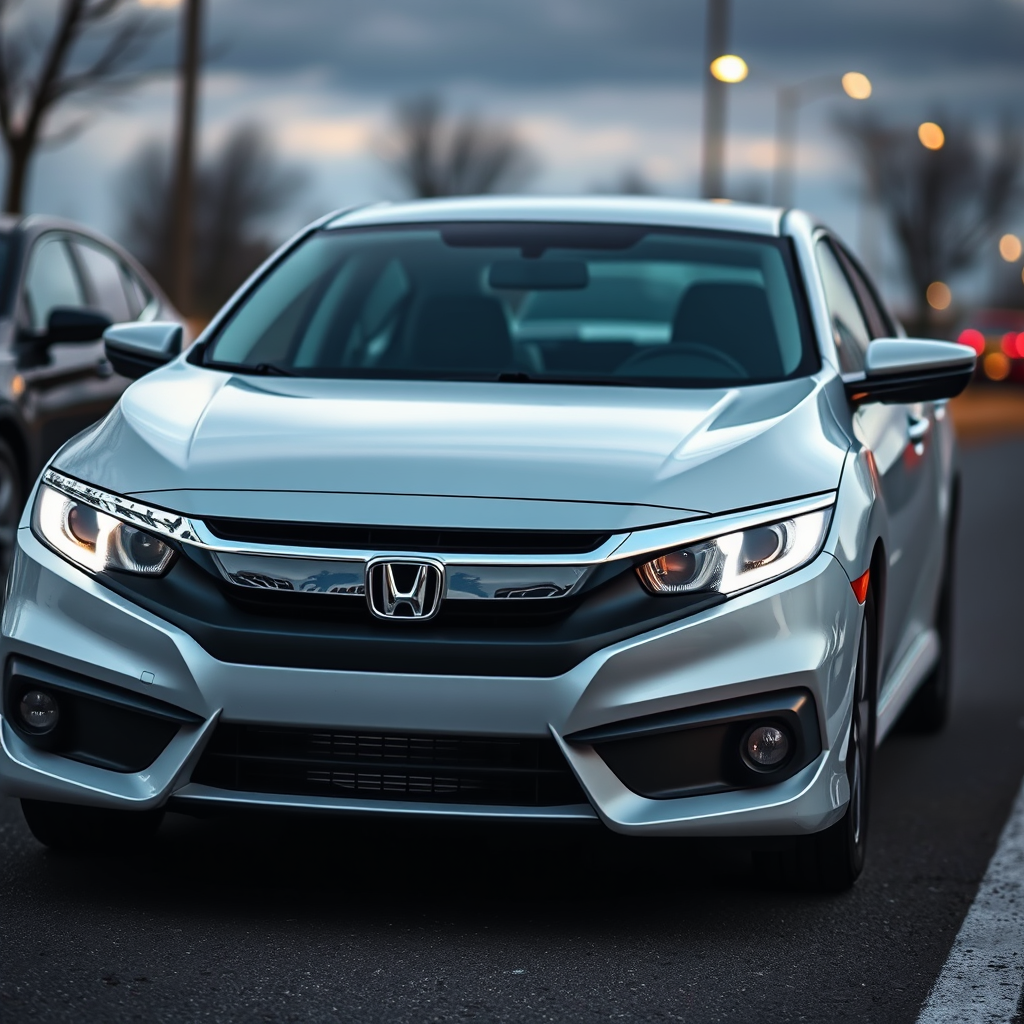
Gap insurance is designed to cover the difference, or “gap,” between the amount you owe on your vehicle lease and its actual cash value (ACV) in the event of a total loss due to theft or an accident. For example, if your leased Honda is valued at $20,000 at the time of an accident but you still owe $25,000 on your lease, gap insurance would cover that $5,000 difference. This type of insurance is particularly important for leased vehicles, as they tend to depreciate more quickly than purchased vehicles. While comprehensive and collision insurance policies may cover the cost of repairs, they do not account for depreciation, leaving you potentially liable for a significant amount should your vehicle be totaled.
Do Honda Leases Automatically Include Gap Insurance?
Most Honda leasing contracts do not automatically include gap insurance. It is essential for lessees to read their lease agreements thoroughly to understand what coverage is provided. Some lease agreements may offer gap coverage as an option, but it is not a standard inclusion. Because of this, you may find yourself responsible for any remaining balance on your lease if your vehicle is declared a total loss. Therefore, being proactive in understanding your lease terms is vital to avoid unexpected financial burdens.
How to Obtain Gap Insurance for Your Honda Lease
Obtaining gap insurance for your Honda lease can be straightforward. Start by checking with your Honda dealership; many offer gap insurance as an add-on to the lease agreement. This can often be rolled into your monthly payment, making it a convenient option. Alternatively, you can purchase a separate gap insurance policy from your auto insurance provider. Many insurance companies offer this as an affordable addition to your existing coverage. When exploring these options, compare prices and terms to ensure that you are getting the best deal for the coverage you need.
The Benefits of Having Gap Insurance
The primary benefit of gap insurance is financial protection in the event of a total loss. If your leased vehicle is stolen or totaled, gap insurance prevents you from being responsible for paying the remaining lease balance out of pocket. This coverage can be particularly beneficial for those who drive a new vehicle, as new cars typically depreciate the fastest in their first few years. In addition to financial protection, having gap insurance provides peace of mind, allowing you to enjoy your Honda without the constant worry of unexpected costs should an accident occur.
Considerations When Choosing Gap Insurance
When deciding whether to purchase gap insurance, consider the cost of the coverage in relation to the potential financial risk of not having it. Evaluate the terms and conditions of any gap insurance policy you are considering; some policies may have exclusions or specific conditions that could affect your coverage. Additionally, assess how long you plan to keep the vehicle. If you intend to lease for a short duration, the risk of a significant gap may be lower, making gap insurance less critical. However, if you are leasing a vehicle for several years, it may be wise to invest in this coverage to safeguard your financial interests.
Common Myths About Gap Insurance
One prevailing myth is that gap insurance is unnecessary if you have comprehensive and collision coverage. While these policies cover damages to your vehicle, they do not account for the lease payoff amount, which can leave you at risk of significant financial loss. Another common misconception is that gap insurance is prohibitively expensive. In reality, it can be quite affordable, especially when compared to the potential costs associated with a total loss. Understanding these myths is crucial for making informed decisions regarding your lease and insurance options.
In summary, while Honda leases do not automatically include gap insurance, it is an essential consideration for anyone leasing a vehicle. By understanding what gap insurance is, how to obtain it, and the benefits it offers, you can protect yourself from unexpected financial burdens in the event of a total loss. Evaluate your options, consult with your dealership or insurance provider, and consider the potential risks to determine if gap insurance is right for you. Taking these steps will help you safeguard your investment and enjoy your Honda lease with peace of mind.
Frequently Asked Questions
Does Honda lease include gap insurance?
Generally, Honda leases do not automatically include gap insurance. Gap insurance is an optional coverage that protects you if your leased vehicle is totaled or stolen, covering the difference between what you owe on the lease and the car’s actual cash value. It’s advisable to check with your Honda dealership or leasing company to see if they offer it as part of the lease agreement or if you need to purchase it separately.
How can I add gap insurance to my Honda lease?
You can typically add gap insurance to your Honda lease by inquiring with your dealership at the time of signing the lease. Many dealerships offer gap insurance as an add-on to your lease agreement. Alternatively, you can purchase gap insurance through your auto insurance provider or third-party insurance companies that specialize in this type of coverage.
Why is gap insurance important for a Honda lease?
Gap insurance is crucial for a Honda lease because it provides financial protection in the event of a total loss. Leased vehicles depreciate quickly, and if your car is totaled in an accident or stolen, traditional insurance may only cover the current market value, which could be significantly less than what you owe on the lease. Gap insurance covers this difference, preventing you from facing unexpected out-of-pocket expenses.
What is the best way to determine if I need gap insurance for my Honda lease?
The best way to determine if you need gap insurance for your Honda lease is to evaluate factors such as the lease terms, the vehicle’s depreciation rate, and your current financial situation. If your lease has a low residual value or if you’re making a small down payment, you may be at a higher risk of owing more than the vehicle’s worth. Additionally, if you can’t afford to pay the difference in case of a total loss, gap insurance may be a wise investment.
Which Honda models are more likely to require gap insurance during leasing?
While any leased Honda model can benefit from gap insurance, vehicles with higher depreciation rates, like compact cars or those with a lower residual value, are more likely to require it. Popular models such as the Honda Civic or Honda Accord might see significant depreciation, making gap insurance a valuable consideration for lessees. Always consult your leasing agent to assess the specific vehicle’s depreciation potential and your insurance needs.
References
- https://www.consumerfinance.gov/ask-cfpb/what-is-gap-insurance-en-2043/
- https://www.edmunds.com/car-leasing/what-is-gap-insurance.html
- https://www.nolo.com/legal-encyclopedia/gap-insurance-what-is-it-29761.html
- https://www.thebalance.com/what-is-gap-insurance-4171527
- https://www.nerdwallet.com/article/loans/gap-insurance-what-it-is-how-it-works
- https://www.policygenius.com/auto-insurance/gap-insurance/



