

Boat insurance is not legally required in Texas, but it is highly recommended for boat owners. While Texas law does not mandate insurance coverage, the financial risks associated with boating accidents, damages, and liabilities can be substantial. This article will explore the reasons why having insurance can protect you financially, the types of coverage available, and other important considerations for responsible boat ownership.
Understanding Texas Boat Insurance Requirements
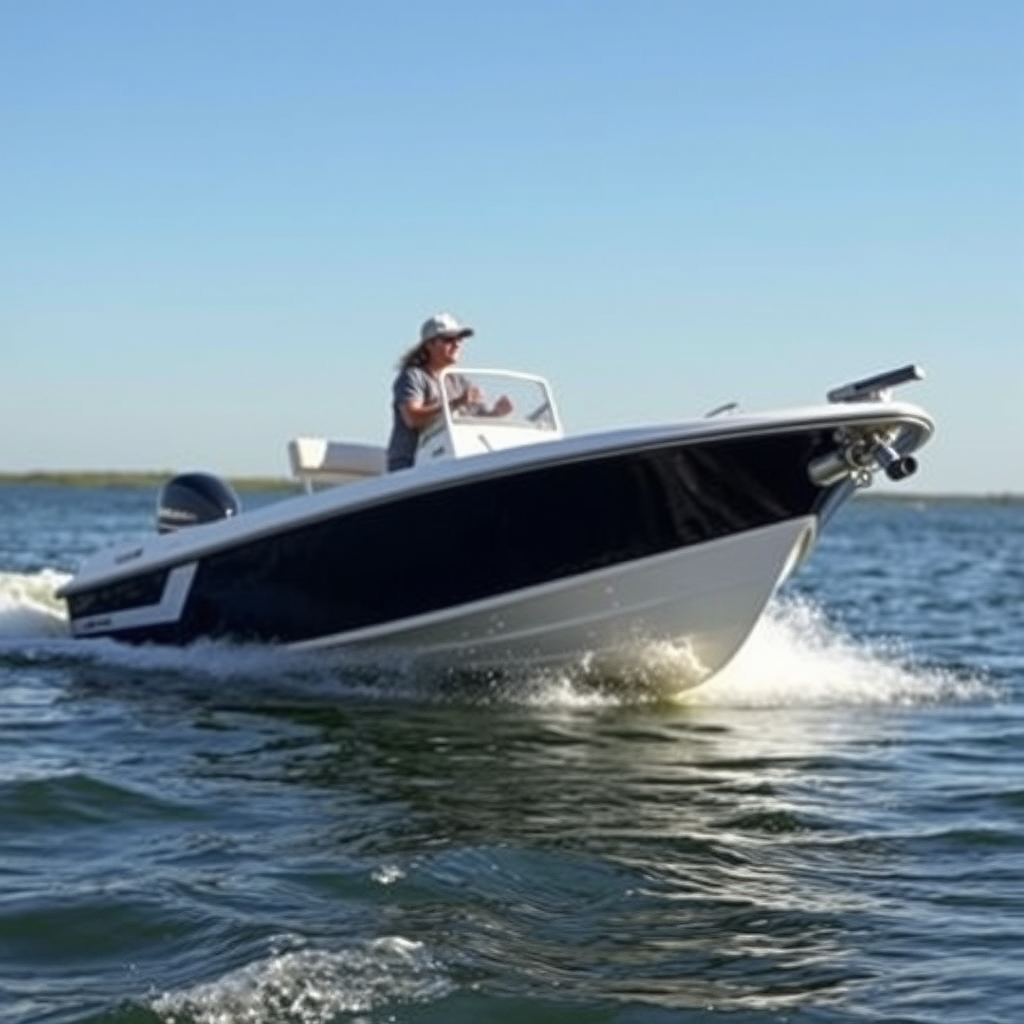
In Texas, there is no law that requires boat owners to carry insurance on their vessels. However, certain regulations may apply based on the type of watercraft one owns. For instance, if you own a motorboat or a yacht, you should be aware that while insurance is not legally required, it may be a stipulation set by lenders if you are financing your vessel. Lenders often require insurance to protect their investment, which means that if you plan to purchase a boat through financing, seeking insurance coverage becomes essential. Additionally, some marinas or boat clubs may have their own insurance requirements, further emphasizing the importance of securing a policy.
Types of Boat Insurance Coverage
When considering boat insurance, it’s crucial to understand the various types of coverage available. The most common form of coverage is liability insurance, which protects you against claims for bodily injury or property damage to other people. For example, if you accidentally collide with another boat causing injury to others or damage to their vessel, liability coverage can help cover legal fees and damages.
In addition to liability coverage, there are comprehensive and collision coverage options. Comprehensive coverage protects your boat from damages due to non-collision incidents, such as theft, vandalism, or natural disasters. Collision coverage, on the other hand, covers damages to your boat resulting from accidents, regardless of fault. Together, these coverage types can help ensure that your investment is safeguarded against a variety of risks.
Benefits of Having Boat Insurance
Investing in boat insurance provides numerous benefits that extend beyond mere compliance with legal requirements. One of the primary advantages is financial protection against potentially costly repairs or legal fees resulting from accidents. For instance, if your boat sustains significant damage in a storm, comprehensive coverage can save you thousands of dollars in repairs. Similarly, liability coverage can protect you from financial ruin in case of an accident that results in injury to others.
Moreover, having boat insurance grants peace of mind, knowing you are covered for various risks associated with boating. This assurance allows you to enjoy your time on the water without the constant worry of unforeseen incidents. In Texas, where boating is a popular recreational activity, securing insurance can enhance your overall boating experience.
Factors Affecting Boat Insurance Rates
Several factors can influence the rates you will pay for boat insurance in Texas. The type of boat you own is a significant consideration; larger and more expensive vessels typically incur higher premiums due to the increased risk and replacement costs. Additionally, the age of your boat can also affect rates, as older models may be more susceptible to damage.
Your boating history plays a crucial role in determining your insurance costs. Insurance providers often look at your past claims and any boating violations to assess your risk level. A clean boating record can lead to lower premiums, while a history of accidents may result in higher rates.
Furthermore, the location where you store your boat and how you use it can impact your insurance rates. For example, boats stored in high-risk areas prone to theft or severe weather may attract higher premiums. Conversely, boats stored in secure facilities may benefit from lower rates. Additionally, frequent use of your boat for commercial activities may result in higher insurance costs compared to recreational use.
Tips for Choosing the Right Boat Insurance
Choosing the right boat insurance policy requires careful consideration and research. One of the best practices is to compare quotes from multiple insurance providers. Each company may offer different rates and coverage options, so shopping around can help you find the best policy that meets your needs and budget.
Another effective strategy is to consider bundling your boat insurance with other insurance policies, such as home or auto insurance. Many insurance companies offer discounts for bundling, which can lead to significant savings. Additionally, be sure to read the policy fine print to understand the coverage limits and exclusions, ensuring that you select a plan that adequately protects your investment.
It is also advisable to consult with an insurance agent who specializes in marine insurance. They can provide valuable insights into the specific needs of boat owners in Texas and help you navigate the complexities of finding the right coverage.
Common Misconceptions About Boat Insurance
There are several misconceptions about boat insurance that can lead to inadequate coverage. One common belief is that if you don’t use your boat often, insurance isn’t necessary. This line of thinking can be dangerous, as unforeseen events can occur even during limited use. For example, a storm could damage your boat while it is docked, or theft could happen unexpectedly, making insurance a prudent choice regardless of usage frequency.
Another misconception is that homeowner’s insurance covers watercraft. While some policies may offer limited coverage for small boats or personal watercraft, they often do not cover larger vessels or specific boating incidents. Therefore, it is essential to review your homeowner’s policy carefully and consult with your insurance agent to ensure you have adequate coverage for your boat.
What to Do After an Accident
In the unfortunate event of a boating accident, knowing the appropriate steps to take can significantly affect the outcome of any claims made. The first step is to report the incident to your insurance provider promptly. They will guide you through the claims process and inform you of the necessary documentation required.
Additionally, it’s crucial to document the scene of the accident thoroughly. Take photographs of the damage, gather contact information from all parties involved, and note any witness accounts. This information will be invaluable in supporting your claim and ensuring a smoother resolution.
Following these steps not only protects your interests but also helps you navigate the often-complex insurance claims process more effectively.
Having boat insurance is not required in Texas, but it is a wise choice for protecting yourself and your investment. The financial protection offered by insurance policies can safeguard against unexpected events and liabilities associated with boating. As a responsible boat owner, weigh your options carefully and consider speaking with an insurance agent to find the best policy for your boating needs. The peace of mind that comes from being adequately insured is an investment in not just your boat, but your overall boating experience.
Frequently Asked Questions
Do you need boat insurance in Texas?
While Texas law does not mandate boat insurance, it is highly recommended for boat owners. Without insurance, you could be financially liable for damages or injuries incurred while operating your boat. Additionally, certain marinas and lenders may require insurance as a condition for docking or financing, making it a practical choice even if not legally required.
What types of boat insurance are available in Texas?
In Texas, boat insurance typically falls into several categories, including liability coverage, which protects against bodily injury and property damage to others; comprehensive coverage, which covers theft, vandalism, and natural disasters; and collision coverage, which pays for damages to your boat in an accident. Some policies may also offer specialized coverage for personal property or additional rider options for unique circumstances, enhancing your overall protection.
How much does boat insurance cost in Texas?
The cost of boat insurance in Texas can vary widely based on factors such as the type and size of the boat, its value, your boating experience, and the coverage options you select. On average, boat insurance can range from $200 to $500 annually for smaller boats, while larger or high-performance vessels may cost significantly more. To get the best rate, it’s advisable to compare quotes from multiple insurance providers.
Why is boat insurance important even if it’s not required?
Boat insurance is crucial because it provides financial protection against unforeseen events like accidents, theft, or damage caused by natural disasters. Without insurance, you risk facing substantial out-of-pocket expenses that could arise from bodily injury claims or damage to another person’s property. Furthermore, having boat insurance can offer peace of mind, allowing you to enjoy your time on the water without constant worry.
Which factors should I consider when choosing boat insurance in Texas?
When selecting boat insurance in Texas, consider factors such as the type of coverage you need (liability, comprehensive, or collision), the size and value of your boat, your boating habits, and any specific risks associated with your water activities. It’s also important to review the insurer’s reputation, customer service ratings, and claims process efficiency. Additionally, understanding any exclusions or limitations in your policy can help you choose the best coverage for your needs.
References
- https://www.tdi.texas.gov/consumer/boatinsurance.html
- https://www.nolo.com/legal-encyclopedia/texas-boat-insurance-requirements-29708.html
- https://www.insurance.com/boat-insurance/texas-boat-insurance-requirements.html
- https://www.dmv.org/tx-texas/boat-insurance.php
- https://www.americanboating.org/BoatInsurance.asp



