

While it may be tempting to use a student loan to purchase a car, it’s important to know that student loans are specifically intended for educational expenses. Utilizing these funds for non-educational purposes can lead to serious financial consequences and may even violate the terms of your loan agreement. In this article, we’ll explore the restrictions associated with student loans, the financial implications of misusing them, potential alternatives for purchasing a vehicle, and best practices for financing a car while balancing student life.
Understanding Student Loan Restrictions
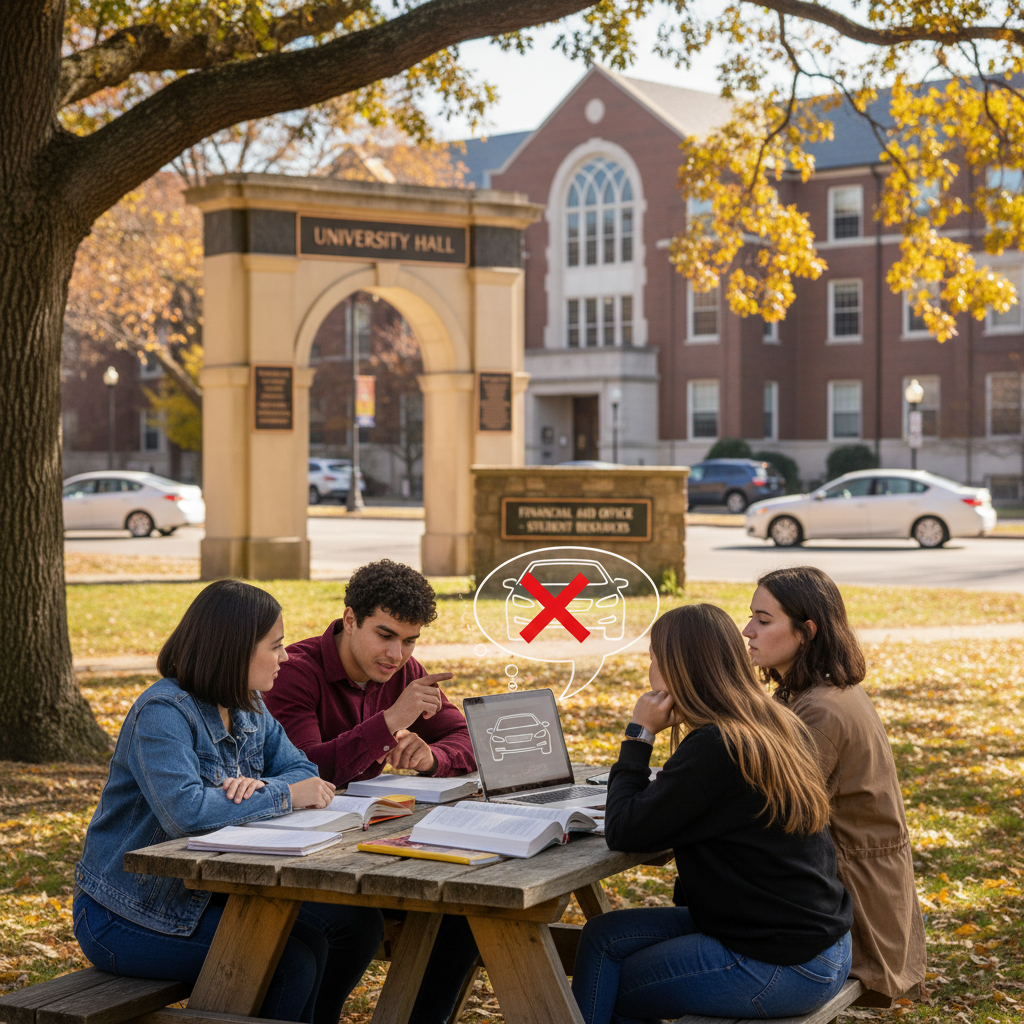
Student loans are fundamentally designed to cover costs directly related to your education. This includes tuition, fees, textbooks, supplies, and sometimes living expenses while you are enrolled in school. The federal guidelines for these loans, particularly for federal student loans, emphasize that funds should be allocated strictly for educational purposes.
Using student loans for a car purchase could be a clear violation of these terms, leading to potential repercussions such as loan cancellation or legal action from the lender. Additionally, private lenders also typically have similar restrictions, which could complicate your borrowing experience. Understanding these limitations is crucial before considering any purchases that deviate from the intended use of student loans.
The Financial Implications of Using Student Loans
The financial ramifications of misusing student loans are significant. If you were to purchase a car with funds allocated for education, you risk defaulting on your loan. Defaulting can severely damage your credit score, making it difficult to obtain financing in the future, whether for a home, a second car, or even student loan refinancing.
Moreover, repaying a car financed through student loans could strain your monthly budget, especially if you’re already managing tuition payments, rent, and other living expenses. Cars come with additional costs such as insurance, maintenance, fuel, and parking fees, which could further exacerbate financial stress while you’re still in school. Therefore, it is essential to consider the long-term implications of such a financial decision.
Alternatives to Student Loans for Buying a Car
If you find yourself in need of a vehicle, exploring other financing options is advisable. Personal loans can be a viable alternative as they often come with fewer restrictions and can be used for various purposes, including car purchases. These loans can be obtained from banks, credit unions, or online lenders, and typically require a credit check and proof of income.
Another alternative is to consider a co-signer for a traditional auto loan. A co-signer with a strong credit history can help you secure better interest rates and terms, making the loan more affordable. This can be particularly beneficial for students who may not have an established credit history. Additionally, some dealerships offer student discounts or financing plans specifically designed for students, which can provide more favorable terms than traditional financing routes.
Pros and Cons of Financing a Car as a Student
Financing a car as a student presents both advantages and disadvantages. On the positive side, having reliable transportation can significantly enhance your mobility, allowing you to commute to classes, internships, or part-time jobs more easily. This convenience can also provide a sense of independence and flexibility in your daily schedule.
However, the cons are notable. Students often face high-interest rates due to limited credit history and income, which can make monthly payments burdensome. Additionally, the financial responsibility of a car—encompassing insurance, maintenance, and fuel—can add to the stress of managing student loans and other expenses. Weighing these pros and cons carefully is essential before making a decision on whether to finance a car.
Tips for Financing a Car on a Student Budget
To successfully finance a car while adhering to a student budget, it is crucial to set a realistic budget that reflects your income and expenses. Start by calculating your monthly income from part-time jobs or allowances, and create a detailed outline of all your fixed expenses, including rent, groceries, and tuition payments. This will help you determine how much you can afford to allocate toward a car payment without jeopardizing your financial stability.
Next, conduct thorough research on various financing options available to students. Compare interest rates from banks, credit unions, and online lenders to ensure you secure the most favorable terms. Additionally, consider the total cost of ownership—factoring in insurance, maintenance, and fuel—when calculating your budget. This holistic view will aid in making an informed decision that aligns with your financial situation.
When to Consider Buying a Car as a Student
Before committing to a car purchase, assess whether your lifestyle and transportation needs truly warrant it. If you live in an area with reliable public transportation, such as buses or subways, you may want to reconsider your need for a vehicle. The cost of ownership can quickly add up, and public transit options could save you money and hassle.
Evaluate your schedule and commitments. If you have a demanding academic load or limited time for a job, the responsibilities of car ownership might outweigh the benefits. On the other hand, if you have a job or internship requiring regular travel, and public transportation is not feasible, then investing in a vehicle could be justified.
In conclusion, while using a student loan to buy a car is not advisable due to restrictions and financial risks, there are several alternative financing options available. Carefully consider your budget and needs before making a decision, and explore different avenues that align with your financial situation. For more information on financing options, consult with a financial advisor or your school’s financial aid office. Taking the time to assess your circumstances will help you make a sound financial decision that supports your educational and personal goals.
Frequently Asked Questions
Can I use a student loan to buy a car?
Generally, student loans are specifically designed for educational expenses, such as tuition, books, and living costs while attending school. While it’s technically possible to take out a larger student loan and use the surplus funds for a car purchase, doing so is not advisable. Misusing student loan funds can lead to serious consequences, including penalties and difficulty repaying the loan, as well as potentially losing your eligibility for future federal aid.
What are the best financing options for students looking to buy a car?
For students seeking to purchase a car, the best financing options often include personal loans, credit unions, or specialized auto loans designed for first-time buyers. Personal loans can provide flexible terms, while credit unions typically offer lower interest rates for members. Additionally, some dealerships offer financing plans specifically tailored for students, which may require little to no credit history.
How does taking on a car loan affect my student loan repayment?
Taking on a car loan while already managing student loan repayment can affect your financial situation significantly. Adding a car loan increases your overall debt-to-income ratio, which lenders consider when evaluating your creditworthiness. Moreover, it can strain your budget, making it more challenging to meet monthly payments for both loans, potentially leading to missed payments and negatively impacting your credit score.
Why should I avoid using student loans for non-educational expenses like buying a car?
Avoiding the use of student loans for non-educational expenses is crucial because it can lead to financial repercussions. Misusing these funds can result in higher debt levels, complicate your financial future, and potentially jeopardize your eligibility for federal aid. Additionally, the interest rates on student loans are often lower than those for auto loans, making it financially unwise to allocate funds intended for education towards a vehicle.
Which types of cars are best for students on a budget?
For students on a budget, the best cars typically include used compact or subcompact vehicles known for their fuel efficiency and reliability. Models such as the Honda Civic, Toyota Corolla, or Ford Fiesta are often recommended due to their affordable pricing, low maintenance costs, and excellent resale value. It’s also wise to consider insurance rates and overall ownership costs when selecting a car, as these factors can significantly impact your budget.
References
- https://www.ed.gov/loans/forgiveness-cancellation/types-public-service-loan-forgiveness
- Federal Student Aid
- My appraisal is less than the sale price. What does that mean for me? | Consumer Financial Protec…
- https://www.nasfaa.org/newsitem/21667/Can_You_Use_Student_Loan_Money_to_Pay_for_a_Car
- https://www.thebalance.com/using-student-loans-for-non-education-expenses-4174284
- https://www.investopedia.com/articles/personal-finance/101715/can-i-use-student-loans-buy-car.asp