Buying a foreclosure with a VA loan is indeed possible, provided certain conditions are met. This article will guide you through the nuances of using a VA loan for foreclosed properties, including eligibility requirements and the process involved. Understanding how to leverage this unique financing option can unlock significant savings and opportunities for homeownership, especially for veterans and active-duty service members seeking affordable housing.
Understanding VA Loans
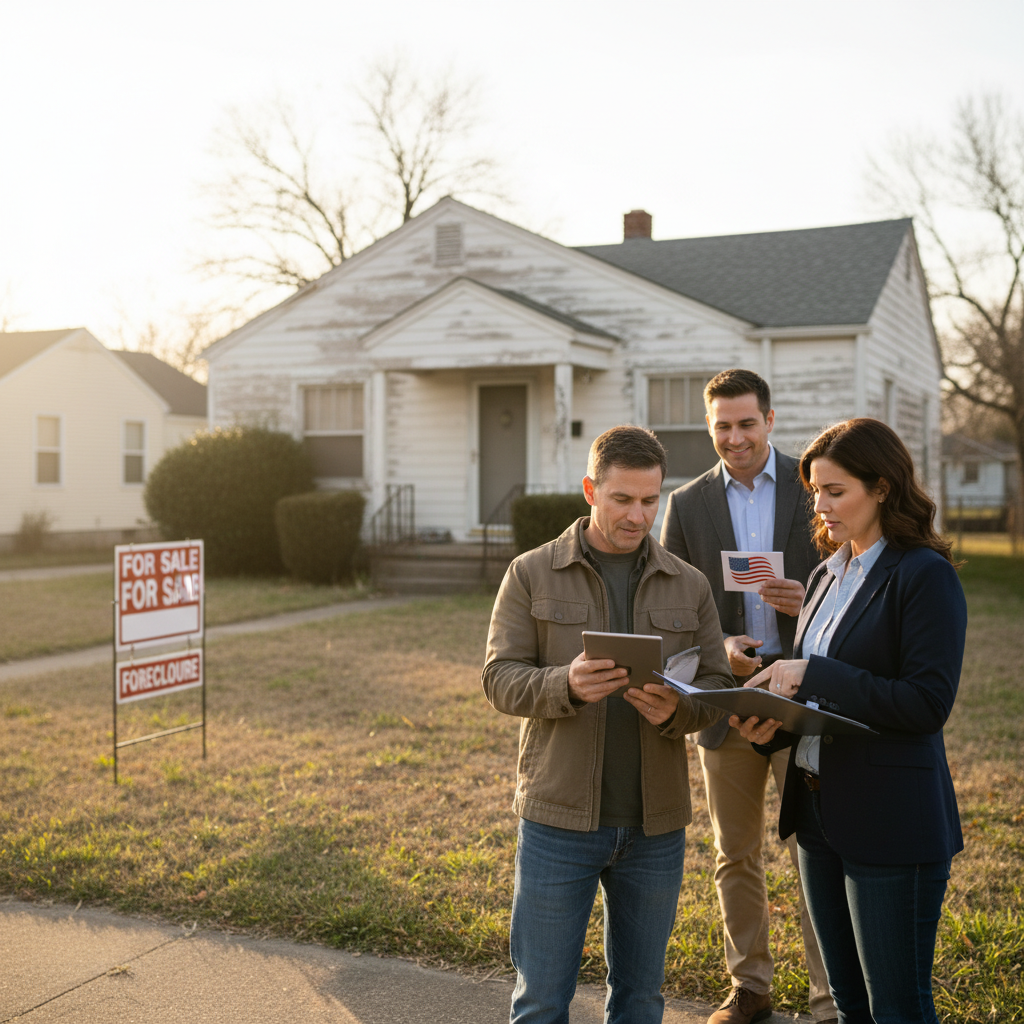
VA loans are a powerful financing tool tailored specifically for veterans, active-duty service members, and certain members of the National Guard and Reserves. These government-backed loans offer several compelling benefits that make them particularly attractive to eligible homebuyers. One of the most notable advantages is the ability to purchase a home without a down payment, which can significantly lower the initial financial barrier to homeownership. In addition to this, VA loans typically feature competitive interest rates that can lead to substantial savings over the life of the loan, as well as the absence of private mortgage insurance (PMI). This can further reduce monthly mortgage payments, making it easier for veterans and active-duty members to afford their homes.
Understanding the mechanics of VA loans also means recognizing that they are designed to promote homeownership among military families and veterans, reflecting the government’s commitment to those who have served the country. The loans can be used to purchase various types of properties, including single-family homes, condominiums, and certain multi-family dwellings, which expands the possibilities for potential buyers.
Eligibility Criteria for VA Loans on Foreclosures
To successfully purchase a foreclosure using a VA loan, buyers must meet specific eligibility criteria set forth by the Department of Veterans Affairs. First and foremost, the property itself must adhere to the VA’s minimum property requirements (MPRs), which are aimed at ensuring that any home purchased is safe, sanitary, and structurally sound. These requirements help safeguard the health and well-being of the occupants and ensure that the property is a suitable investment.
In addition to property requirements, buyers must possess a valid Certificate of Eligibility (COE). This document verifies the borrower’s eligibility for a VA loan based on their military service history. Obtaining a COE can be done easily through the VA’s website or by working with a lender who can assist in the application process. Furthermore, while there is no minimum credit score mandated by the VA, lenders may have their own guidelines that borrowers must meet. Therefore, it is advisable to check with various lenders to understand their specific requirements.
The Foreclosure Buying Process
The process of buying a foreclosure can be quite different from purchasing a traditional home, making it essential to work with a real estate agent who has experience in this niche market. A knowledgeable agent can help navigate the complexities of foreclosure transactions, which often involve additional paperwork and a unique set of challenges.
When considering a foreclosure, it’s vital to be prepared for the competitive nature of these properties. Many foreclosures are sold “as-is,” meaning that the buyer must be ready to submit offers quickly upon finding a property of interest. In many cases, multiple buyers may be interested in the same property, necessitating swift action. Additionally, buyers should conduct thorough inspections to identify any potential issues that may arise, as foreclosures may have been neglected or require significant repairs.
Engaging in the buying process for a foreclosure often includes working with a title company to ensure that there are no outstanding liens or claims against the property, which could complicate the purchase. Understanding these nuances will help streamline the process and enhance the chances of a successful transaction.
Financing Considerations
While VA loans can cover the full purchase price of a foreclosed property, prospective buyers should be aware that additional costs related to repairs and renovations may not be fully covered by the loan. For properties that require extensive repairs to meet the VA’s MPRs, buyers may need to seek alternative financing options or prepare for out-of-pocket expenses.
It’s crucial to have a clear understanding of potential hidden costs associated with foreclosures. These can include unpaid property taxes, homeowner association fees, or repair costs that may not be immediately visible. Conducting a thorough property inspection and title search before closing can help mitigate some of these risks and ensure that buyers are fully informed about the financial obligations they are taking on.
Additionally, understanding the financing options available—such as the VA’s Renovation Loan program—can provide further opportunities for buyers looking to finance repairs and renovations. This flexibility can be a significant advantage when considering the purchase of a distressed property.
Working with Lenders
Not all lenders are experienced with VA loans for foreclosures, which makes it essential to identify a lender who is knowledgeable about this specific type of financing. Begin by reaching out to several lenders to gauge their experience with VA loans and foreclosures. Inquire about their processes and any specific requirements they may have for financing a foreclosure purchase.
When discussing your intent to purchase a foreclosure, be clear about your goals and any concerns you may have. A good lender will not only help you secure the financing you need but also guide you through the complexities of the foreclosure process. This collaboration can help ensure that your purchase aligns with both your financial capabilities and your long-term homeownership goals.
Common Misconceptions
A prevalent misconception is that VA loans cannot be used to purchase foreclosures, which could dissuade eligible buyers from exploring this option. In reality, VA loans are a viable financing mechanism for foreclosed properties, provided that all necessary conditions are met. The key is understanding the specific requirements set forth by the VA and ensuring that both the property and the buyer meet those standards.
It’s also important to recognize that while foreclosures may present unique challenges—such as potential repairs or title issues—they can also offer remarkable opportunities for homebuyers. Many foreclosed properties are sold at a significant discount, allowing buyers to invest in real estate at a lower price point. This can ultimately lead to substantial savings and equity growth over time if the property is well-maintained and improved.
Tips for Successful Purchase
To increase the likelihood of a successful purchase, prospective buyers should conduct thorough due diligence on the property before making any offers. This includes reviewing the property’s history, assessing its condition, and understanding the local real estate market. Additionally, consider obtaining a comprehensive home inspection to uncover any potential issues that may not be visible during a casual viewing.
Engaging with experienced professionals, such as real estate agents and inspectors, can provide invaluable insights into the condition of the property and the nuances of the foreclosure process. Furthermore, being prepared to act quickly in the fast-paced foreclosure market can make a significant difference in securing the right property at the right price.
Ultimately, patience and persistence are key—while the process may seem daunting, the rewards of homeownership through a VA loan for a foreclosure can be well worth the effort.
Buying a foreclosure with a VA loan is a viable option that can lead to significant savings and homeownership opportunities. By understanding the requirements and preparing for the buying process, you can navigate this path successfully. If you’re ready to explore your options, consult with a qualified lender or real estate agent today. Embracing this opportunity not only honors your service but also opens the door to a rewarding home investment.
Frequently Asked Questions
Can you use a VA loan to purchase a foreclosure property?
Yes, you can use a VA loan to purchase a foreclosure property, provided the home meets the VA’s minimum property requirements. VA loans are designed to help veterans and active-duty service members buy homes with favorable terms, including no down payment and competitive interest rates. However, it’s essential to ensure that the foreclosure is in good condition and passes the VA’s appraisal process.
What are the benefits of using a VA loan for buying a foreclosure?
The primary benefits of using a VA loan for purchasing a foreclosure include no down payment requirements, no private mortgage insurance (PMI), and lower interest rates compared to conventional loans. Additionally, VA loans have flexible credit guidelines, which can be advantageous for buyers looking to purchase foreclosures that may need some repairs or renovations.
How does the VA loan process work for buying a foreclosure?
The VA loan process for buying a foreclosure involves several steps, starting with getting pre-approved by a VA-approved lender. Once you find a foreclosure property, your lender will order a VA appraisal to assess the home’s value and condition. If the property meets the VA’s standards, you can proceed with the purchase, completing necessary paperwork and closing the loan.
Why might a foreclosure be a good choice for a VA loan?
A foreclosure can be an excellent choice for a VA loan because it often comes at a lower price than comparable homes on the market. This affordability can be particularly beneficial for veterans or service members looking to maximize their VA loan benefits. Additionally, many foreclosures may offer opportunities for renovation or improvement, allowing buyers to increase the home’s value over time.
What should buyers consider when using a VA loan for a foreclosure?
When using a VA loan to buy a foreclosure, buyers should consider the property’s condition, as it must meet the VA’s minimum property requirements. It’s vital to conduct a thorough inspection to identify any potential repairs that might be needed. Additionally, buyers should budget for these repairs and consider working with a real estate agent experienced in VA loans and foreclosures to navigate the purchase process effectively.
References
- https://www.va.gov/housing-assistance/home-loans/loan-types/foreclosure.asp
- https://www.hud.gov/program_offices/housing/sfh/ins/va_loan
- If I am considering an adjustable-rate mortgage (ARM), what should I look out for in the fine pri…
- https://www.military.com/join-armed-forces/va-home-loans.html
- https://www.nolo.com/legal-encyclopedia/va-home-loans-what-you-need-know-29782.html