

Buying land using a VA loan is possible under certain circumstances. While VA loans are typically associated with purchasing homes, they can also be leveraged to finance land, particularly if you plan to build your primary residence on it. Understanding the specific conditions and options available for using VA loans to secure land is crucial for veterans and active-duty service members looking to embark on this investment journey.
Understanding VA Loans
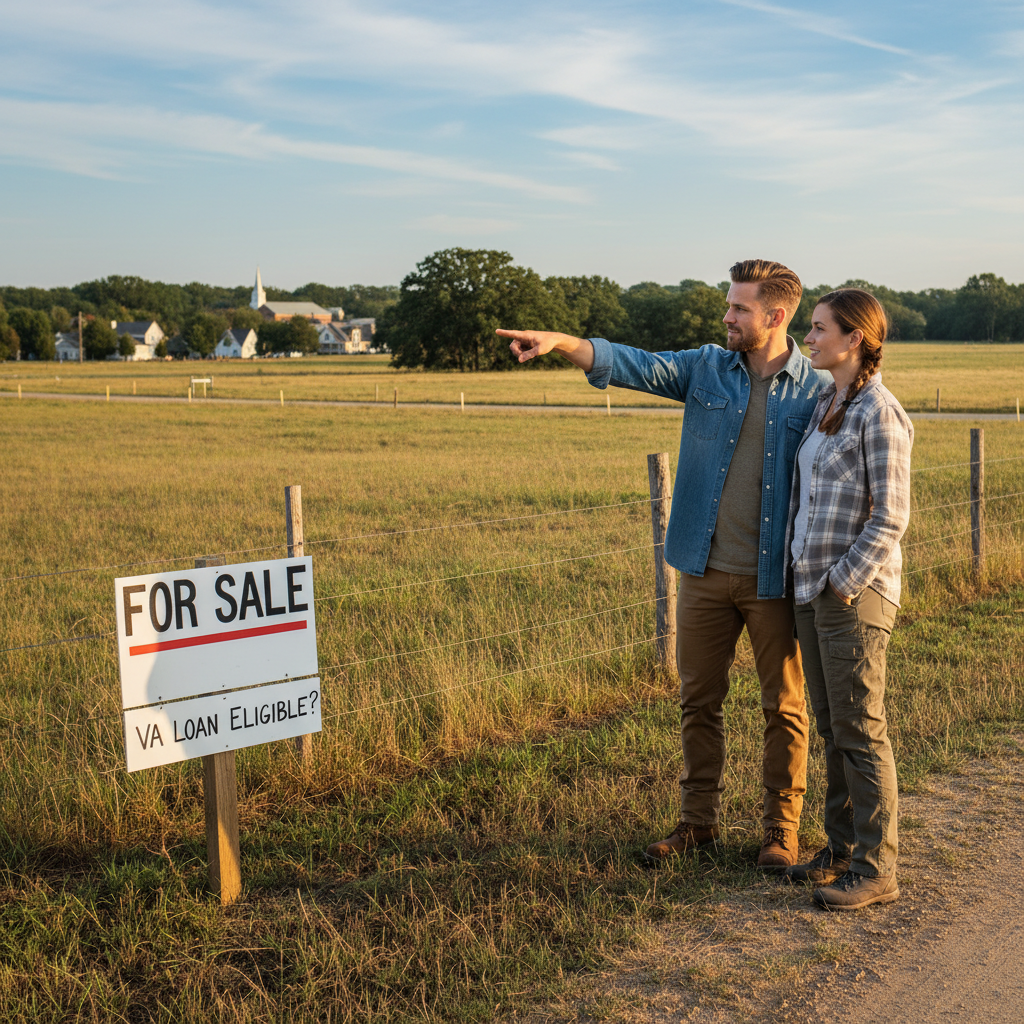
VA loans are a unique financial product guaranteed by the Department of Veterans Affairs, designed to assist veterans and active-duty service members in purchasing homes with favorable terms. Unlike conventional loans, VA loans offer significant benefits that make them appealing to eligible borrowers. One of the most compelling features is the absence of a down payment requirement, which can be a significant barrier for many first-time homebuyers. Furthermore, VA loans do not require private mortgage insurance (PMI), reducing the overall monthly payment burden. Additionally, these loans typically come with competitive interest rates, making them a financially responsible choice for veterans aiming to secure a home.
The VA loan program also includes various loan types and options tailored to different needs, including those looking to buy land. Understanding these nuances is essential for veterans who wish to maximize their benefits and make informed decisions regarding property purchases.
Eligible Uses for VA Loans
VA loans are versatile financial instruments that can be utilized for a variety of property-related purposes. They can be used not only for purchasing existing homes but also for constructing new homes and, under specific conditions, buying land with the intention to build. However, to qualify for a VA loan to purchase land, it is imperative to demonstrate your intent to construct a primary residence on that land.
For instance, if a veteran finds a suitable plot of land but does not have immediate plans to build, they may not qualify for a VA loan. The VA requires evidence that the property will serve as the borrower’s primary residence, reflecting the program’s focus on supporting veterans in securing homes rather than speculative land investments.
Financing Land with a VA Loan
To finance land using a VA loan, borrowers often need to consider a specific type of VA loan known as a “construction loan.” This financing option is tailored for individuals who are not only acquiring land but also have definitive plans for building a home. A construction loan typically requires a detailed construction plan, including architectural drawings and a timeline for completion. This added layer of complexity is necessary to ensure that the intended project aligns with VA guidelines and standards.
In addition, lenders may require an appraisal of the land and the proposed construction plans to assess the property’s value and viability as a residential site. Engaging a VA-approved lender early in the process can provide clarity on what documentation and plans are needed to streamline the approval process.
Requirements for Purchasing Land
When considering the purchase of land with a VA loan, certain requirements must be met to ensure compliance with VA guidelines. First and foremost, the land must be zoned for residential use. This zoning designation is critical, as it confirms that the land is suitable for building a home. Additionally, the borrower must demonstrate a clear intent to use the land for this purpose, which may involve submitting a construction plan and timeline.
Beyond zoning and intent, potential borrowers must meet the standard eligibility criteria for VA loans. This includes demonstrating adequate service history—typically requiring at least 90 days of active duty service or a specified period of service in the National Guard or Reserves. Creditworthiness is another important factor; while VA loans have flexible credit requirements, lenders will still assess your credit score and financial history to determine eligibility.
Alternative Financing Options
If using a VA loan for land isn’t feasible due to specific circumstances or requirements, several alternative financing options are available. Conventional loans are a popular choice for those looking to purchase land, though they often come with stricter credit requirements and potential down payment obligations. Additionally, land loans specifically designed for purchasing vacant land can be another route, though these may also have different terms and interest rates compared to traditional mortgages.
Owner financing is another alternative, allowing the buyer to negotiate directly with the landowner for financing options. While this can be beneficial in certain situations, it is vital to understand the terms of any agreement thoroughly and ensure that it meets your long-term financial goals.
Pros and Cons of Using a VA Loan for Land
Using a VA loan to purchase land offers several advantages and disadvantages that potential borrowers should consider.
Pros:
– No down payment required, making homeownership more accessible.
– Favorable interest rates, which can lead to significant savings over the life of the loan.
– The ability to finance construction costs alongside the land purchase, simplifying the financing process for veterans looking to build.
Cons:
– The approval process can be more complex, requiring detailed documentation and a clear intent to build.
– Potential limitations on the type of land that can be purchased, as it must be zoned for residential use and designated for a primary residence.
Understanding these pros and cons is essential for veterans to weigh their options effectively before proceeding with a land purchase.
Steps to Take When Considering This Option
For veterans considering using a VA loan to buy land, a systematic approach can ease the process. First, contact a VA-approved lender to discuss your plans and confirm your eligibility. This initial conversation can provide valuable insights into what is required and help you understand the nuances of the VA loan process.
Next, gather the necessary documentation, including your military service records, credit reports, and any plans you may have for construction. Having this information readily available can expedite the approval process and ensure that you meet all necessary criteria.
Additionally, researching potential plots of land is crucial. Verify that the land is zoned for residential use and aligns with your construction plans. Engaging with local real estate agents or land specialists can also provide guidance on suitable properties and help navigate any local regulations.
Using a VA loan to buy land can be a viable option if you meet the necessary requirements and have a clear plan for building a home. It’s crucial to work closely with a knowledgeable lender to navigate the process effectively. If you’re considering this path, reach out to a VA loan specialist today to explore your options and get started on your journey to homeownership. By understanding the requirements and securing the right financing, you can make your dream of owning a home a reality.
Frequently Asked Questions
Can you use a VA loan to buy land only?
Yes, you can use a VA loan to purchase land, but there are specific conditions. The land must be intended for the construction of a home that will be your primary residence. Additionally, you will need to provide a construction plan and timeline, as VA loans are primarily designed for properties that will be developed into housing rather than vacant land.
What are the requirements for using a VA loan to buy land?
To use a VA loan to buy land, you must meet standard VA loan eligibility criteria, including having a valid Certificate of Eligibility (COE). Furthermore, the land must be zoned for residential use, and you need to demonstrate that you plan to build a home on the property within a reasonable timeframe. Lenders may also require you to show your construction plans and financing.
How does financing work when using a VA loan to buy land and build a home?
When using a VA loan to finance land and construction, you typically secure a one-time close loan, which combines both the land purchase and home construction costs. This type of loan streamlines the process, allowing you to avoid multiple approvals and fees. It’s essential to work with a lender experienced in VA construction loans to ensure you meet all requirements and deadlines.
Why would someone choose a VA loan for buying land instead of other financing options?
Choosing a VA loan for buying land offers significant advantages, including no down payment requirement, competitive interest rates, and no private mortgage insurance (PMI). These benefits make VA loans an attractive financing option for eligible veterans and active-duty service members, enabling them to invest in property with less financial strain compared to conventional loans.
Which lenders offer VA loans for land purchases?
Many lenders offer VA loans for land purchases, but it’s crucial to find one that specializes in VA financing. Start by checking with traditional banks, credit unions, and mortgage companies that have a solid reputation for VA loans. Online reviews and recommendations from fellow veterans can also help guide you to reliable lenders who understand the nuances of financing land with a VA loan.
References
- 404 – Page Not Found – Veterans Benefits Administration
- VA-Backed Veterans Home Loans | Veterans Affairs
- https://www.military.com/money/va-loans/understanding-va-loans.html
- https://www.consumerfinance.gov/ask-cfpb/can-i-use-a-va-loan-to-buy-land-or-a-home-questions/
- https://www.bankrate.com/mortgages/va-loan-eligible-properties/
- https://www.investopedia.com/terms/v/valoans.asp