Paying court fees with a credit card is often possible, but it depends on the court’s payment policies and the jurisdiction. In many cases, courts accept credit cards, providing a convenient option for those who may not have the funds available immediately. This article will explore the specifics of using a credit card to pay court fees, including potential advantages and limitations.
Understanding Court Payment Policies
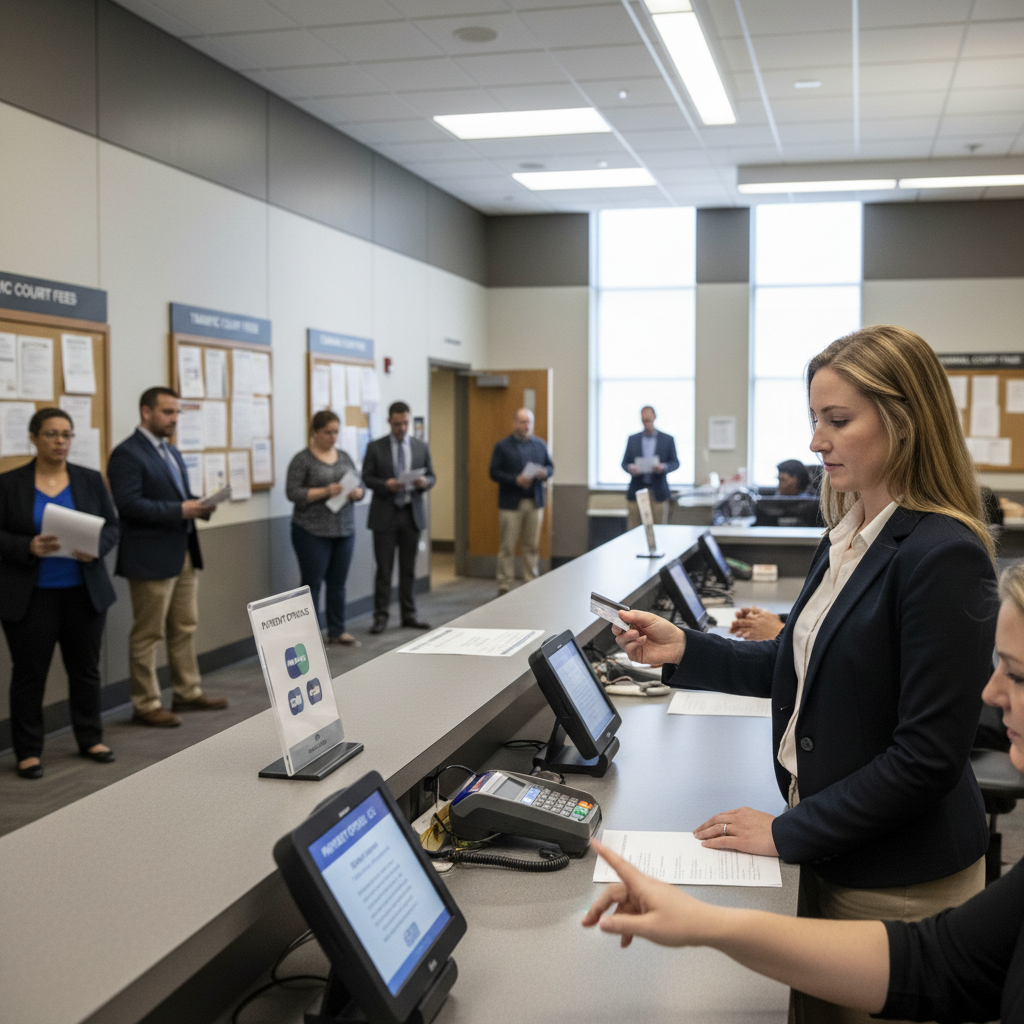
Different courts have varying policies regarding accepted payment methods, and this can significantly influence how you approach paying your court fees. While many state and local courts have embraced technology and now accept credit card payments, others may still rely on traditional payment methods. It is crucial to check with your specific court to see if credit cards are accepted, as policies can change frequently.
For instance, in many jurisdictions, the family and civil courts have updated their systems to allow for credit card payments, whereas criminal courts might have stricter rules due to the nature of the fees involved. Courts often provide this information on their official websites or through their administrative offices. Taking the time to understand your court’s specific policy can save you from delays or complications during the payment process.
Types of Court Fees
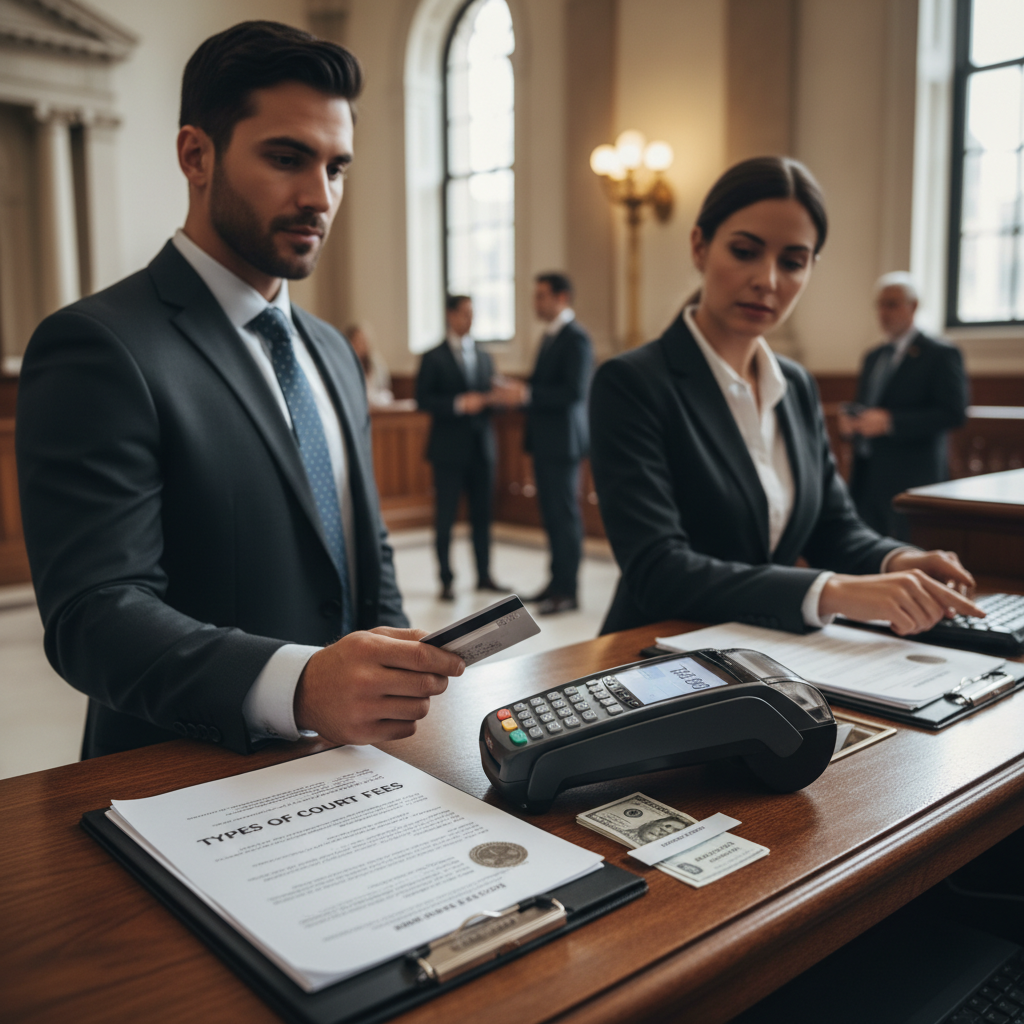
Court fees can include a variety of charges such as filing fees, service fees, and other administrative costs that are associated with legal proceedings. Understanding these fees is essential for effective financial planning and ensuring compliance with court requirements.
Filing fees, which are typically charged when initiating a lawsuit or legal action, can vary widely based on the type of case. Service fees may be incurred when legal documents are delivered to parties involved in a case. Other administrative costs might include fees for transcripts, jury demand, or appeals. Knowing which of these fees can be paid with a credit card is crucial for planning, as some courts may allow credit card payments only for certain types of fees while others may not. This can affect how quickly you can proceed with your legal matters.
Pros of Paying Court Fees with a Credit Card
Using a credit card to pay court fees offers several advantages, especially for individuals facing immediate financial constraints. One of the primary benefits is the immediate access to funds that a credit card provides. If you find yourself needing to pay a filing fee urgently, having the option to use a credit card can facilitate timely payments and prevent delays in your legal proceedings.
Furthermore, many credit cards offer rewards or benefits for transactions, such as cash back, travel points, or other incentives. Paying court fees with a credit card can thus not only help you manage your cash flow but also allow you to earn rewards on expenses that are often unavoidable. This can be particularly beneficial for individuals who are managing multiple legal fees across various cases.
Cons of Paying Court Fees with a Credit Card
Despite the advantages, there are notable disadvantages to consider when using a credit card to pay court fees. One significant drawback is that credit card payments may incur additional processing fees. Some courts may charge a convenience fee for credit card transactions, which can add to the overall cost of your legal expenses.
Additionally, relying on credit can lead to debt if not managed properly. If you do not have the funds to pay off your credit card balance promptly, you may face high-interest rates, which can compound your financial burden over time. Therefore, it is essential to weigh the convenience of using a credit card against the potential long-term costs associated with credit card debt.
Alternative Payment Methods
In addition to credit cards, courts often accept checks, money orders, or cash as alternatives. Each payment method has its own set of advantages and drawbacks. For example, paying by check or money order may help you avoid credit card processing fees and the risk of incurring debt. However, these methods may not provide the same level of immediacy as a credit card payment, especially if you are facing tight deadlines.
Cash payments, while straightforward, may not always be practical or safe, especially for larger amounts. Exploring all available payment options is vital to find the one that suits your financial situation best. If you are unsure of which payment method would be most beneficial for your circumstances, consider reaching out to the court’s financial department for guidance.
How to Make a Payment
If you determine that paying court fees with a credit card is an option for your situation, the next step is to understand how to make the payment correctly. Many courts now offer online payment portals that allow you to pay court fees easily and securely using your credit card.
To make a payment, visit your court’s official website and navigate to the payments section. You may need to provide specific details such as your case number and the type of fee you are paying. It is crucial to ensure that all information entered is accurate to avoid processing errors. After completing the transaction, keep a record of the confirmation and any receipts for your records, as this can be helpful in case of disputes or discrepancies.
If your court does not have an online payment option, you may be able to pay in person at the court clerk’s office. Be sure to check the court’s hours of operation and whether they accept credit card payments at that location.
In summary, while many courts allow payment of fees via credit card, it’s essential to verify your specific court’s policies. Consider the advantages and disadvantages of using a credit card for this purpose, and explore alternative payment methods if needed. For more information on court fees and payment options, contact your local court or visit their official website.
Frequently Asked Questions
Can you pay court fees with a credit card?
Yes, many courts allow individuals to pay court fees using a credit card. However, acceptance can vary by jurisdiction, so it’s essential to check with your local court’s website or contact their clerk’s office for specific payment options available. Using a credit card can be convenient, especially if you’re facing financial constraints and need to manage your cash flow better.
How do I pay court fees with a credit card?
To pay court fees with a credit card, visit your local court’s website and look for the payment options section. Most courts offer an online payment portal where you can enter your credit card information securely. If online payment isn’t available, you may also have the option to pay over the phone or in person at the courthouse.
Why might I choose to pay court fees with a credit card?
Paying court fees with a credit card can provide several advantages, such as the ability to manage cash flow and avoid immediate out-of-pocket expenses. Additionally, using a credit card may allow you to earn rewards points or cash back, depending on your card’s benefits. Furthermore, it can streamline the payment process, especially if deadlines are approaching.
What if my local court does not accept credit card payments for fees?
If your local court does not accept credit card payments, you can explore alternative payment methods such as cash, checks, or money orders. Additionally, some courts may offer payment plans or financial assistance for individuals who are unable to pay their fees upfront. It’s advisable to reach out to the court clerk to discuss your options and understand any potential penalties for late payments.
Which credit cards are typically accepted for court fee payments?
Most courts that accept credit card payments typically accept major credit cards such as Visa, MasterCard, American Express, and Discover. However, acceptance can vary by court, so it’s important to verify with your local court to ensure that your specific card is accepted. Additionally, be aware of any potential convenience fees associated with credit card transactions when paying court fees.
References
- https://www.uscourts.gov/services-forms/payment-court-fees
- https://www.nolo.com/legal-encyclopedia/can-i-use-credit-card-pay-court-fees-30205.html
- https://www.courts.ca.gov/faq.htm#courtfees
- https://www.lawhelp.org/article/7g6ZB7f9kY6Fx2QG1g7q9b
- https://www.americanbar.org/groups/public_ed/resources/law_related_education_resources/law_libraries/courts_payment_options/
- https://www.nycourts.gov/courthelp/Payment/paymentOptions.shtml