

If you’re wondering whether you can obtain student loans for summer school, the answer is yes. Many students are eligible for federal and private student loans to help cover the costs of summer courses. Summer school can be an excellent opportunity for students to accelerate their academic progress, catch up on missed credits, or explore new subjects, and funding options are available to support these goals. In this article, we’ll explore how to access these funds, the types of loans available, and important considerations to keep in mind.
Understanding Student Loan Eligibility for Summer School
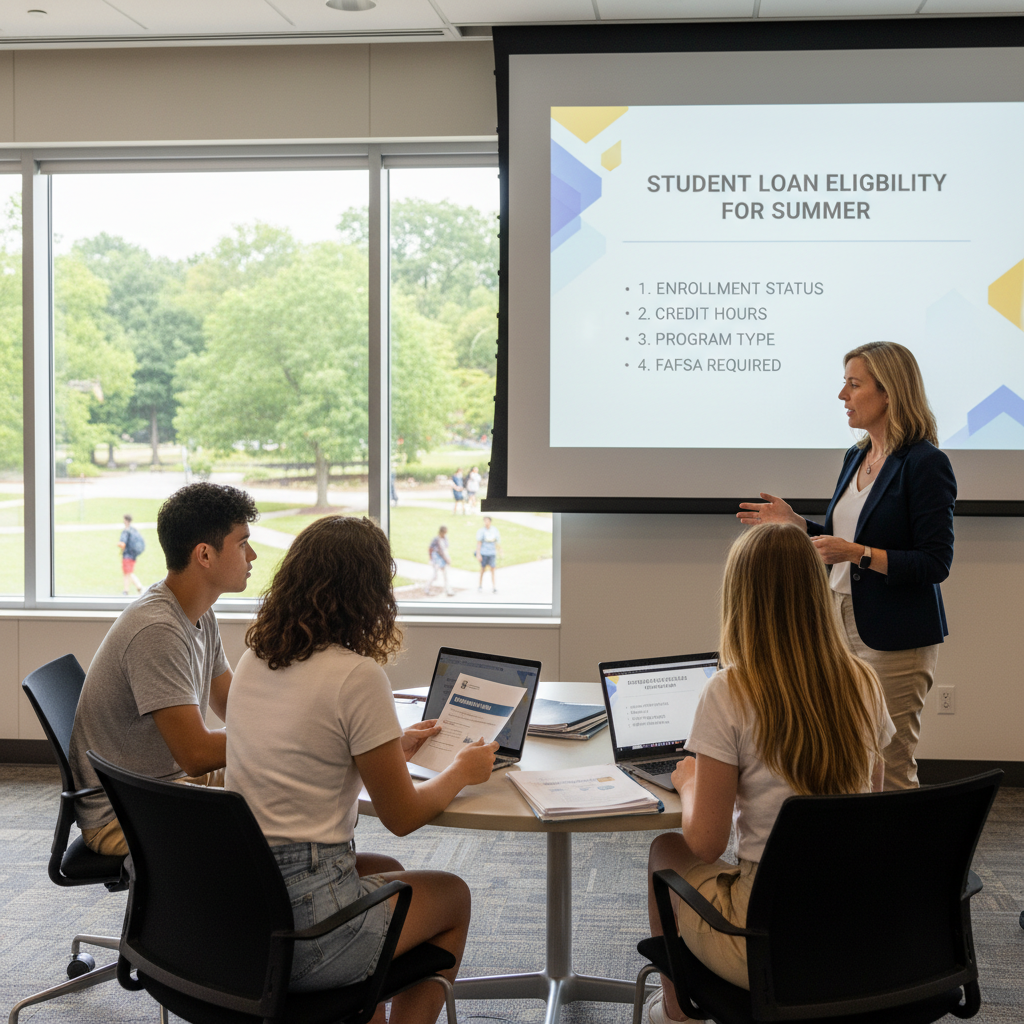
To qualify for student loans for summer school, students must typically be enrolled in an eligible degree or certificate program. Federal student aid is often contingent upon maintaining half-time enrollment status, which may differ for summer sessions compared to traditional academic years. Most colleges and universities have specific criteria determining whether summer enrollment counts toward eligibility for federal financial aid, so it is essential to check with your school’s financial aid office to confirm your eligibility status. They can provide detailed information regarding enrollment requirements, loan types available, and timelines for applying. It’s worth noting that some institutions may have different definitions of full-time and half-time status during the summer term, so understanding these nuances is important.
Types of Student Loans for Summer School
When it comes to financing summer courses, students generally have access to two primary types of loans: federal Direct Loans and private loans.
– Federal Direct Loans: These loans are available to most students, including undergraduates and graduates, regardless of financial need. Depending on your eligibility, you may qualify for subsidized loans—where the government pays the interest while you’re in school—or unsubsidized loans, which accrue interest during your studies. To access these loans, you must complete the Free Application for Federal Student Aid (FAFSA), which determines your eligibility based on various factors, including income and family contributions.
– Private Loans: If federal loans do not cover the full cost of attendance, students often turn to private loans offered by banks and credit unions. These loans can vary significantly in terms of interest rates, repayment terms, and eligibility criteria. Often, private loans may require a credit check, and sometimes a co-signer is needed if the borrower does not have an established credit history. It is crucial to compare multiple lenders to find the best rates and terms that align with your financial situation.
How to Apply for Student Loans for Summer Courses
Applying for student loans for summer courses involves a few key steps.
– Complete the FAFSA: This is essential for access to federal loans. The FAFSA must be completed annually, and while it is typically associated with the fall and spring semesters, it also applies to summer sessions. Make sure to indicate your intention to enroll in summer courses on your application.
– Review your school’s financial aid application process for summer sessions: Each institution may have its own process for summer financial aid, including additional applications or forms. Check with the financial aid office for specific guidelines, which may include deadlines and required documentation. Early communication with the office can provide you with a clear roadmap to securing your funding.
Important Deadlines to Consider
When planning for summer school, it is crucial to be aware of specific deadlines for financial aid applications. Federal deadlines for FAFSA submissions can vary, but typically, they align with the academic year. However, many schools have their own deadlines for summer term applications, which can be considerably earlier than those for fall or spring semesters.
In addition to application deadlines, keep in mind that processing loan applications can take time. Students should aim to submit their applications well in advance of the summer term to ensure they receive their funds in time to pay for tuition and other expenses. Staying organized and maintaining a checklist of deadlines can help mitigate the risk of missing out on financial aid opportunities.
Tips for Managing Student Loans for Summer School
Managing student loans effectively is essential to minimizing debt and ensuring financial stability. Here are some tactical tips to consider:
– Create a budget: Before enrolling in summer courses, draft a comprehensive budget that includes tuition, fees, and living expenses for the summer term. Factor in costs such as textbooks, supplies, and transportation to gain a clear understanding of your financial needs.
– Consider part-time work or internships: Taking on part-time employment or securing an internship during the summer can help offset costs and reduce reliance on loans. Many students find that working even a few hours a week can significantly ease their financial burden while providing valuable work experience.
– Explore loan repayment options: Understanding the repayment terms of your loans is crucial. Look into options like income-driven repayment plans or deferment if you anticipate financial difficulty after graduation.
Alternatives to Student Loans for Summer School
While student loans can provide necessary funding for summer school, it is prudent to explore alternative financial options:
– Scholarships: Numerous organizations offer summer-specific scholarships aimed at various fields of study. Conduct thorough research to identify scholarships that align with your academic pursuits or personal background. Websites like Fastweb and Cappex can help you find suitable opportunities.
– Payment Plans: Many educational institutions offer payment plans that allow students to spread out tuition payments over the summer term rather than paying a lump sum upfront. This can make managing costs more feasible and less stressful.
By exploring these options, you can reduce your reliance on student loans and potentially graduate with less debt.
In conclusion, obtaining student loans for summer school is certainly possible, and it can be a strategic way to advance your education. Understanding eligibility requirements, the types of loans available, and the application process is crucial for successfully navigating the financial aid landscape. Be proactive about deadlines and consider budgeting and alternative funding options to manage your finances effectively. For personalized advice tailored to your unique situation, it is always best to consult your school’s financial aid office early in your planning process. By doing so, you will be well-prepared to make informed decisions about financing your summer education.
Frequently Asked Questions
Can you get federal student loans for summer school?
Yes, you can obtain federal student loans for summer school if you are enrolled at least half-time in an eligible program. It’s essential to complete the Free Application for Federal Student Aid (FAFSA) for the academic year, as summer sessions are often considered part of the same academic year. Additionally, ensure that your school participates in federal financial aid programs to qualify for loans.
What types of student loans are available for summer school?
For summer school, students can utilize federal student loans such as Direct Subsidized Loans and Direct Unsubsidized Loans. Some students may also consider Parent PLUS loans for their dependent children. Additionally, private loans are available, but they typically come with higher interest rates and less favorable repayment terms than federal loans.
How do I apply for student loans for summer courses?
To apply for student loans for summer courses, start by completing the FAFSA if you haven’t already. After that, contact your school’s financial aid office to discuss your summer enrollment and loan eligibility. They will guide you through the necessary paperwork and ensure you understand the terms and conditions of the loans you may be eligible for.
Why should I consider taking summer classes with student loans?
Taking summer classes can accelerate your academic progress, allowing you to graduate sooner, which can save you money on tuition and living expenses in the long run. Utilizing student loans for summer school can help cover these costs, making it financially feasible to continue your education uninterrupted, thus enhancing your job prospects and earning potential after graduation.
Which summer classes are most beneficial to take with student loans?
The most beneficial summer classes to take with student loans are those that fulfill core curriculum requirements or advance your major. Additionally, consider classes that may help you improve your GPA or allow you to catch up on course prerequisites, which can facilitate a smoother academic progression. Always consult your academic advisor to choose courses that align with your long-term educational goals.
References
- Federal Student Aid
- https://www.ed.gov/news/press-releases/2021-2022-fafsa-now-available-students
- https://www.nasfaa.org/uploads/documents/summer_financial_aid.pdf
- College Board – SAT, AP, College Search and Admission Tools
- Careers and Career Information – CareerOneStop
- https://www.niche.com/blog/summer-school-financial-aid/
- https://www.academichelp.net/financial-aid-for-summer-school.html
- https://www.educationcorner.com/financial-aid-summer-school.html