

Yes, you can get student loans for certificate programs, but the availability and type of loans depend on the specific program and the institution offering it. Many educational institutions provide financial aid for their certificate courses, and you may also qualify for federal student loans. This article will delve into the various options available for securing funding for certificate programs, outlining the requirements and processes involved.
Understanding Certificate Programs
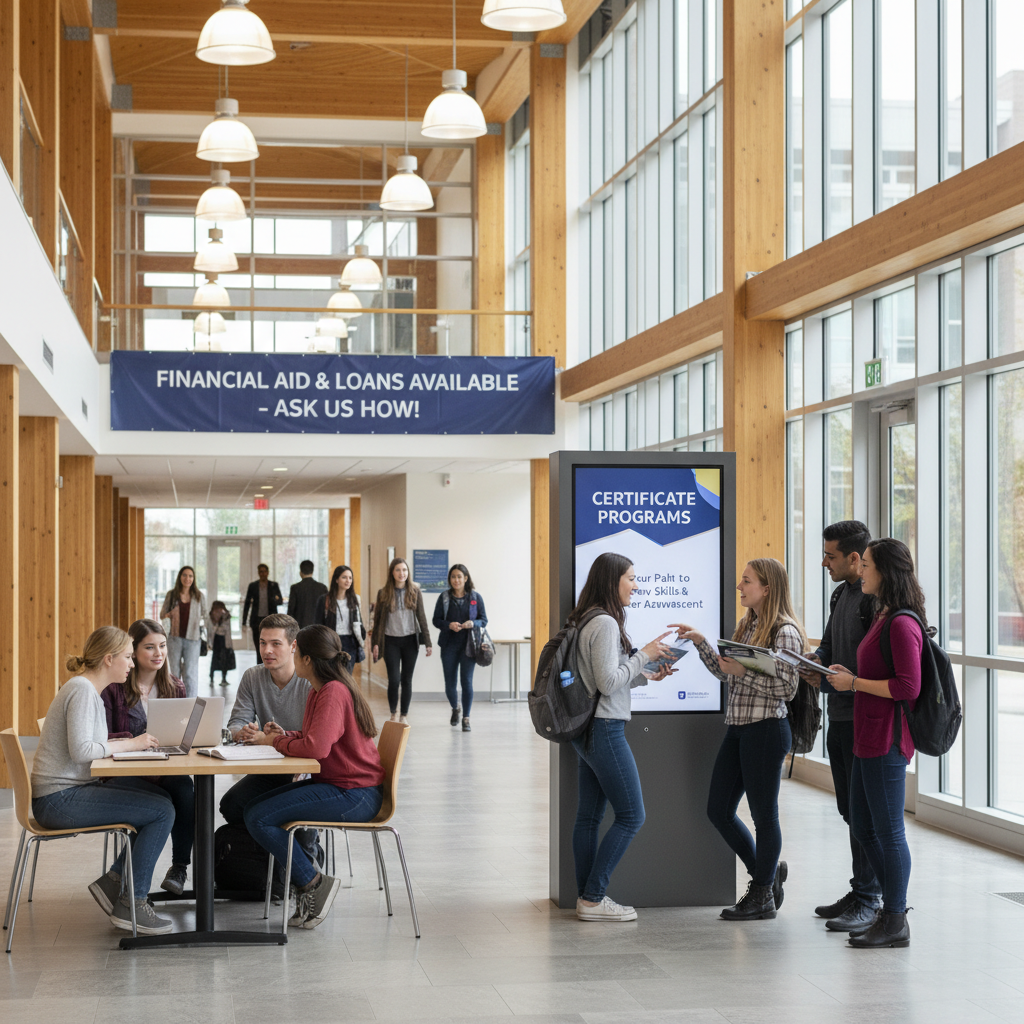
Certificate programs are short-term educational offerings designed to provide specialized training or skills in a particular field. They vary widely in length, typically ranging from a few weeks to several months, and focus on equipping students with practical knowledge that can enhance their employability or help them transition into a new career. Common types of certificate programs include those in healthcare, information technology, business administration, and skilled trades.
In contrast to degree programs, which usually require several years of study and culminate in an associate’s, bachelor’s, or advanced degree, certificate programs are more condensed. They often serve as a stepping stone for students who may not be ready for a full degree or need to gain skills quickly to enter the workforce. Understanding these distinctions is crucial in determining the right educational pathway and financial support options available.
Types of Financial Aid for Certificate Programs
When it comes to financing your education, several types of financial aid may be available for certificate programs. Federal student loans are often the most accessible option for students, but eligibility can vary based on the program’s accreditation. To qualify for federal loans, the certificate program must typically be offered by an institution that participates in federal student aid programs.
In addition to federal loans, students can also explore state grants and scholarships specifically designed for certificate program participants. Many states offer financial assistance to help residents pursue vocational training and skill development. Scholarships may be based on various factors, including merit, financial need, or specific fields of study, making it essential for students to research their options thoroughly.
Federal Student Loan Options
Federal student loans are a popular means of financing education, and they can be applied to certificate programs under certain conditions. The two primary types of federal loans are Direct Subsidized Loans and Direct Unsubsidized Loans.
Direct Subsidized Loans are available to undergraduate students who demonstrate financial need, where the government pays the interest while the student is enrolled at least half-time. On the other hand, Direct Unsubsidized Loans are available to both undergraduate and graduate students regardless of financial need, but the borrower is responsible for all interest accrued during the life of the loan.
For graduate students pursuing advanced certificate programs, PLUS Loans provide another option. These loans require a credit check and may cover the full cost of attendance, including tuition and fees, minus any other financial aid received.
Private Student Loans for Certificate Programs
In addition to federal loans, private student loans can be a viable option for financing certificate programs. However, it is essential to carefully evaluate private lenders before committing to a loan. Factors to consider include interest rates, repayment terms, fees, and the lender’s reputation.
While private loans can offer higher borrowing limits and quicker access to funds, they often lack the borrower protections associated with federal loans, such as income-driven repayment plans and loan forgiveness options. Additionally, many private lenders require a creditworthy cosigner, especially for students without an established credit history. Students should weigh the pros and cons of private loans compared to federal loans, considering their unique financial situation and long-term goals.
Application Process for Student Loans
Applying for student loans begins with the completion of the Free Application for Federal Student Aid (FAFSA). This form assesses your financial need and determines your eligibility for federal student loans, state grants, and even some institutional aid. The application process involves several steps:
1. Gather Required Documents: Collect necessary information, including your Social Security number, tax returns, and information about your family’s income.
2. Complete the FAFSA: Fill out the FAFSA online, ensuring that you list all the schools you are considering. This allows institutions to evaluate your eligibility for financial aid.
3. Review Your Student Aid Report (SAR): After submission, you will receive a SAR that summarizes your FAFSA data. Review it for accuracy and correct any errors.
4. Receive Financial Aid Offers: Schools will send you financial aid packages detailing the loans and grants for which you qualify.
For private loans, the application process varies by lender but generally includes filling out an online application, providing financial documentation, and undergoing a credit check.
Tips for Managing Student Loan Debt
Managing student loan debt effectively is crucial for financial stability after completing a certificate program. Here are some strategies to consider:
1. Create a Budget: Develop a budget that accounts for your living expenses, tuition, and loan repayments. This will help you allocate resources wisely and avoid unnecessary debt.
2. Consider Part-Time Work: If feasible, look for part-time employment opportunities that align with your studies. This can help offset costs and reduce reliance on loans.
3. Explore Repayment Options: Familiarize yourself with different loan repayment plans. Federal loans offer various options, including income-driven repayment plans, which can ease the financial burden.
4. Seek Loan Forgiveness Programs: Some occupations, such as teaching or public service, may qualify for loan forgiveness programs. Research eligibility requirements early on to take advantage of these options.
Conclusion
In summary, while there are options available for obtaining student loans for certificate programs, it’s crucial to explore all avenues, including federal and private loans, as well as scholarships and grants. Understanding the distinctions between different types of programs and financial aid can empower you to make informed decisions about your education. To get started, research your program’s eligibility and apply for financial aid as soon as possible to ensure you have the funding you need to succeed.
Frequently Asked Questions
Can you get federal student loans for certificate programs?
Yes, you can obtain federal student loans for certain certificate programs, provided they are offered by accredited institutions. To qualify, the program must meet federal eligibility requirements, which generally include being at least 600 clock hours or 16 weeks in length. It’s important to fill out the Free Application for Federal Student Aid (FAFSA) to determine your eligibility for federal aid options.
What types of financial aid are available for certificate programs?
Financial aid for certificate programs can include federal student loans, grants, scholarships, and state aid. Federal loans such as Direct Subsidized and Unsubsidized Loans may be available, as well as Pell Grants for those who qualify. Additionally, many organizations and institutions offer scholarships specifically tailored for students pursuing certificate programs, so it’s worth exploring all options.
How do I apply for student loans for a certificate program?
To apply for student loans for a certificate program, start by completing the FAFSA, which will assess your financial situation and determine your eligibility for federal aid. Afterward, check with your school’s financial aid office for specific loan options that may be available for your program. They can guide you through the process and help you understand the loan terms and repayment options.
Why are student loans for certificate programs important?
Student loans for certificate programs are important because they provide financial support for individuals seeking to enhance their skills or switch careers without the burden of upfront costs. These loans enable students to invest in their education, which can lead to better job opportunities and higher earning potential. Understanding loan options can help students make informed decisions about their educational investments.
Which certificate programs are eligible for student loans?
Eligibility for student loans varies by program and institution, but generally, certificate programs that are accredited and recognized by the U.S. Department of Education qualify for federal student aid. Common eligible fields include healthcare, information technology, and skilled trades. Always verify with your institution whether the specific certificate program you are interested in meets the necessary criteria for student loans.
References
- Federal Student Aid
- https://www.ed.gov/news/press-releases/education-department-announces-new-initiative-expand-access-certificate-programs
- https://www.nasfaa.org/Student_Loans_for_Certificate_Programs
- https://www.forbes.com/advisor/student-loans/certificate-programs-and-financial-aid/
- https://www.insidehighered.com/news/2020/12/02/what-federal-financial-aid-looks-certificate-programs
- https://www.educationcorner.com/certificate-programs.html
- American Council on Education