

Yes, you can include payday loans in a bankruptcy filing, allowing you to potentially discharge these burdensome debts. However, it’s crucial to understand the implications of this decision and the bankruptcy process itself. This article will delve into how payday loans are treated in bankruptcy, the different bankruptcy options available, the eligibility criteria, the filing process, the impact on your credit, alternatives to bankruptcy, and important considerations before making this significant financial move.
Understanding Payday Loans
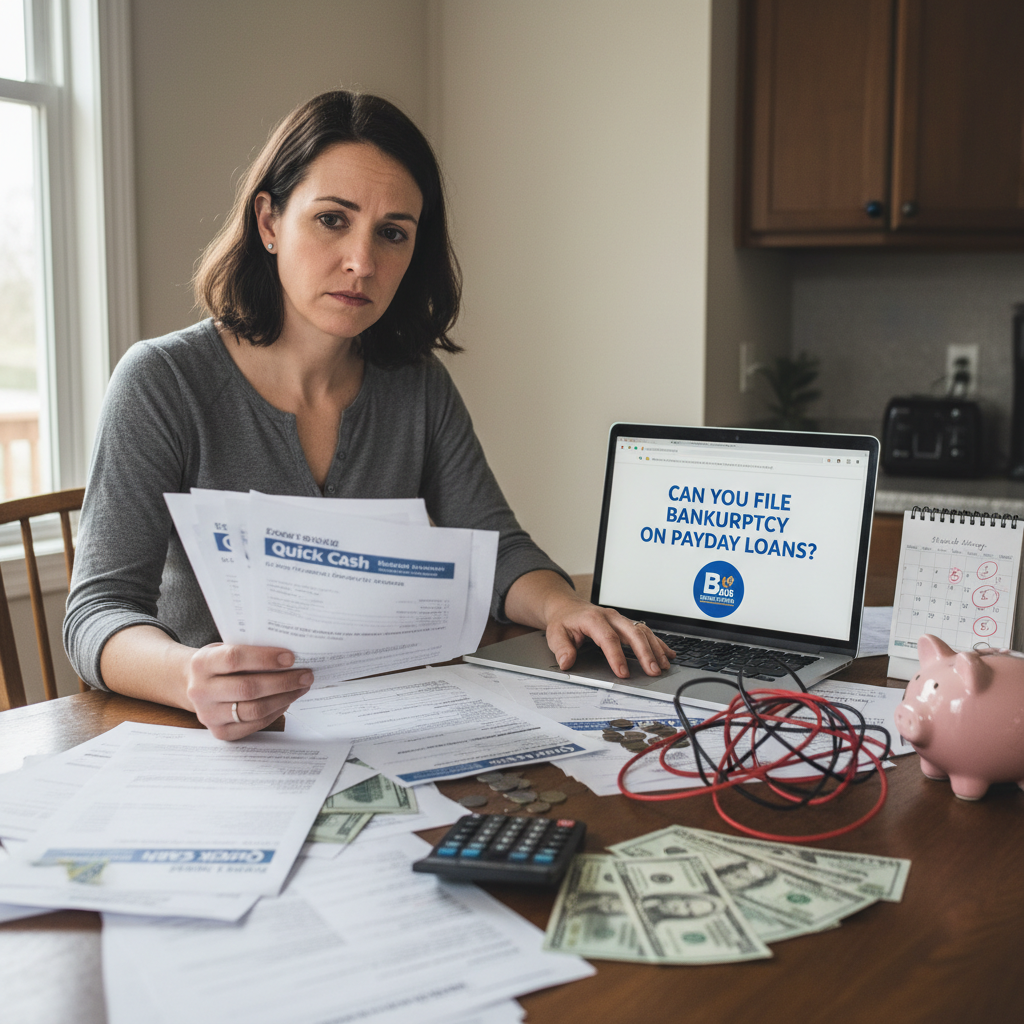
Payday loans are short-term, high-interest loans designed to provide quick cash for individuals facing immediate financial needs. Typically, these loans are due on the borrower’s next payday, hence the name. The problem with payday loans lies in their exorbitant interest rates and fees, which can exceed 400% APR in some cases. This high cost can trap borrowers in a cycle of debt, as they often need to take out subsequent loans to pay off the original debts. As a result, many individuals find themselves unable to meet their financial obligations, leading to severe stress and financial instability.
Types of Bankruptcy
When considering the discharge of payday loans through bankruptcy, there are two primary types to explore: Chapter 7 and Chapter 13.
Chapter 7
Chapter 7 bankruptcy is often referred to as “liquidation bankruptcy.” This option allows individuals to discharge unsecured debts, including payday loans, relatively quickly—typically within three to six months. Under Chapter 7, a bankruptcy trustee may sell non-exempt assets to pay creditors, but many individuals retain their essential assets, as certain properties are exempt under state laws. This form of bankruptcy is advantageous for those looking for a fresh financial start without the burden of unsecured debts.
Chapter 13
Chapter 13 bankruptcy, on the other hand, involves creating a repayment plan to manage debts over a three to five-year period. This option is suitable for individuals who have a steady income and wish to avoid liquidation of assets. In this scenario, payday loans can still be included in the repayment plan, allowing borrowers to pay off their debts in manageable installments. Chapter 13 can also help prevent foreclosure on a home or repossession of a vehicle, making it a viable option for those with secured debts as well.
Eligibility for Bankruptcy
Before filing for bankruptcy, it’s essential to understand the eligibility requirements associated with each bankruptcy type.
Criteria for Filing
To qualify for Chapter 7 bankruptcy, individuals must pass the means test, which assesses their income level against the median income for their state. If your income is below the median, you may qualify for Chapter 7. Conversely, if it exceeds the median, you may need to file under Chapter 13.
Mandatory Credit Counseling
Additionally, before filing for bankruptcy, individuals are required to undergo a credit counseling session with an approved agency. This session typically lasts 60 to 90 minutes and aims to evaluate your financial situation, explore alternatives to bankruptcy, and provide a certificate of completion needed for the filing process.
The Process of Filing Bankruptcy
Filing for bankruptcy involves several critical steps that must be followed diligently.
Gather Financial Documentation
The first step in the bankruptcy process is to gather all relevant financial documentation. This includes loan agreements, bank statements, tax returns, and a comprehensive list of debts and assets. Organizing this information can streamline the filing process and ensure that all necessary details are included.
File the Bankruptcy Petition
Once you have your documentation in order, the next step is to file the bankruptcy petition and accompanying schedules with the bankruptcy court. This petition outlines your financial situation, including income, expenses, assets, and debts. After filing, an automatic stay is put into place, which halts most collection actions against you, providing immediate relief from creditors.
The Impact on Your Credit
Filing for bankruptcy has significant implications for your credit score and report.
Credit Report Duration
Bankruptcy stays on your credit report for seven to ten years, depending on the chapter filed. Chapter 7 bankruptcy typically remains on your report for ten years, while Chapter 13 remains for seven years. This can negatively impact your credit score in the short term, making it more challenging to obtain new credit or loans.
Long-Term Effects
While the initial impact on your credit score can be detrimental, it’s essential to recognize that bankruptcy can provide a fresh start. By discharging payday loans and other unsecured debts, individuals can begin rebuilding their credit more effectively. Over time, with responsible financial behavior, many find that their credit scores improve as they demonstrate a commitment to managing their finances better.
Alternatives to Bankruptcy
While bankruptcy is a viable option for discharging payday loans, there are alternatives worth considering.
Debt Consolidation
Debt consolidation involves combining multiple debts into a single loan with a lower interest rate. This approach can simplify payments and reduce overall interest costs. By consolidating payday loans with a personal loan or a balance transfer credit card, borrowers can potentially escape the high-interest trap of payday loans without resorting to bankruptcy.
Negotiation with Lenders
Another option is to negotiate directly with lenders. Many payday lenders may be willing to settle for a lower amount or offer a payment plan that aligns better with your financial situation. Open communication with creditors can lead to more manageable repayment terms and help avoid the need for bankruptcy.
What to Consider Before Filing
Before deciding to file for bankruptcy, a thorough evaluation of your financial situation is critical.
Evaluate Your Overall Financial Situation
Consider your current financial obligations, income, and assets. Assess whether bankruptcy truly provides the best solution for your debt issues, or if alternative methods may be more appropriate. It may be beneficial to create a detailed budget and consult with a financial advisor to weigh your options carefully.
Consult with a Bankruptcy Attorney
Seeking legal advice from a bankruptcy attorney can provide clarity on your options and the potential outcomes of filing. An attorney can guide you through the complexities of the bankruptcy process, ensure that your rights are protected, and help you make informed decisions based on your circumstances.
Filing for bankruptcy on payday loans is a viable path toward financial relief, offering a way to regain control over your financial future. By understanding the types of bankruptcy available, the eligibility criteria, and the implications for your credit, you can make an informed decision that best aligns with your needs. If you find yourself overwhelmed by payday loan debt, consider consulting with a professional to explore your options and take the first step toward a fresh financial start.
Frequently Asked Questions
Can you file bankruptcy on payday loans?
Yes, you can file for bankruptcy on payday loans. When you declare bankruptcy, it typically discharges unsecured debts, including payday loans, which means you won’t have to repay them. However, the specific impact on your financial situation will depend on the type of bankruptcy you file—Chapter 7 or Chapter 13—and your overall financial circumstances.
How does bankruptcy affect payday loan debts?
Filing for bankruptcy can provide relief from payday loan debts by discharging them in most cases. In Chapter 7 bankruptcy, unsecured debts like payday loans are typically eliminated, allowing you to start fresh financially. In a Chapter 13 filing, you may be required to create a repayment plan, but payday loans still often get addressed within this plan, potentially reducing the amount you owe.
Why should I consider bankruptcy for payday loans?
Considering bankruptcy for payday loans can be beneficial if you are overwhelmed by debt and struggling to make payments. Bankruptcy can provide a fresh financial start by discharging these high-interest loans, helping you to avoid the cycle of debt. Additionally, it can halt collection actions and give you time to reorganize your finances.
What is the best bankruptcy option for dealing with payday loans?
The best bankruptcy option for dealing with payday loans largely depends on your financial situation. Chapter 7 bankruptcy is often recommended for those with limited income and assets, as it quickly discharges unsecured debts like payday loans. However, if you have significant assets you want to keep, Chapter 13 could be a better choice, allowing you to repay debts over time while protecting your property.
Which debts are not discharged in bankruptcy when filing for payday loans?
While payday loans are generally considered unsecured debts and can be discharged in bankruptcy, certain debts are not eligible for discharge. These include student loans, child support, alimony, and certain tax obligations. It’s important to consult with a bankruptcy attorney to understand the specifics of your case and which debts will remain after filing.
References
- https://www.consumerfinance.gov/ask-cfpb/can-i-file-bankruptcy-on-payday-loans-en-2047/
- https://www.nolo.com/legal-encyclopedia/bankruptcy-payday-loans-29745.html
- https://www.americanbar.org/groups/business_law/publications/blt/2015/11/03_feldman/
- https://www.debt.org/bankruptcy/payday-loans/
- https://www.legalservicesnc.org/en/publications/bankruptcy-and-payday-loans/
- https://www.apprisen.com/financial-education/faq/bankruptcy-and-payday-loans/
- https://www.nclc.org/issues/payday-loans.html
- https://www.nerdwallet.com/article/debt/payday-loans-and-bankruptcy