

Using land as collateral for a construction loan is not only possible, but it’s also a common practice among lenders. Many financial institutions accept land as security, which can significantly ease the loan approval process for potential builders. By leveraging owned land, borrowers can access the necessary funds to initiate construction projects without depleting their cash reserves. In this article, we will explore how land can be leveraged, the factors involved, and key considerations for borrowers.
Understanding Construction Loans
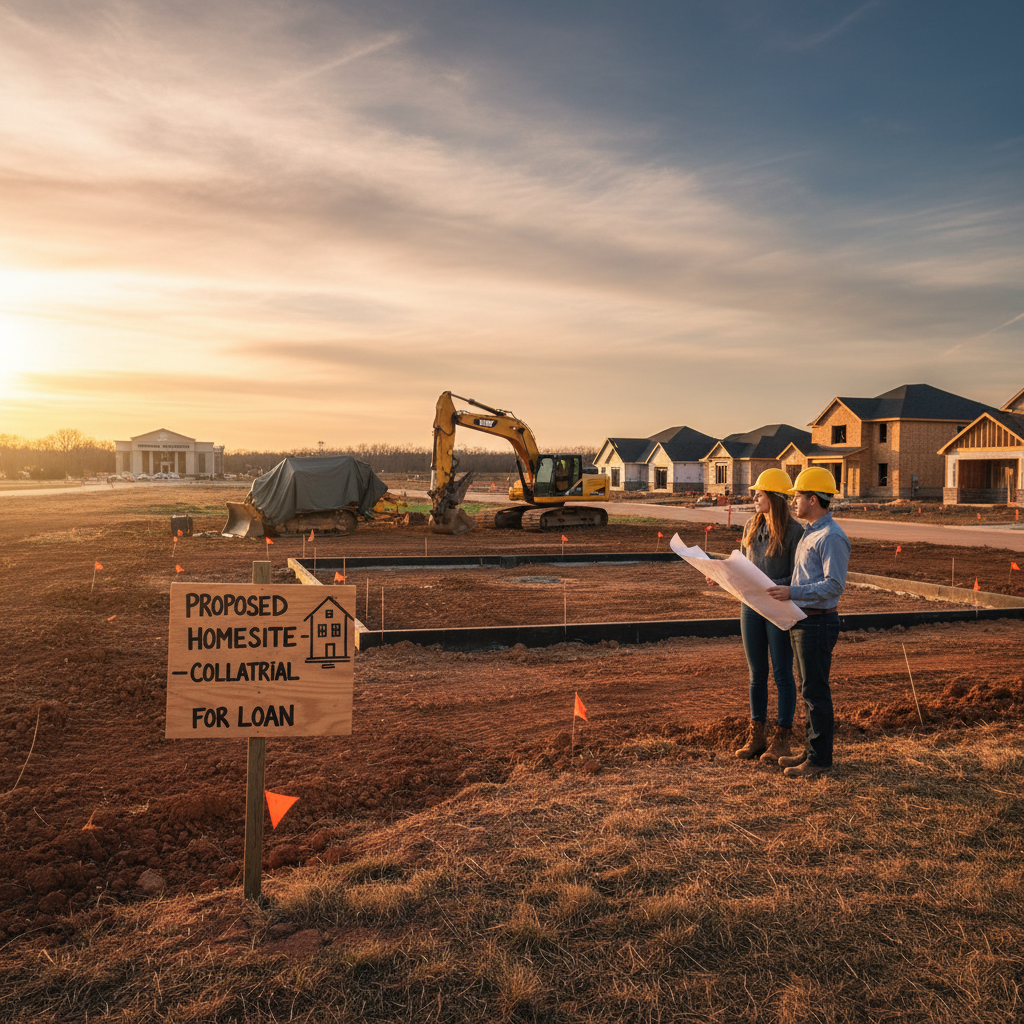
Construction loans are short-term, high-interest loans specifically designed to finance the building of a new structure or extensive renovations of an existing one. These loans differ from traditional mortgages in that they are typically disbursed in stages, known as “draws,” to ensure funds are released as construction progresses. The primary purpose of a construction loan is to provide the necessary capital to cover costs such as materials, labor, and permits until the project is completed and a permanent mortgage can be obtained.
There are various types of construction loans available in the market, including:
1. Construction-to-Permanent Loans: These loans convert into a permanent mortgage once the construction is completed, allowing borrowers to lock in interest rates and streamline financing.
2. Stand-Alone Construction Loans: These loans only cover the construction phase. Once the project is finished, the borrower needs to secure a separate mortgage to pay off the construction loan.
3. Renovation Loans: Designed for those looking to remodel or update an existing property, these loans can provide funds for both construction and the purchase of the property itself.
Understanding the nuances of each loan type is critical for prospective builders to choose the option that best aligns with their financial situation and project goals.
How Land Serves as Collateral
Using land as collateral for a construction loan involves pledging your land’s value to secure the borrowed amount. This collateralization can significantly enhance a borrower’s chances of loan approval, especially if the land has substantial equity or is located in a desirable area. When lenders evaluate the collateral, they consider the land’s appraised value, which is determined through a formal appraisal process.
The benefits of using land as collateral are manifold. First, it can lead to lower interest rates, as lenders perceive less risk when collateral is involved. Second, it allows borrowers to tap into their existing assets without needing to liquidate other investments or savings. For example, a homeowner with a fully paid-off lot can leverage that asset to finance the construction of a new home, enabling them to maintain their liquidity for other expenses.
Factors Lenders Consider
When lenders assess land as collateral, they focus on several key factors to determine its value and suitability. One of the most critical is the land equity, which is the difference between the market value of the land and any outstanding debt against it. Higher equity often leads to better loan terms, as it indicates a lower risk for the lender.
The appraised value of the land is also essential. An appraisal considers various elements such as the land’s size, location, and any improvements made to it. Consequently, the significance of location cannot be overstated; land in a thriving area with robust infrastructure and amenities generally commands a higher value.
Additionally, zoning regulations play a substantial role in determining collateral value. Properties that are zoned for residential or commercial use may attract higher valuations compared to those designated for agricultural use or other limited purposes. Lenders will scrutinize these regulations to ensure that the land can be used as intended for the proposed construction project.
Types of Land Suitable for Collateral
Not all land is created equal when it comes to using it as collateral for a construction loan. There are two primary categories of land: raw land and developed land.
Raw Land: This type of land is undeveloped and lacks utilities, roads, or other necessary infrastructure. While it may be less expensive, it carries higher risks for lenders due to its uncertain market value and the potential costs associated with development. Borrowers seeking loans against raw land may face stricter requirements and higher interest rates.
Developed Land: This land has been improved with access to utilities and infrastructure, making it more attractive to lenders. Developed properties typically have higher appraised values and can facilitate easier access to financing. For instance, a borrower looking to build a residential home on a developed lot with water, sewer, and road access is likely to experience a smoother loan approval process compared to someone with raw land.
Understanding the distinctions between these land types is crucial for borrowers, as the type of land can significantly affect loan terms and approval likelihood.
Risks Involved with Using Land as Collateral
While leveraging land as collateral can provide financial benefits, it also comes with inherent risks. One significant risk is the potential for project delays or failures. If construction stalls due to funding issues, supply chain disruptions, or unforeseen circumstances, the borrower may struggle to meet loan payments. In such cases, the lender may initiate foreclosure proceedings to recover their investment, resulting in the loss of the land.
Another risk arises from the implications of defaulting on the loan. If the borrower cannot repay the loan, the lender has the right to seize the collateralized land. This scenario not only results in the loss of the property but can also adversely affect the borrower’s credit score, making future financing more challenging.
To mitigate these risks, it’s essential for borrowers to conduct thorough project planning, maintain realistic timelines, and ensure adequate financial contingencies are in place.
Steps to Take When Seeking a Construction Loan
When considering a construction loan with land as collateral, borrowers should take specific steps to enhance their likelihood of approval and streamline the application process.
1. Prepare Necessary Documentation: Collect all relevant documents, including proof of land ownership, legal descriptions, and any existing appraisals. Lenders may also require detailed construction plans, budgets, and timelines.
2. Conduct Land Appraisals: Hire a certified appraiser to assess the land’s value. A recent appraisal can provide valuable insight into the collateral’s worth and help negotiate better loan terms.
3. Research Lenders: Not all lenders have the same policies regarding land as collateral. Research and identify lenders experienced in construction loans and willing to accept land as security. Compare their terms, interest rates, and fees to find the best fit.
4. Consult Experts: Engaging with financial advisors or lending experts can provide additional insights into the borrowing process, helping to navigate complexities and identify potential pitfalls.
By following these steps, potential borrowers can position themselves favorably in the eyes of lenders and increase their chances of securing a construction loan with land as collateral.
Using land as collateral for a construction loan can be a powerful financial tool for prospective builders. By understanding the nuances of construction loans, the factors influencing collateral value, and the risks involved, borrowers can make informed decisions. If you are considering a construction loan, it’s crucial to consult with financial advisors or lending experts to explore your options and ensure you are well-prepared for the application process.
Frequently Asked Questions
Can I use my land as collateral for a construction loan?
Yes, you can use your land as collateral for a construction loan. Lenders typically assess the value of the land and may require an appraisal to determine its worth. If the land is owned outright or has significant equity, it can help secure more favorable loan terms, including lower interest rates or reduced down payments.
What types of construction loans allow land to be used as collateral?
Various types of construction loans allow land to be used as collateral, including construction-to-permanent loans and owner-builder loans. Construction-to-permanent loans transition from a construction phase to a permanent mortgage once the building is completed, while owner-builder loans are specifically tailored for those managing their own construction projects. Each loan type may have different requirements regarding the use of land as collateral.
How does using land as collateral impact my construction loan approval?
Using land as collateral can significantly improve your chances of obtaining a construction loan. It reduces the lender’s risk, which may lead to more favorable loan terms, such as higher borrowing limits or lower interest rates. However, the land must be adequately valued, and lenders will consider the location and market conditions before approving the loan.
Why do lenders require an appraisal of the land when using it as collateral?
Lenders require an appraisal of the land to assess its market value and ensure it offers adequate security for the loan. The appraisal helps the lender determine the loan-to-value (LTV) ratio, which influences the amount they are willing to lend. A professional appraisal also ensures that the property meets all zoning and environmental regulations, reducing the lender’s risk.
Which factors should I consider before using my land as collateral for a construction loan?
Before using your land as collateral for a construction loan, consider the current market value, potential appreciation or depreciation trends, and any existing liens on the property. Additionally, review your financial situation, including income, creditworthiness, and the total cost of the construction project. Understanding these factors will help you make an informed decision and ensure you are comfortable with the risks involved.
References
- Collateral: Definition, Types, and Examples
- https://www.bankrate.com/loans/construction-loans/
- What Is a Construction Loan and How Does it Work? – NerdWallet
- https://www.lendingtree.com/home/mortgage/construction-loans-101/
- https://www.hud.gov/program_offices/housing/sfh/ins/sfh_insurance
- https://www.fha.com/fha_loans/how_fha_loan_works
- Bankruptcy Basics
- Understand the different kinds of loans available | Consumer Financial Protection Bureau



