

International students can indeed access student loans in the USA, but their options are more limited compared to domestic students. While federal student loans are generally off-limits to non-citizens, international students can still explore private loan options and alternative funding sources. Understanding the landscape of student loans available to them is crucial for effectively managing education costs and ensuring a smooth academic journey.
Understanding Student Loan Options for International Students
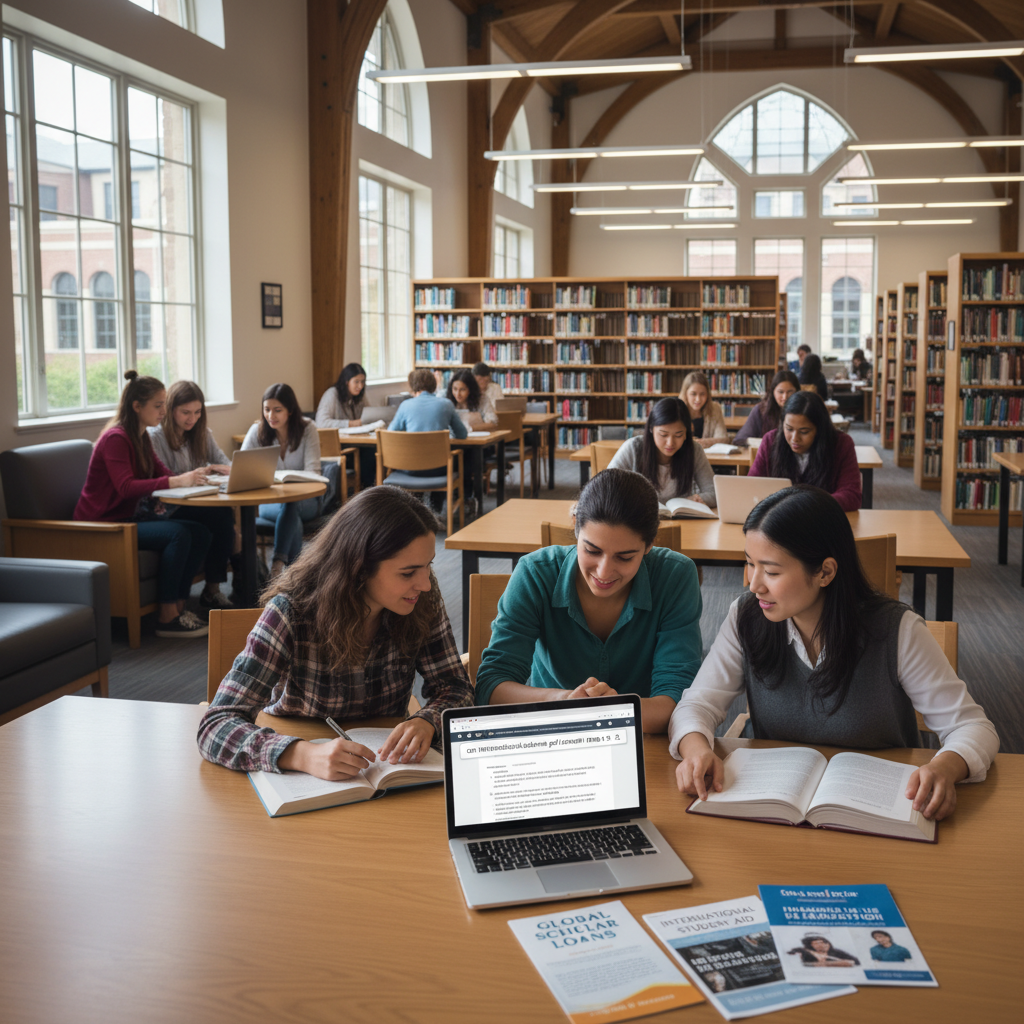
International students primarily have access to private loans, as federal loans are generally not available to them. Private lenders may offer loans specifically designed for international students, but these typically come with varying terms and conditions. It is essential for students to research various lenders to find ones that cater to their specific needs. Some reputable lenders include Prodigy Finance, MPOWER Financing, and Discover, which provide loans for international students without requiring a U.S. credit history.
However, accessing these loans can be challenging. Many private lenders require a U.S. co-signer, which can be a significant hurdle for many international students. A co-signer is someone who agrees to take on the legal responsibility of the loan, ensuring that payments will be made even if the borrower defaults. This requirement often puts international students in a difficult position, as they may not have a qualifying person in the U.S. to co-sign for them.
Eligibility Requirements for Student Loans
Most private lenders assess creditworthiness and may require a minimum credit score for loan approval. Since international students typically do not have a U.S. credit history, they may face additional scrutiny during the application process. Lenders often look for other indicators of financial responsibility, such as income or the ability to make regular payments.
Documentation such as proof of enrollment, visa status, and financial information is typically required for loan applications. Students must provide evidence of their acceptance to a U.S. institution, their current visa status, and details about their financial situation, including income and savings. This documentation serves to assure lenders that the borrower is capable of repaying the loan.
The Role of Co-signers in Securing Loans
A U.S. citizen or permanent resident co-signer can enhance an international student’s chances of loan approval significantly. This is because having a co-signer with a strong credit history can mitigate the risk that lenders perceive when dealing with international borrowers. Co-signers can be parents, relatives, or even friends who are willing to take on the financial responsibility of the loan.
However, co-signers must understand the implications of their commitment. They are responsible for repayment if the borrower defaults, which can create financial strain and a potential rift in personal relationships. Before agreeing to co-sign, it is crucial for potential co-signers to assess their own financial situation and consider the risks involved.
Alternative Funding Sources for International Students
Scholarships and grants specifically for international students can significantly reduce financial burdens. Numerous organizations, universities, and foundations offer scholarships based on academic merit, need, or specific criteria such as country of origin. For instance, the Fulbright Program provides funding for international students from various countries, while many U.S. universities offer their own scholarships aimed at attracting global talent.
Additionally, work-study programs and on-campus employment can also provide income to help cover expenses. Many universities allow international students to work part-time on campus, which can ease the financial strain of tuition and living costs. However, it is essential for students to understand the limitations of their visa status, as some visas restrict the number of hours students can work.
Tips for Navigating the Loan Application Process
Start researching lenders early and gathering necessary documentation to streamline the application process. Creating a checklist of required documents can help ensure that students are prepared when applying for loans. This proactive approach can alleviate stress and increase the likelihood of success when submitting applications.
It is also wise to consider consulting with your university’s financial aid office for guidance and resources available to international students. Many universities have dedicated offices or officers who specialize in assisting international students with financial aid and can provide valuable insights into available scholarships, grants, and loan options.
Common Challenges Faced by International Students
Language barriers and unfamiliarity with the U.S. financial system can complicate the loan application process. International students may struggle to understand complex financial terms and the intricacies of loan agreements. It is essential for students to seek resources such as workshops or informational sessions provided by their universities to enhance their understanding of financial aid.
Furthermore, understanding the terms and responsibilities of loans is crucial to avoid potential pitfalls. Students should take the time to read all loan documents carefully, ensuring they comprehend interest rates, repayment terms, and any penalties for late payments. This knowledge is vital for making informed financial decisions and managing debts responsibly.
In summary, while international students can access student loans in the USA, they face unique challenges and limitations. Exploring all available options, including alternative funding sources such as scholarships and work opportunities, is essential in ensuring a more manageable financial journey during their studies. For further assistance, reach out to your university’s financial aid office or explore reputable private lenders that cater to international students. By being proactive and informed, students can navigate the complexities of funding their education in the United States more effectively.
Frequently Asked Questions
Can international students apply for federal student loans in the USA?
No, international students are generally not eligible for federal student loans in the USA. Federal student loans are primarily reserved for U.S. citizens and eligible non-citizens. However, international students may consider private loans from banks or credit unions, which often require a U.S. cosigner who has a good credit history.
What types of student loans are available for international students in the USA?
International students in the USA can access private student loans, which are offered by various financial institutions. These loans may require a U.S. cosigner and often have different terms compared to federal loans, including higher interest rates and stricter approval criteria. Some institutions may also offer specific loan programs tailored for international students.
How can international students qualify for private student loans in the USA?
To qualify for private student loans, international students typically need a U.S. cosigner with a strong credit history, proof of enrollment in an eligible academic program, and documentation of their financial status. Students should also check the lender’s specific requirements, as they can vary widely between institutions.
Why do international students need a cosigner for student loans in the USA?
International students usually need a cosigner because they may lack a credit history in the U.S., making it difficult for lenders to assess their creditworthiness. A cosigner, typically a U.S. citizen or permanent resident, provides additional assurance to lenders that the loan will be repaid, thereby increasing the chances of loan approval for the international student.
Which lenders offer student loans for international students in the USA?
Several lenders provide student loans specifically designed for international students, including Prodigy Finance, MPOWER Financing, and some banks like Sallie Mae and Discover. It’s essential for students to compare loan terms, interest rates, and repayment options to find the best fit for their needs. Always read the fine print and understand the implications of borrowing before committing to any loan agreement.
References
- https://www.educationusa.state.gov/financial-aid/financial-aid-options-international-students
- International Student Scholarship Search
- https://www.nasfaa.org/Student_Loan_Information_for_International_Students
- Federal Student Aid
- https://www.forbes.com/advisor/student-loans/international-students-student-loans/
- https://www.washingtonpost.com/education/2021/06/08/international-students-loans/
- https://www.migrationpolicy.org/article/international-students-us-2020-2021
- https://www.collegedata.com/resources/financial-aid/international-students-and-financial-aid