

Getting a loan at 16 is generally not possible due to legal restrictions that prevent minors from entering into binding financial contracts. However, there are alternatives and options available that can help young individuals manage their financial needs or start building credit. This article explores the circumstances under which a 16-year-old might access funds and what steps can be taken to prepare for future borrowing.
Understanding Age Restrictions on Loans
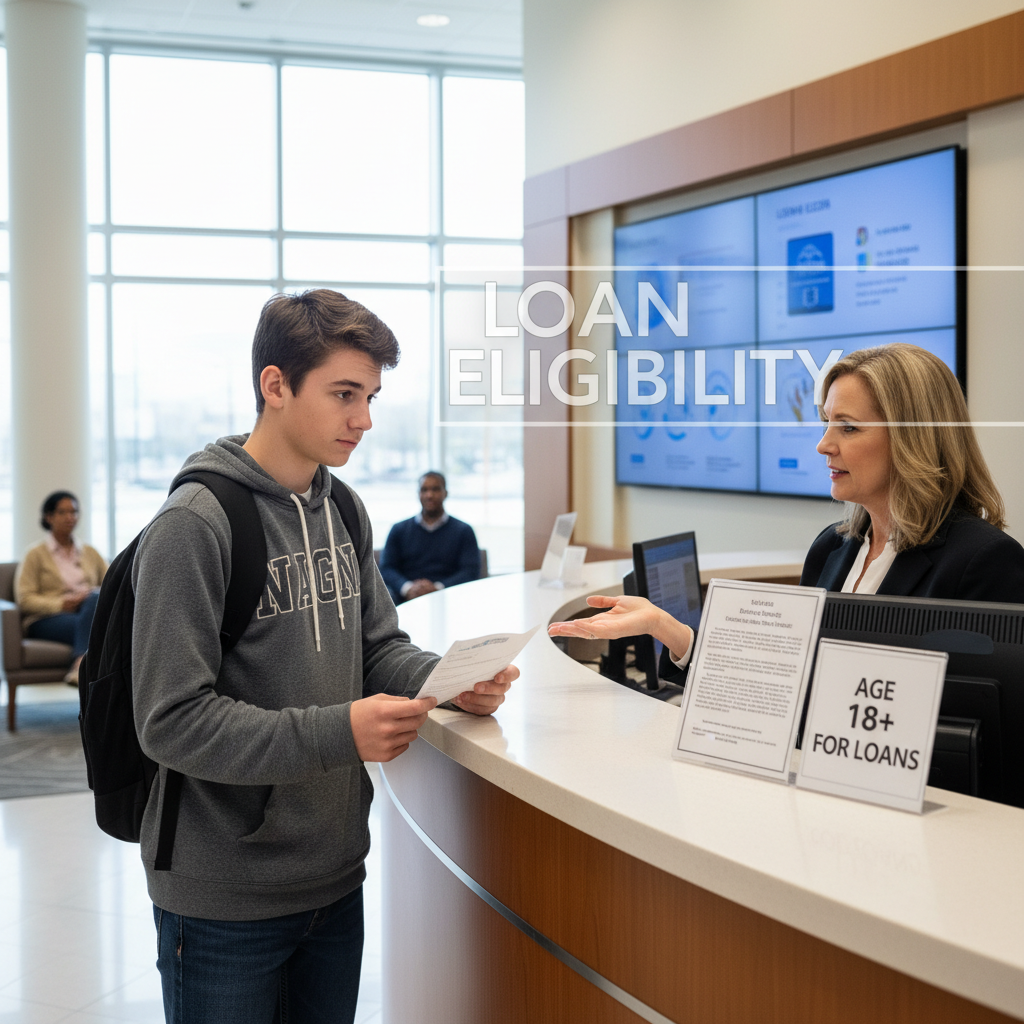
In most jurisdictions, lenders require borrowers to be at least 18 years old to take out a loan. This age threshold is primarily due to the legal framework surrounding contracts, which stipulates that minors—those under 18—cannot enter into binding legal agreements without parental consent or co-signature. This restriction is intended to protect young individuals from making uninformed financial decisions that could lead to long-term debt burdens. As a result, traditional loan options, such as personal loans or credit cards, are unavailable to most 16-year-olds.
Additionally, even if a minor were to find a lender willing to offer a loan, the enforceability of such an agreement would likely be challenged in court. This means that not only are options limited, but any potential loan would come with significant risks and complications. Understanding these legal limitations is crucial for young individuals navigating their financial landscape.
Alternatives for Young Borrowers
While obtaining a loan directly may be out of reach, there are alternative strategies young borrowers can explore. One viable option is to consider a parent or guardian as a co-signer on a loan application. By doing so, the adult assumes responsibility for the loan and can help the minor secure better terms and interest rates. This arrangement allows the young borrower to start building credit history under the watchful eye of a responsible adult.
Another alternative is to explore personal loans from family or friends. These informal loans can be more flexible in terms of repayment schedules and interest rates, and they often come without the strict requirements imposed by traditional lenders. Engaging in open discussions with trusted individuals about financial needs can lead to mutually beneficial arrangements, allowing young individuals to access funds while fostering financial responsibility.
Building Credit Early
Establishing a good credit history is essential for future borrowing, and there are ways for minors to begin this process with adult supervision. One option is to open a secured credit card, which requires the borrower to deposit funds as collateral. This type of credit card allows 16-year-olds to make small purchases and build a credit history while learning how to manage credit responsibly. Additionally, some banks offer teen checking or savings accounts that can help introduce young individuals to banking concepts and money management.
Teaching teens about credit scores, interest rates, and the implications of debt can have a lasting impact on their financial future. Parents and guardians play a crucial role in guiding their children through these lessons, ensuring they understand the importance of timely payments and responsible credit use. Establishing a solid credit foundation early can open doors to better borrowing options later in life.
Financial Education for Teens
Financial literacy is a crucial skill that young individuals need to develop as they approach adulthood. Understanding concepts such as interest rates, repayment terms, and budgeting is vital for making informed financial decisions. Various resources are available to help teens enhance their financial literacy. For instance, online platforms, workshops, and courses specifically designed for young audiences can provide valuable insights into managing money effectively.
Additionally, many schools offer financial literacy programs that cover essential topics, from budgeting to understanding loans. Parents can supplement this education by engaging in discussions about finances at home, encouraging their teens to ask questions and seek advice on managing money. By fostering an environment of open communication about financial matters, families can equip young individuals with the tools they need to navigate their financial futures successfully.
Exploring Student Loans
For those who plan to pursue higher education, understanding student loan options becomes relevant as they approach 18. While minors cannot borrow, federal student loans are available to students once they enroll in college. These loans typically have lower interest rates and more favorable repayment terms than private loans, making them an attractive option for many students.
Federal student loans come in two main categories: subsidized and unsubsidized. Subsidized loans are based on financial need, and the government covers the interest while the borrower is still in school. Unsubsidized loans, however, accrue interest from the moment they are disbursed. It’s essential for young individuals to research these options thoroughly and understand the implications of borrowing for education.
Private student loans are another option but often come with higher interest rates and less flexible repayment plans. It is advisable for students to exhaust federal loan options before considering private loans. Understanding the differences between these loan types will empower young borrowers to make informed decisions about financing their education.
Saving and Budgeting Tips
Starting to save early can significantly reduce the reliance on loans later in life. Encouraging young individuals to set aside a portion of any earnings or allowances can foster a habit of saving that will serve them well in the future. Setting specific savings goals, whether for a car, college, or personal projects, can motivate teens to prioritize their financial resources.
Additionally, developing basic budgeting skills is essential for managing small amounts of money wisely. Teens can use simple budgeting techniques, such as the 50/30/20 rule—allocating 50% of income to needs, 30% to wants, and 20% to savings. Utilizing budgeting apps or spreadsheets can also help young individuals keep track of their spending and savings, thus reinforcing responsible financial habits.
Legal and Financial Resources
For personalized financial guidance, consulting with a financial advisor or legal professional can be beneficial for both teens and their guardians. Many organizations offer resources tailored to young borrowers, providing valuable information on managing finances, understanding loans, and preparing for future financial responsibilities. Websites like the National Endowment for Financial Education (NEFE) and Jump$tart Coalition for Personal Financial Literacy are excellent starting points for exploring financial education resources.
Additionally, local community colleges or libraries often host workshops on financial literacy, which can provide teens with essential knowledge while connecting them with like-minded peers.
In summary, while getting a loan at 16 presents significant challenges due to legal restrictions, there are viable alternatives for young individuals to consider. Exploring options such as co-signers, personal loans from family, and building credit early are all essential steps. Furthermore, prioritizing financial education, saving, and understanding student loan options will prepare young borrowers for future financial opportunities. If you’re a teenager considering your options, start learning today to pave the way for responsible borrowing in the future!
Frequently Asked Questions
Can I get a loan at 16 years old?
Generally, you cannot legally enter into a loan agreement at 16, as most lenders require borrowers to be at least 18 years old. However, some options like joint accounts with a parent or guardian or specific credit-building programs might allow you to access funds indirectly. It’s essential to explore these avenues while considering the responsibilities that come with borrowing.
What types of loans are available for minors?
While traditional loans are typically not available to individuals under 18, minors may have access to student loans with a co-signer, personal loans through a parent, or secured loans using a parent’s assets. Additionally, some credit unions or community banks may offer youth accounts that include small loans for learning financial responsibility. Always consult with a parent or guardian before pursuing financial options.
How can I improve my chances of getting a loan as a minor?
To improve your chances of securing a loan as a minor, consider having a co-signer, such as a parent or guardian, who has a good credit history. Building a positive financial track record, such as saving money in a bank account or having a part-time job, can also demonstrate responsibility to lenders. Engaging with financial institutions that have programs for young people may provide additional options.
Why is it difficult to get a loan at 16?
The difficulty in obtaining a loan at 16 primarily stems from legal restrictions that prevent minors from entering binding contracts. Lenders are also wary of the financial responsibility associated with lending to individuals who may not have a steady income or credit history. This age limitation is designed to protect young individuals from potential financial hardship and ensure they fully understand the implications of taking on debt.
What should I consider before trying to get a loan at a young age?
Before attempting to secure a loan at a young age, it’s crucial to understand the responsibilities involved in borrowing money, including interest rates and repayment obligations. Consider your ability to repay the loan and whether it aligns with your financial goals. Additionally, discussing your intentions with a parent or financial advisor can provide valuable insights and help you make informed decisions about your financial future.
References
- https://www.nerdwallet.com/article/loans/teen-loans
- https://www.investopedia.com/articles/personal-finance/101615/can-you-get-loan-age-18.asp
- How do I check to see if a child has a credit report? | Consumer Financial Protection Bureau
- Financial aid and student loans | USAGov
- Client Challenge
- https://www.thebalance.com/how-to-get-a-loan-at-18-4171538